Metacritic
IGDB
Players
Loading critic reviews...
Finding live streams...
About Shatter
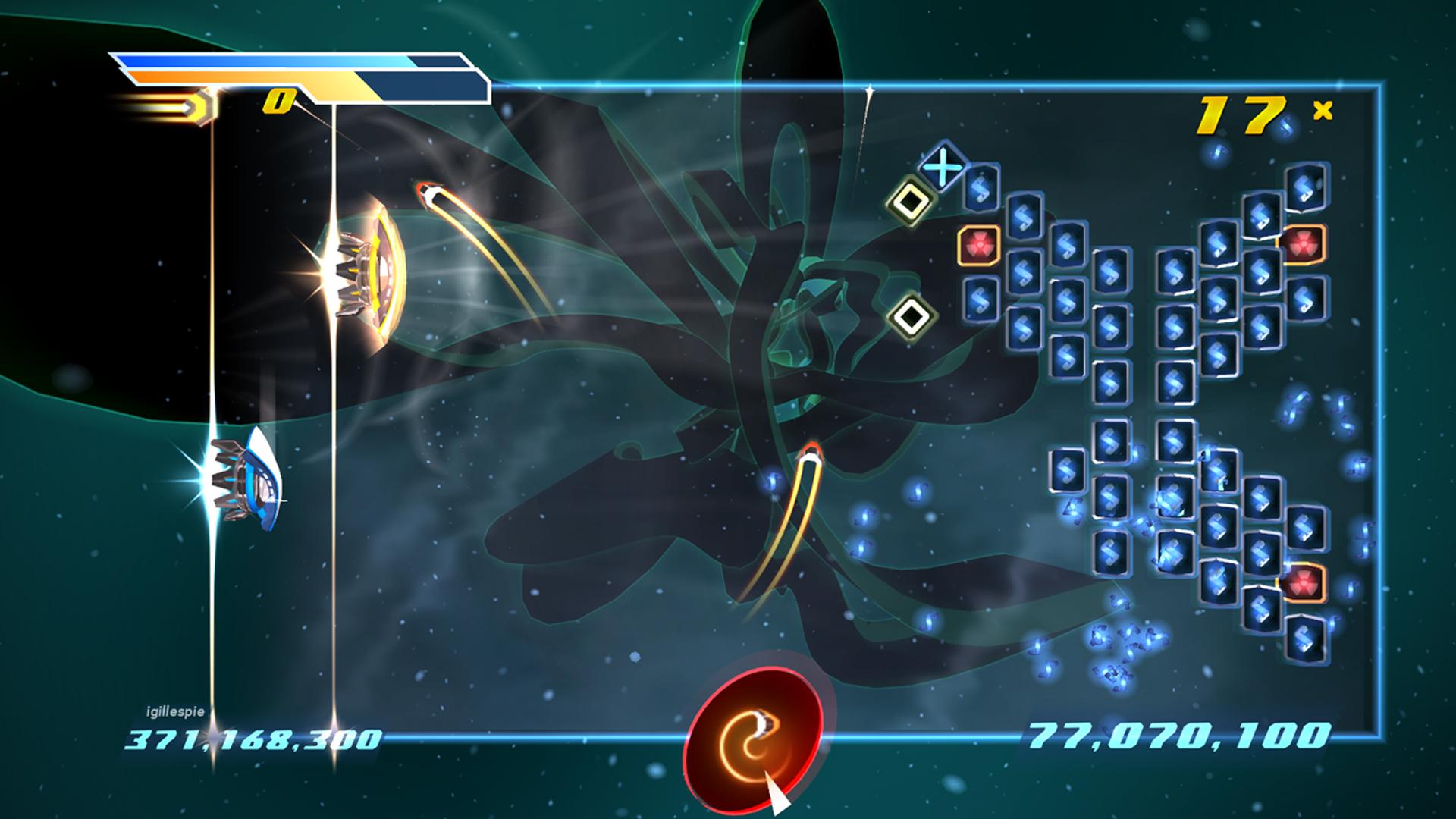
Shatter arrived on July 23, 2009 as a fresh take on the classic brick-breaker formula. Sidhe Interactive developed this title while PikPok handled publishing duties for PlayStation 3, PC, Linux, and Mac platforms. The game strips away complex narratives to focus entirely on high-speed arcade action. You control an energy paddle to bounce a ball against walls of destructible blocks. This version adds modern physics and a distinct visual style that sets it apart from older clones. It feels like a polished evolution of the genre rather than a simple remake. The developers clearly prioritized tight mechanics over story, creating a pure arcade experience that runs smoothly across multiple operating systems.
Gameplay
Sessions involve maneuvering an energy paddle along the bottom of the screen to keep a glowing ball in play. You smash through rows of bricks while collecting power-ups that alter ball speed or add extra lives. The game introduces laser attacks and special abilities that let you strike specific targets. Boss battles interrupt the standard flow with intense phases requiring precise timing. Multiplayer modes allow local co-op where two players share the screen, forcing communication to survive longer runs. Controls feel responsive, letting you adjust angles quickly as the ball speeds up. Each level demands focus because losing momentum ends the run instantly. The physics engine calculates bounces realistically, making every hit feel weighty and consequential during frantic moments.
What Players Think
Critics praised Shatter heavily, with Metacritic awarding it an 84 out of 100 score. PlayPile data shows a consistent player base that values the game's depth, averaging over twelve hours per completion run. Community reviews frequently highlight the challenge of higher difficulty settings, where failure rates spike after level thirty. Moods among active players skew toward competitive and focused, especially during multiplayer matches where teamwork is essential. Achievement hunters have unlocked nearly all available trophies, indicating strong engagement with post-game content. Users note that the learning curve is steep but fair, often citing the frustration of near-misses as a reason for repeated attempts. The community rating remains stable at four stars or higher across major platforms.
PlayPile's Take
This title works best for players who want fast-paced arcade action without narrative distractions. The price point on PC and Mac makes it an easy buy given the high replay value. You should try this if you enjoy mastering precise controls and tackling boss fights that demand pattern recognition. Shatter offers twenty distinct achievement trophies to chase after beating the main campaign. It is not a casual filler; expect to fail frequently before mastering the physics. Sidhe Interactive created something substantial here that respects the player's time. Buy it now if you have a PlayStation 3 or a PC ready for some serious brick-breaking sessions.
Game Modes
Single player, Multiplayer, Co-operative
IGDB Rating
80.8
RAWG Rating
3.2
Deals
Finding deals...
Videos
1Screenshots
5Achievements
Loading achievements...
Similar Games
Finding similar games...
Buzzing on Bluesky
Checking Bluesky...