
Metacritic
IGDB
Loading critic reviews...
Finding live streams...
About Universe Sandbox
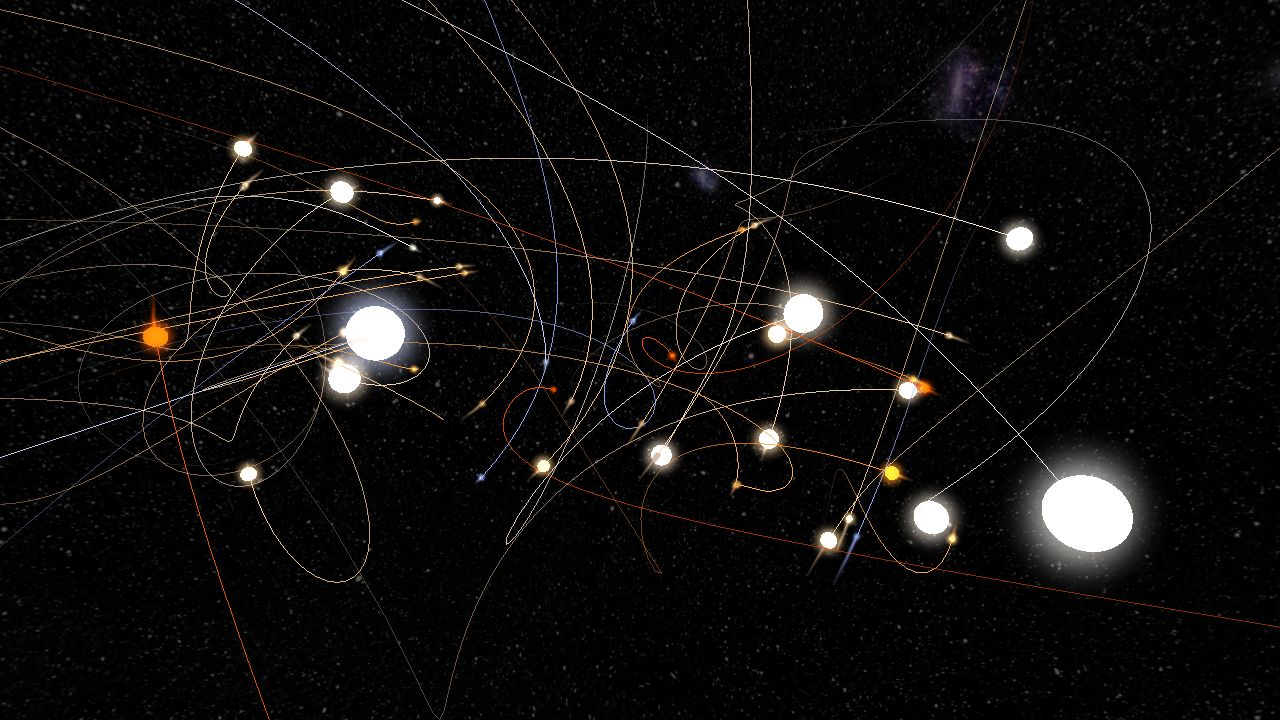
Universe Sandbox is a space simulator developed by Giant Army that launched on August 24, 2015. It runs on PC via Microsoft Windows, Linux, and Mac. This title lets you manipulate celestial bodies in real time using actual physics for gravity, climate, and collisions. You can build solar systems or smash planets together to see what happens next. The game supports VR headsets like the HTC Vive and Oculus Rift for a more direct view of the destruction. It is an indie project that focuses on simulation rather than traditional goals or narratives.
Gameplay
You start by placing stars, planets, and moons into empty space. The core loop involves tweaking mass, temperature, or velocity to see how the environment reacts. You might collide Earth with Mars or change the sun's output to watch a civilization freeze over. The interface lets you toggle layers for atmospheric data or tectonic plates while objects orbit based on real math. There is no campaign mode since it operates as a sandbox where you control every variable. VR users can walk around their created systems and witness impact craters form up close. Sessions range from quick tests of gravity to hours of rebuilding complex star clusters.
What Players Think
Critics and players have responded well with a Metacritic score of 83 out of 100. IGDB lists an average rating of 81.6 based on 31 reviews. Most users view the community vibe as competitive despite the lack of direct rivals. The achievement system contains 16 total unlocks with an average completion rate of only 25.8 percent. The rarest feat is Startup Too Many, which only 1.10 percent of players have managed to get. This low unlock percentage suggests many users prefer free experimentation over chasing specific in-game milestones. Data shows the player base values the simulation depth more than standard progression systems.
PlayPile's Take
This title costs money but delivers a robust physics engine that few other games match. It works best for people who want to break things without losing their cool. The 16 achievements are challenging enough to keep you engaged if you enjoy tracking rare stats. You will spend time tweaking parameters rather than following a script. Giant Army built something useful for education and pure curiosity here. If you have a VR headset ready, the immersion adds real value. Otherwise, the standard PC version still offers hours of destructive fun.
Game Modes
Single player
IGDB Rating
77.5
RAWG Rating
3.0
Deals
Finding deals...
Videos
2Gameplay Video
Screenshots
10Community Moods
Achievements
Loading achievements...
Similar Games
Finding similar games...
Buzzing on Bluesky
Checking Bluesky...