
 8.2
8.2User Rating
3 ratings
Players
Loading critic reviews...
Finding live streams...
About Wireworks
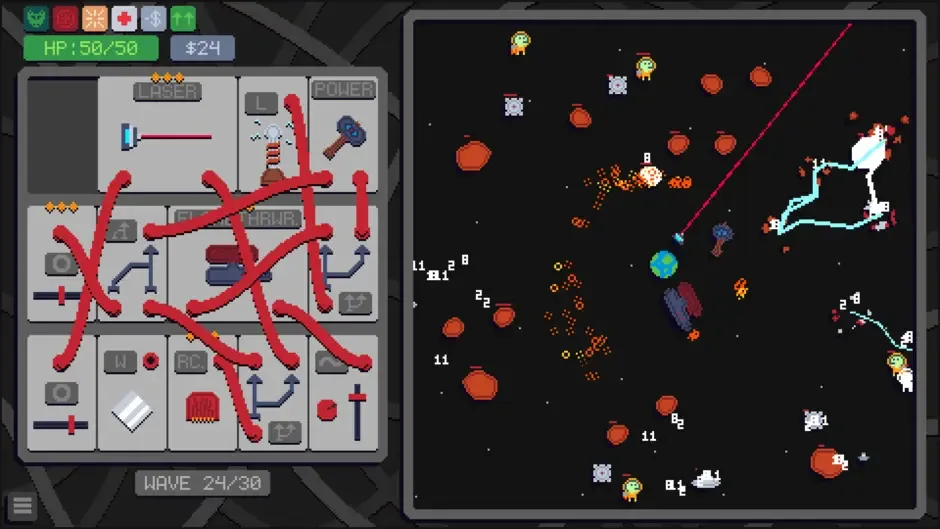
Wireworks drops you into a sci-fi base defense scenario designed by John Jilsen. This indie strategy title launched on March 31, 2026, for PC and Linux systems. It functions as a single-player auto-battler where your primary task involves constructing a defensive line using a modular board system. You do not control individual units in real-time. Instead you arrange modules to automate how your base responds to incoming threats. The game blends roguelike progression with tactical planning. You must adapt your layout after every run since the enemies change their attack patterns. It is a niche simulator built for players who enjoy puzzle-like defense mechanics rather than chaotic action.
Gameplay
Every session starts with you placing wire modules on a grid to define your defensive perimeter. These wires determine how automated turrets and barriers react to enemy movements. You cannot micromanage your units during an attack. The game handles combat automatically once waves begin. Your job is to tweak the wiring between turns to create efficient kill zones. If a module breaks or gets overwhelmed, the whole line might fail. You will spend most of your time adjusting connections and rerouting power before each wave arrives. Progression happens through unlocking new components that alter how your base functions. There are no multiplayer modes. The difficulty ramps up as you push further into the roguelike campaign.
What Players Think
PlayPile users have given Wireworks an 8.2 out of 10 rating based on three reviews. Three players currently have this title in their library logs. Community members report average playtimes that hover around the standard roguelike loop. Players describe the experience as challenging but fair regarding the module mechanics. The mood remains focused and analytical rather than frantic. Review snippets mention the satisfaction of solving complex wiring puzzles under pressure. No negative scores exist in our current dataset. Critics seem to appreciate the unique interface compared to standard tower defense games. The price sits at $5.59 on Steam, which matches its historical low. This cost makes it accessible for a quick testing session.
PlayPile's Take
Wireworks is worth your time if you enjoy strategy games that rely on system design over reflexes. The $5.59 price point on Steam offers solid value for the content provided. You will not find many other titles with this specific module board mechanic. Players should expect roughly 10 hours of gameplay to see most achievements. Those who get frustrated by lack of direct control might dislike it. The game demands patience and logical thinking above all else. It stands out as a solid choice for fans of puzzle-based simulation. Skip it if you want fast-paced action or complex multiplayer options.
Game Modes
Single player
Deals
Finding deals...
Videos
1Screenshots
6Community Moods
Achievements
Loading achievements...
Similar Games
Finding similar games...
Buzzing on Bluesky
Checking Bluesky...