Breaking Down Hogwarts Legacy's Beater Mechanics
TL;DR: For fans of Hogwarts Legacy and immersive RPG strategy, this guide highlights five must-play real-time strategy (RTS) games that blend deep mechanics with iconic worlds. Standout picks inclu...
Pedro Dias
February 23, 2026 · 7 min read
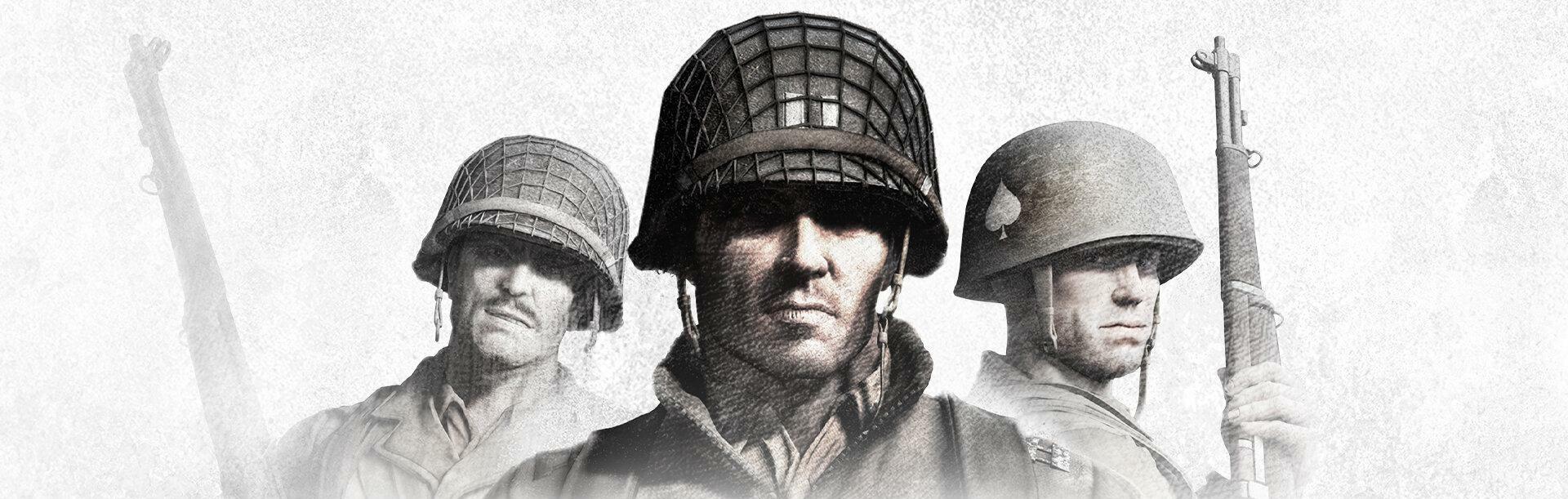
TL;DR: For fans of Hogwarts Legacy and immersive RPG strategy, this guide highlights five must-play real-time strategy (RTS) games that blend deep mechanics with iconic worlds. Standout picks include Warcraft III: Reign of Chaos for its hero-driven campaigns, Company of Heroes for WWII tactical warfare, and StarCraft for its balanced faction play. All games are backed by 90+ IGDB ratings and genre-defining legacies.
1. Warcraft III: Reign of Chaos
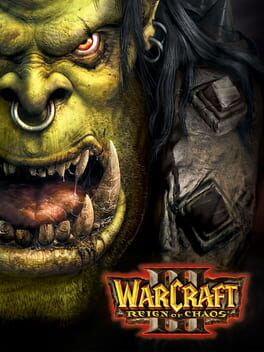
Blizzard Entertainment · Sierra Entertainment
Jul 3, 2002
Warcraft 3: Reign of Chaos is an RTS made by Blizzard Entertainment. Take control of either the Humans, the Orcs, the Night Elves or the Undead, al…
Warcraft III: Reign of Chaos remains a cornerstone of RTS design, offering a perfect blend of unit micro-management, hero progression, and narrative depth. Developed by Blizzard Entertainment, this 2002 classic lets players command one of four factions - Humans, Orcs, Night Elves, or Undead - each with distinct units and signature heroes. The game’s campaign mode, particularly the Undead storyline, is still celebrated for its cinematic storytelling and emotional beats, rivaling modern RPGs like Hogwarts Legacy in ambition. Combat requires balancing resource gathering, base expansion, and real-time tactical decisions. For example, Night Elf druids can shapeshift into bears for defense or birds for scouting, adding layers of strategic flexibility.
What sets Warcraft III apart is its modding community, which birthed spin-offs like Dota and Warcraft III: The Frozen Throne. The original game’s map editor and custom hero system laid the groundwork for today’s meta-games. If you crave a mix of lore-driven missions and high-stakes battles, this is your gateway. The IGDB score of 90.5 reflects its enduring appeal, and with mods still active, it’s arguably more relevant than ever.
2. Company of Heroes
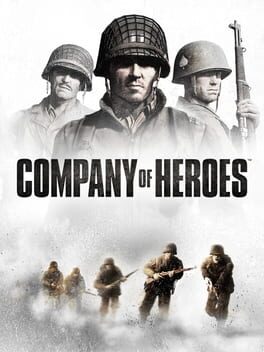
Relic Entertainment · THQ
Sep 12, 2006
Command the company that changed the face of history! Battle your way across Europe as your troops make intuitive use of the terrain and buildings …
Company of Heroes redefined WWII RTS by integrating terrain and cover mechanics into its core loop. Developed by Relic Entertainment, this 2006 title forces players to adapt to the environment - destroying buildings to create choke points or using smoke grenades to obscure enemy vision. The game’s "Morale System" adds tension: if units are flanked or outgunned, they’ll panic and flee, requiring careful positioning to avoid collapse. Unlike Hogwarts Legacy’s magic, here, every tank movement and infantry push demands precision. For instance, a single MG42 machine gunner can hold off an entire squad if placed correctly, but poor placement can lead to rapid, humiliating defeats.
What makes Company of Heroes a must-play is its historical authenticity. The game’s 1944 European setting is meticulously recreated, with unit stats based on real-world weapons and vehicles. The "Tides of War" expansion introduced co-op missions and a war bond system to fund new units, blending single-player strategy with RPG-like progression. With a Metacritic score of 93 and IGDB rating of 90.3, it’s a masterclass in military realism and strategic depth.
3. Dune II: The Building of a Dynasty
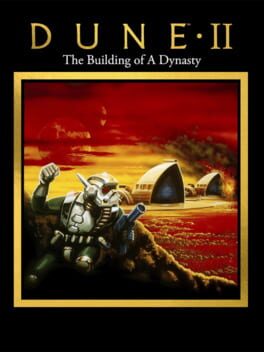
Westwood Studios · Virgin Games
Dec 1, 1992
Dune II is often considered the first mainstream modern real-time strategy game and established many conventions of the genre. Even though set in F…
Dune II: The Building of a Dynasty holds the title of the first modern RTS, released in 1992 by Westwood Studios. Set in Frank Herbert’s universe but loosely tied to his novels, the game pits players against rival factions in the desert planet of Arrakis. Resource management is key - harvesting spice to build units and fortify bases while fending off sandworms. The AI is notoriously aggressive, forcing players to prioritize defense early. Unlike later RTS games, Dune II lacks a map editor or modding support, but its simplicity is part of its charm. The game’s fog-of-war system and unit commands (like attack, defend, and hold) became standard in the genre.
For Hogwarts Legacy fans craving a gritty, resource-focused challenge, Dune II offers a raw, unpolished experience that rewards patience. While it lacks the visual polish of modern titles, the game’s influence is undeniable. The IGDB score of 90 confirms its status as a genre pioneer, and its 1990s aesthetic feels like a nostalgic trip to the roots of strategy gaming. If you enjoy Citadel: Forged with Fire or Age of Empires, give this a shot for a lesson in RTS history.
4. Warcraft II: Tides of Darkness
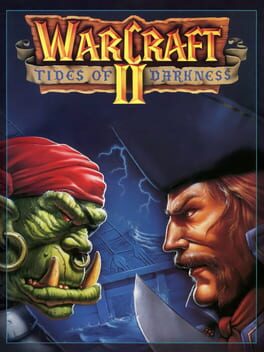
Blizzard Entertainment · Electronic Arts Victor
Dec 9, 1995
Warcraft II: Tides of Darkness is a Strategy video game published by Blizzard Entertainment released on 1995 for MS-DOS. Warcraft 2 is a successor …
Warcraft II: Tides of Darkness is the spiritual predecessor to the Warcraft III juggernaut. Blizzard Entertainment refined the base-building and unit mechanics introduced in the original Warcraft, adding a more robust campaign and improved AI. Players choose between the Humans and Orcs in a conflict over the fictional world of Azeroth. The game’s "War Chest" expansion introduced neutral heroes and a third faction, the Night Elves, expanding the strategic possibilities. One standout feature is the "Fog of War," which obscures unexplored areas until scouts are deployed - forcing players to balance aggression with reconnaissance.
What makes Warcraft II worth revisiting? Its influence on modern RTS design is profound, particularly in how it popularized the "build order" strategy. The game’s modding community also created iconic maps like Defense of the Ancients, a precursor to Dota. With an IGDB rating of 88.6, it’s a time capsule of 1995 gaming and a must for strategy purists. If you like StarCraft or Company of Heroes, this is a foundational title to experience.
5. StarCraft
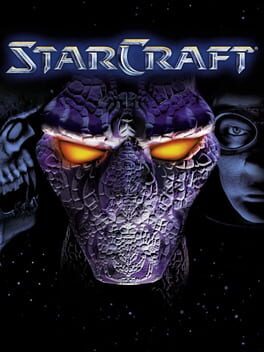
Blizzard Entertainment
Mar 31, 1998
StarCraft is a strategic game set in a Galaxy far away on multiple planets. Its style and balance between the three antagonistic species it feature…
StarCraft is the gold standard of competitive RTS, blending razor-sharp unit balance with a galactic sci-fi setting. Released in 1998 by Blizzard Entertainment, it pits three factions against each other: Terrans (mechanized marines), Zerg (hive-minded swarm), and Protoss (energy-based elites). Each faction has unique units, upgrades, and playstyles, requiring players to adapt tactics on the fly. For example, Zerg’s rapid expansion and swarming tactics clash with Protoss’ high-tech, high-health units, creating a rock-paper-scissors dynamic that still fuels esports leagues today.
What makes StarCraft a legend is its esports legacy. The game’s ladder system and professional circuits (like the Korean GSL) have driven it into a cultural phenomenon. The original game’s map editor also enabled the creation of expansions like StarCraft: Brood War, extending its lifespan for decades. With a Metacritic score of 88 and IGDB rating of 88.5, it’s proof that strategy games can be both deeply strategic and wildly popular. If you want to master real-time decision-making, StarCraft is your proving ground.
These five games offer a masterclass in strategy gameplay, from Warcraft III’s hero-driven campaigns to StarCraft’s competitive edge. Whether you’re drawn to historical realism, sci-fi battles, or genre-defining classics, there’s a title here to match your playstyle. For Hogwarts Legacy fans, these games prove that strategy isn’t just about magic - it’s about mastering the battlefield through wit, adaptability, and ruthless efficiency.