Metacritic
OpenCritic
Strong
IGDB
OpenCritic Score
Score Distribution
"Overall, Age of Empires definitely brings enough to the table and captures enough nostalgia to make it an easy recommendation for any fans of the franchise or the genre. For gamers new to RTS, the Story Mode and campaigns actually make it a very strong choice for diving in as well, as long as they aren’t expecting cutting-edge graphics. The fact that the game is going to be available on Game Pass Day One could potentially help expose a large new audience to the franchise and build up some new fans. It will be very interesting to see what kind of reception it receives and, if its successful, what sort of post-launch content could arrive in the coming year to keep the community hooked and engaged."
Finding live streams...
About Age of Empires
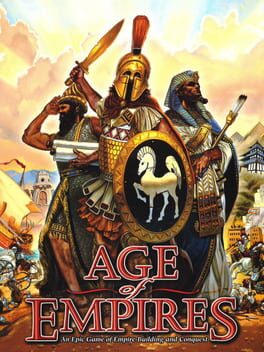
Age of Empires launched on October 15, 1997 as a history-based real-time strategy game from Ensemble Studios. You lead an ancient civilization through four distinct eras starting with Stone Age hunter-gatherers and ending in the Iron Age. The title runs on PC via Microsoft Windows and also supports Mac systems. It uses the Genie engine with 2D sprites to manage your growing empire. Players choose from twelve unique cultures, each offering different units and technologies that cannot be replicated by other factions. This setup demands careful resource management since cutting down a tree removes it permanently from your map. The game introduced a deep progression system where every age unlock brings new buildings and military options to the table.
Gameplay
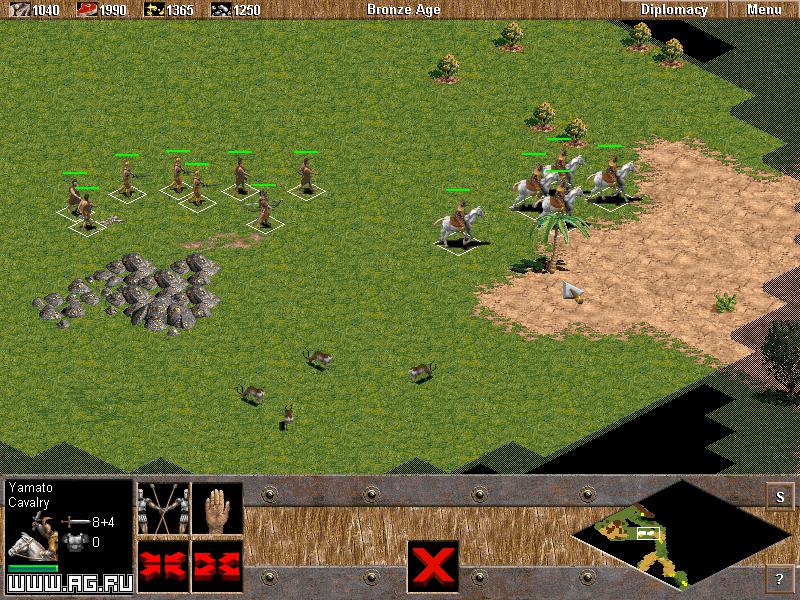
You start with a small group of villagers and must gather wood, food, and stone to survive. Your town center is the hub where you train units and research technology upgrades. Progressing through the Stone, Tool, Bronze, and Iron Ages requires significant resource investment at the Town Center. You build farms, lumber camps, and mines to sustain your economy while defending against enemy attacks. Combat involves controlling infantry, archers, and later cavalry or siege weapons depending on your chosen civilization. The game supports both single player campaigns and multiplayer matches where you outmaneuver opponents in real time. Every tree cut down is gone forever, forcing you to plan expansion routes carefully. You must balance economic growth with military production to survive longer than your rivals.
What Players Think
Critics and players have kept this title relevant since 1997. Metacritic and OpenCritic both give it an 83 score, while IGDB lists an 83.6 rating from 664 users. Eighty-one point nine one percent of critics recommend the game on OpenCritic. GamesRadar+ awarded a perfect 100, calling it a triumphant return for the series. God is a Geek gave it a 90 and noted its deep, compelling nature despite not being a total revolution. The PlayPile community tags the experience as Strategic with four votes, Mind-Bending with three votes, and Competitive with one vote. Average playtime varies wildly depending on whether you focus on campaigns or multiplayer skirmishes. Achievement completion rates suggest many players stick around for the long haul to master all twelve civilizations.
PlayPile's Take
This game is worth your time if you enjoy complex economic management and tactical combat over quick reflexes. It costs a reasonable amount on digital storefronts today. The achievement system offers plenty of milestones for those who want to explore every civilization mechanic. You will spend hours perfecting your economy while watching enemy armies march across the map. It lacks modern features like automated pathfinding but makes up for it with depth. Play this if you want a strategy game that respects your ability to plan ahead. Do not expect flashy graphics or hand-holding tutorials. The 1997 engine holds up because the core loop remains solid and unforgiving.
Storyline
Age of Empires requires the player to develop a civilization from a handful of hunter-gatherers to an expansive Iron Age empire. To ensure victory, the player must gather resources in order to pay for new units, buildings and more advanced technologies. Resources must also be preserved, as no new resources become available as the game progresses, meaning if you cut a tree down, the tree will not grow back. Twelve civilizations are available, each with individual sets of attributes, including a varying number of available technologies and units. Each civilization has technologies unique to them, so that no civilization possesses all the technologies possible within the game. A major component of the game is the advancement through four ages. These are the Stone Age (Mesolithic/Paleolithic), Tool Age (Neolithic/Chalcolithic), Bronze Age and Iron Age. Advancement between ages is researched at the Town Center and each advancement brings the player new technologies, weapons, and units.
Game Modes
Single player, Multiplayer
IGDB Rating
83.6
RAWG Rating
4.3
Deals
Finding deals...
Videos
2Trailer
Screenshots
12Community Moods
Achievements
Loading achievements...
Similar Games
Finding similar games...
Buzzing on Bluesky
Checking Bluesky...