Dark Souls
Metacritic
OpenCritic
Mighty
IGDB
OpenCritic Score
Score Distribution
"If you had issues with Dark Souls II on console then Dark Souls II PC will not fix them. If you were hoping that this would be the gorgeous next-gen Souls experience we were shown in that first video then, well, it isn't. But if you were holding out to find out just how the PC version of Dark Souls II performs then know, with full confidence, that it is far and away the superior version, and that's without the need to download any sort of fan-made patch. The cycle of death and success has never felt this good."
Finding live streams...
About Dark Souls
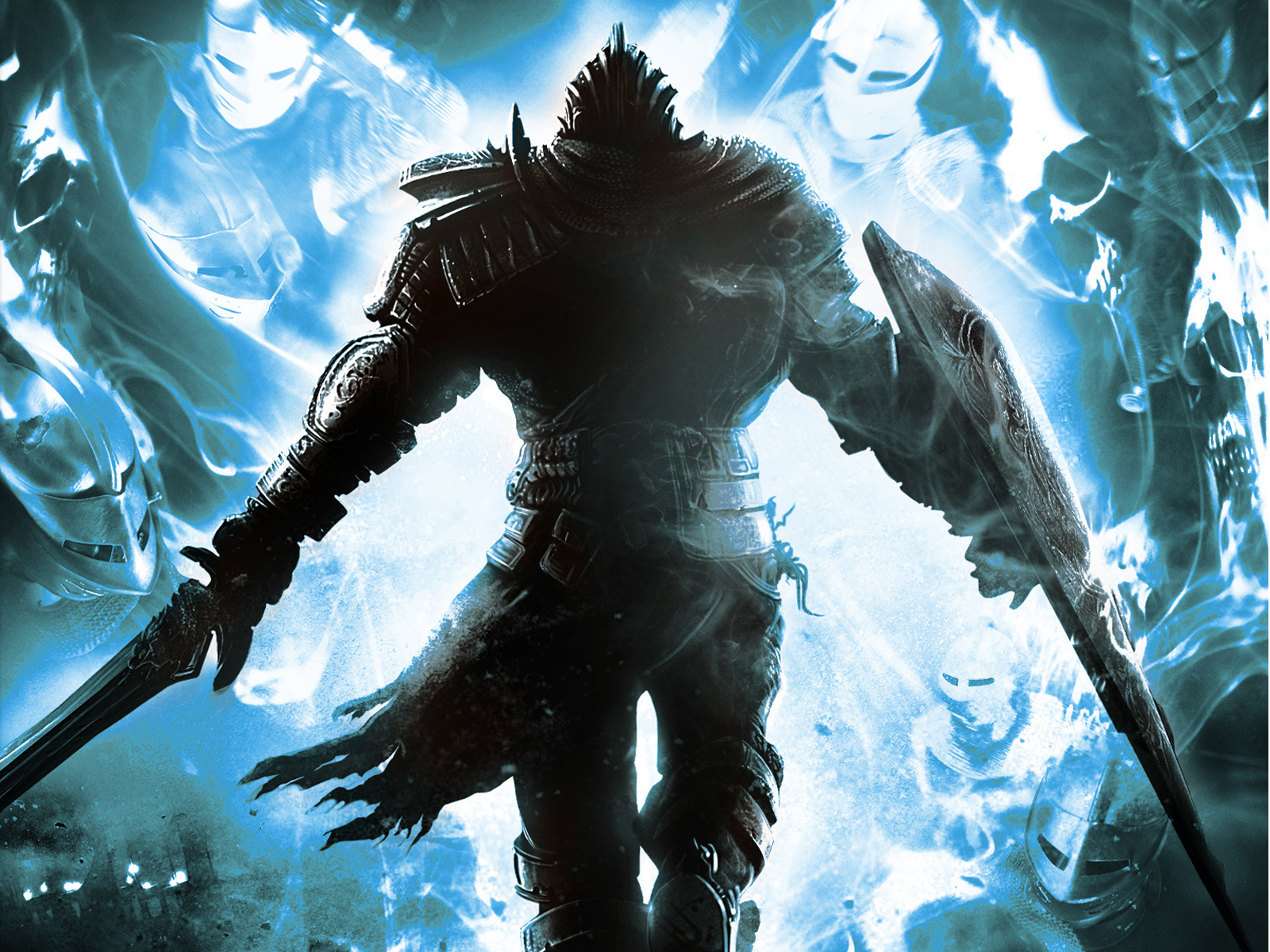
Dark Souls dropped on September 22, 2011 as a spiritual sequel to Demon's Souls. FromSoftware built this action RPG for PlayStation 3, Xbox 360, and PC. You play as the Chosen Undead in the crumbling kingdom of Lordran. The goal is simple on paper but brutal in practice. You must cross dark castles and avoidable traps while fighting relentless enemies. Your character starts weak with no hand-holding tutorial. Every step requires careful planning. This title defined a new standard for difficulty in the genre by punishing careless play without mercy. It remains one of the most influential games released during that console generation.
Gameplay
Combat feels weighty and deliberate. You manage a stamina bar that drains with every swing, block, or dodge. Running out of stamina leaves you open to lethal counterattacks. Boss fights demand memorization of attack patterns rather than quick reflexes alone. Exploration involves backtracking through interconnected areas where shortcuts unlock as you progress. You can leave messages warning others about traps or helpful tips. Multiplayer allows summoning allies for co-op or invading other worlds to kill their player characters. Death resets your position at the nearest bonfire while dropping all unspent souls. Rescuing those souls requires reaching your death spot without dying again. Sessions often end in frustration followed by a sudden breakthrough.
What Players Think
Critics loved this release immediately. Metacritic sits at 89 while OpenCritic shows 88 with 91.30% of reviewers recommending it. IGDB ratings average 88.6 based on over 1,600 scores. The community vibes lean heavily toward Atmospheric and Strategic choices according to player tags. Kotaku gave it a perfect 100 for its complicated design changes. Players report high completion rates despite the steep learning curve. Average playtime extends well past the main story due to optional areas. Review snippets highlight the punishing nature of encounters. Many users note that the lore hides in item descriptions rather than cutscenes. The difficulty creates a shared sense of triumph among those who finish the game.
PlayPile's Take
This title is for players who enjoy overcoming steep obstacles without hand-holding. You need patience to master the combat system and explore every corner of Lordran. The price point varies by platform but remains a solid investment for action RPG fans. Achievements track your progress through bosses and hidden secrets. Some critics found the PC port lacking compared to console versions. Dark Souls does not cater to casual gamers seeking easy wins. You will die hundreds of times before seeing the credits roll. Finish it only if you want to understand why this game changed the industry forever.
Storyline
Dark Souls takes place in the dark, decaying kingdom of Lordran, a world in decline where gods, humans, and other mystical beings struggle with the inevitability of age, fire, and darkness. The player assumes the role of an Undead, a cursed being who is fated to resurrect repeatedly after death. The Undead is prophesied to either link the fire and prolong the Age of Fire or let it fade, ushering in the Age of Dark. The game begins with the player imprisoned in the Northern Undead Asylum. Escaping sets the stage for a journey across Lordran, from crumbling castles and ancient ruins to twisted forests and treacherous catacombs. Along the way, the player encounters remnants of once-great heroes, malevolent creatures, and godlike beings, each guarding vital keys, souls, or knowledge necessary to progress. Central to the story are the Four Lords of Cinder: powerful beings who previously linked the First Flame and have now abandoned their thrones. They include: Gwyn, Lord of Sunlight, whose fate is intertwined with the First Flame. Nito, the First of the Dead, a skeletal lord shrouded in deathly mists. The Witch of Izalith, whose attempts to recreate the First Flame led to catastrophic consequences. Seath the Scaleless, a dragon obsessed with immortality and forbidden knowledge. As the Undead, the player collects the Lord Souls, defeats these Lords, and reaches the Kiln of the First Flame, confronting Gwyn’s remnant. The climax offers a choice: to link the fire, continuing the Age of Fire, or let it fade, allowing the Age of Dark to begin—symbolizing the cyclical struggle between light and dark, life and decay, in Lordran. The narrative is deliberately ambiguous and cryptic, conveyed mostly through environmental storytelling, item descriptions, and subtle NPC dialogue. Themes of despair, perseverance, and the cyclical nature of history permeate the journey, creating a haunting and immersive experience that rewards careful observation and exploration.
Game Modes
Single player, Multiplayer, Co-operative
IGDB Rating
88.6
RAWG Rating
4.3
Deals
Finding deals...
Videos
6All Saints' Day Trailer
Prologue : Part 3
Prologue : Part 2
Prologue : Part 1
Screenshots
10Community Moods
Achievements
Loading achievements...
Similar Games
Finding similar games...
Buzzing on Bluesky
Checking Bluesky...