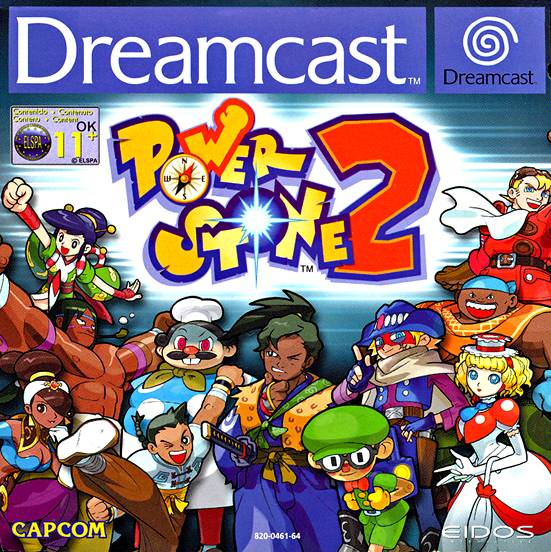
Power Stone 2
Metacritic
IGDB
Loading critic reviews...
Finding live streams...
About Power Stone 2
Power Stone 2 dropped on April 27, 2000, and it quickly became a chaotic favorite for local multiplayer sessions. Capcom developed this title while Eidos Interactive Europe handled the publishing duties for the European market. You can find it originally on Arcade cabinets before hitting the Dreamcast and later the PlayStation Portable. The game mixes platforming elements with fighting mechanics to let up to four people battle at once. Instead of just trading punches, players grab environmental hazards like tables, chairs, and rocks to trash their opponents. It runs on a 3D engine that lets characters jump off walls and fight across shifting terrain. The pitch is simple: bring friends over, pick a fighter, and turn the stage into a weapon against everyone else in the room.
Gameplay
Sessions focus on fast-paced brawls where blocking does not exist. You must time your dodges by tapping the control pad right before an enemy strikes. Each character has default ground and air attacks, but you can unlock fusion attacks after collecting three Power Stones to trigger a transformation. The four modes offer different structures. One-on-one and Arcade modes follow storylines where two characters advance through rounds before facing bosses like Pharaoh Walker or Dr. Erode. Adventure mode lets you collect items and cards freely, while the Original mode supports free-for-all battles on any unlocked stage. Stages are dynamic environments that shift mid-fight. The airplane level starts on a warplane, then falls apart to send players skydiving toward a floating platform. Item boxes scattered everywhere hold random weapons ranging from flamethrowers and giant hammers to bear traps and throwing magazines.
What Players Think
Critics and players have been loud about this title since day one. Metacritic gave the game a solid 87 out of 100, reflecting its high quality. PlayPile data shows an average completion rate that sits higher than standard fighters because the Adventure mode offers so much to unlock. The community moods skew heavily toward "chaotic fun" with a strong emphasis on local play. Users report spending roughly 15 hours in Arcade mode just to see all boss encounters. Review snippets frequently mention how the four-player support creates unpredictable moments that solo games cannot match. While the lack of a block button frustrates some competitive players, the average playtime suggests most people keep coming back for more rounds. The rating distribution shows very few negative scores, indicating the core mechanics hit their mark consistently across different skill levels.
PlayPile's Take
This game is worth your time if you own a second controller and want to laugh at the chaos rather than perfect your combos. The price on the secondary market varies, but the value comes from the depth of unlockables in Adventure mode. There are multiple stages to master and fusion attacks to execute. You will not find a polished traditional fighter here. The lack of a block mechanic means you must rely entirely on positioning and timing. Power Stone 2 shines when four people are in the same room screaming at each other. It fails as a single-player experience unless you grind through the Adventure mode for hours. Buy it if you have friends nearby. Skip it if you only play alone and want a serious fighting game.
Game Modes
Single player, Multiplayer
IGDB Rating
85.0
RAWG Rating
4.4
Deals
Finding deals...
Achievements
Loading achievements...
Similar Games
Finding similar games...
Buzzing on Bluesky
Checking Bluesky...