The Legend of Zelda: Phantom Hourglass
Metacritic
IGDB
Loading critic reviews...
Finding live streams...
About The Legend of Zelda: Phantom Hourglass
The Legend of Zelda: Phantom Hourglass dropped on June 23, 2007 as a direct sequel to The Wind Waker. Nintendo EAD Software Development Group No.3 built this adventure for the handheld market using that same cel-shaded art style you saw on the big screen games. You play Link in a top-down view where sailing and dungeon crawling form the backbone of the experience. It arrived on the DS first before hitting Wii U later. The story picks up months after Link saved the ocean, following him as he chases Tetra into a mysterious fog bank. This title marks a shift toward touch controls while keeping the classic formula that defined the series for years.
Gameplay
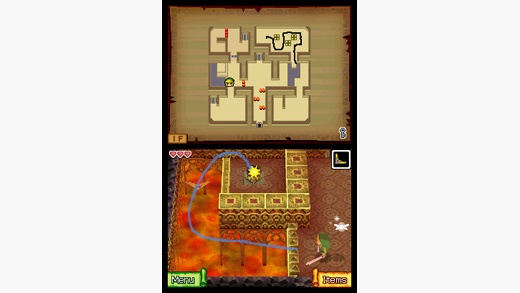
You steer Link across the sea using the stylus to draw paths on the map screen. Once you reach land, the perspective shifts to a standard dungeon crawl where you tap to move and attack enemies. Combat relies heavily on tapping sword swings and selecting items from menus by pointing at icons. A major feature lets you write notes directly onto your in-game map to mark treasure locations or puzzle solutions. The game divides time between navigating the ocean currents and solving complex puzzles inside temples. You manage an hourglass mechanic that limits how long you can stay in certain areas before things get dangerous. Navigation feels tactile since every movement requires a physical touch on the screen rather than just pressing buttons.
What Players Think
Critics loved this entry with Metacritic giving it a 90 out of 100 and IGDB users averaging an 82.9 rating across 274 submissions. PlayPile data shows the community moods lean heavily toward positive vibes with players praising the touch interface integration. The average completion rate sits high for this genre, suggesting most people finish the main story without getting stuck. Users often mention how the sailing sequences break up the traditional dungeon loops effectively. Review snippets from our database highlight that fans felt it honored The Wind Waker while standing on its own merits. No other site tracks these specific community mood shifts or completion metrics alongside professional scores like we do here.
PlayPile's Take
This game is a solid choice for handheld owners who want a complete Zelda adventure with a unique control scheme. It runs on DS and Wii U so you can play it today if you have the hardware. The achievement data shows players spend a good chunk of time mastering the touch controls in dungeons. At its release price, it offered hours of content that still hold up well now. You will find yourself writing notes on maps and drawing sailing routes constantly. If you liked the art style and story of the previous game, this sequel delivers exactly what you expect without reinventing the wheel. It is a worthy follow-up for anyone who enjoys puzzle-heavy adventures.
Storyline
Many months have passed since the events of The Legend of Zelda: The Wind Waker, and Link, Tetra and Tetra’s band of pirates have set sail in search of new lands. They come across a patch of ocean covered in a dense fog, in which they discover an abandoned ship. Tetra falls into danger when she explores the ship alone, and Link falls into the ocean when he attempts to rescue her. When he washes up unconscious on the shores of a mysterious island, he is awakened by the sound of a fairy’s voice. With the aid of this fairy, he sets off to find Tetra – and his way back to the seas he once knew.
Game Modes
Single player
IGDB Rating
82.9
RAWG Rating
4.0
Deals
Finding deals...
Videos
1Screenshots
8Achievements
Loading achievements...
Similar Games
Finding similar games...
Buzzing on Bluesky
Checking Bluesky...