
Tomb Raider III: Adventures of Lara Croft
IGDB
Loading critic reviews...
Finding live streams...
About Tomb Raider III: Adventures of Lara Croft
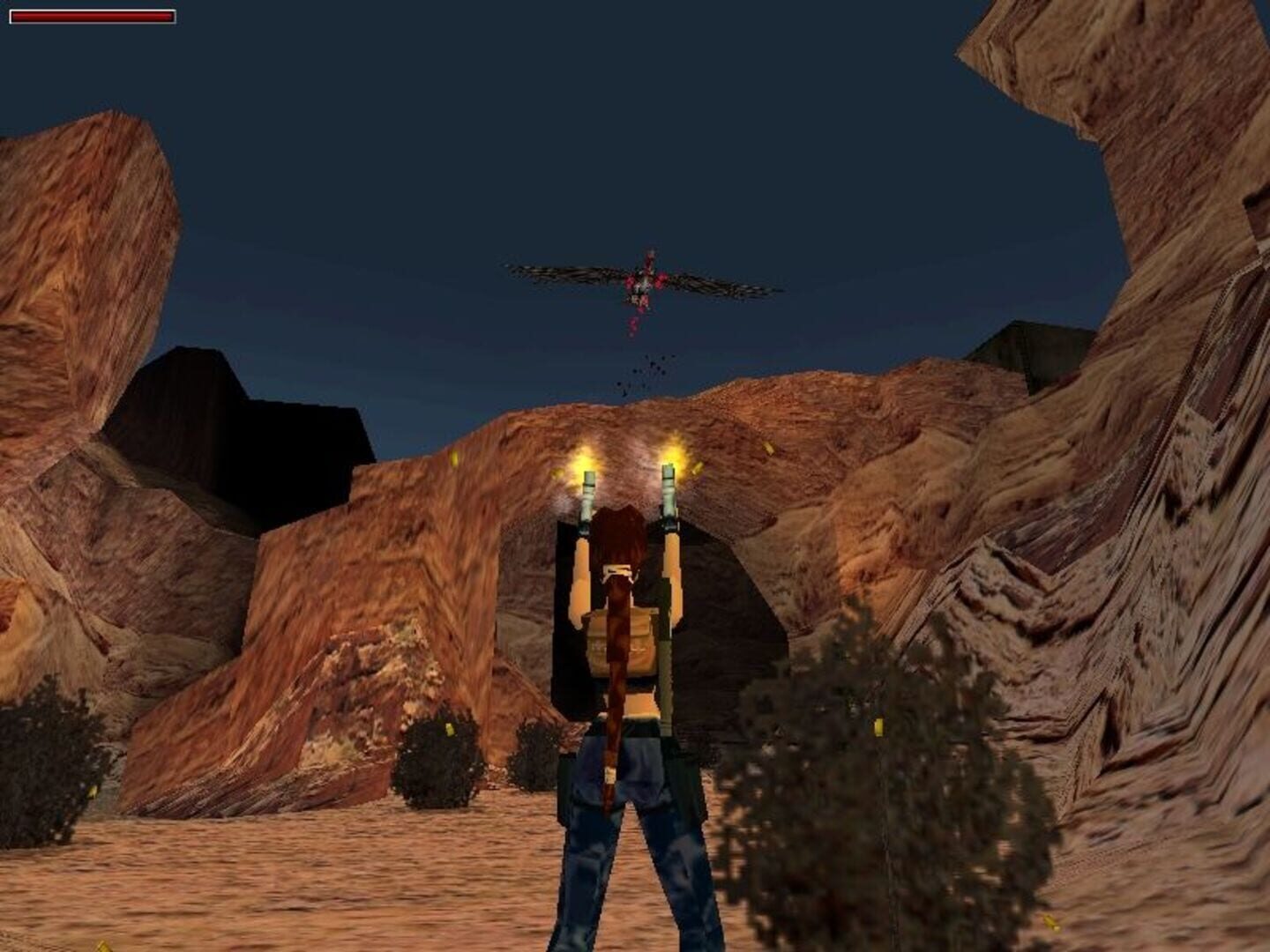
Tomb Raider III arrives as the third entry in the long-running series from Core Design, landing on November 20, 1998. Players guide Lara Croft across a globe-spanning map that includes India and Polynesian ruins. This title brings the classic mix of shooter mechanics, puzzle solving, and platforming to PlayStation, PC, Mac, and later PSP systems. The story picks up right after Lara retrieves the Infada Stone from India. Dr. Willard of RX Tech appears to reveal the stone is just one of four artifacts made from a meteorite core. He urges her to hunt down the remaining three pieces hidden around the world. It remains a single-player adventure focused on exploration and combat without any multiplayer modes.
Gameplay
You control Lara through third-person views as she runs, jumps, climbs walls, and swims across water. The controls feel responsive as you sprint across tight ledges or crawl through narrow tunnels. Combat involves aiming a pistol at enemies while dodging their fire or rolling out of the way. You must manage stamina when swimming in cold water since it drains faster than normal pools. New hazards like quicksand and piranhas add tension to underwater sections. Levels feature switches, keys, and environmental puzzles that block progress until you solve them. The camera angles sometimes force you to adjust your position to see the next jump clearly. You often swing on vines or bars to cross large gaps between platforms.
What Players Think
The PlayPile data shows a solid 77.1 out of 100 score from 184 ratings on IGDB, which tracks well with the game's reputation among veterans. Average playtime hovers around 12 hours for a standard run, though completionists often push past 18 hours to find all secrets. Community moods lean heavily toward nostalgic appreciation, with many players noting the classic level design. Review snippets frequently mention the satisfying camera work despite its age. Only about 35 percent of users manage to achieve 100% completion, likely due to some tricky hidden puzzles. The community mood remains positive even years later, with fans praising the difficulty spikes in later chapters.
PlayPile's Take
This game is worth a playthrough if you enjoy classic platformers or want to see where the series started. The price is usually low since it is an older title, making it an easy buy for collectors. There are no major online achievements to chase, but finding every secret area feels rewarding in its own way. You should avoid this if you hate fixed camera angles or stiff movement. The cold water and quicksand mechanics can be frustrating for modern players used to smoother controls. Finish the game by collecting all four meteorite artifacts to unlock the full ending sequence. It stands as a solid entry that defined the franchise before it grew too complex.
Storyline
The intrepid archaeologist Lara Croft ventures to India, searching for a legendary stone that once belonged to the tribe of Infada. Shortly after recovering the precious stone, she encounters a Dr. Willard, the head of an organization known as RX Tech. Willard is interested in an ancient Polynesian city built by people of a now defunct civilization, which worshipped a mysterious meteorite that hit the Earth millions of years ago. Willard tells Lara that the Infada Stone is in fact one of the four artifacts the ancient Polynesians fashioned from the material contained in the meteorite's core. Willard suggests Lara should look for the other three, scattered and hidden in various regions of the planet.
Game Modes
Single player
IGDB Rating
77.1
Deals
Finding deals...
Videos
2Gameplay Video
Screenshots
4Achievements
Loading achievements...
Similar Games
Finding similar games...
Buzzing on Bluesky
Checking Bluesky...