17-BIT
17-BIT is an indie video game developer based in Seattle, Washington. The company was founded in 2009 by Jake Kazdal, formerly a Sega Japan developer, who wants to make games with a 16-bit era aesthetic.
17-BIT at a Glance
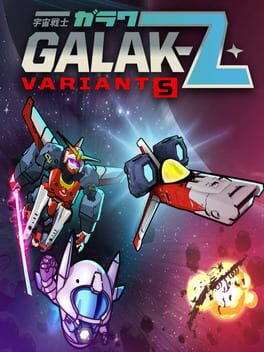
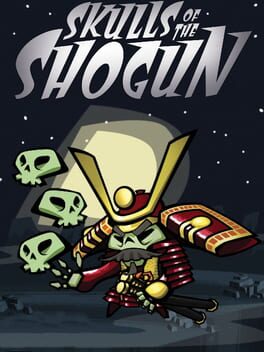
You are likely looking at 17-BIT if you have seen their work on PC or PlayStation 4. This Seattle-based studio was founded in 2009 by Jake Kazdal, a former Sega Japan developer who aimed to create games with a 16-bit era aesthetic. Their catalog on PlayPile includes ten titles where they acted as either publisher or developer, though the data suggests a long history that actually spans from 1991 to 2023. Most of their activity occurred in the 2010s with six games released during that decade, while only one title appeared in the 1990s and two arrived in the 2020s. This output is relatively small compared to larger industry players. Their genre focus leans heavily toward Indie and Strategy games, with seven projects falling into the first category and five into the second. They have also ventured into Shooters, Simulators, Adventures, Arcades, Role-playing, Turn-based strategy, and Fighting genres. Platform availability shows a strong preference for PC Microsoft Windows with five releases, followed by PlayStation 4 with four. Linux and Mac each host three titles, while Android, iOS, Nintendo Switch, Xbox 360, Ouya, and PlayStation Vita have fewer options ranging from one to two games each. Quality trends are mixed when you look at the average IGDB rating of 67.8 across their rated titles. The breakdown shows one great game, one good title, and one that rates as mixed. Their highest-rated work is Galak-Z: The Dimensional from 2015, which scored 80.6 out of 100. Skulls of the Shogun from 2013 followed with a solid 72.8 score. In contrast, their later entries saw a drop in performance. Galak-Z: Variant S released in 2018 received a 50 out of 100 rating. Recent releases include Song in the Smoke and its Rekindled version from 2021 and 2023 respectively. The decline in scores for later games suggests their output may have become less consistent over time despite maintaining their retro visual style.
Genre Breakdown
Platform Spread
Release Timeline
Rating Distribution
Highest Rated Titles

Song in the Smoke: Rekindled
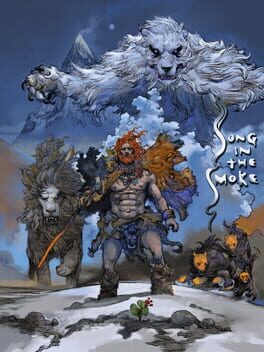
Song in the Smoke
 5.0
5.0Galak-Z: Variant S

Galak-Z: Varient Mobile

Galak-Z: The Void
 8.1
8.1Galak-Z: The Dimensional
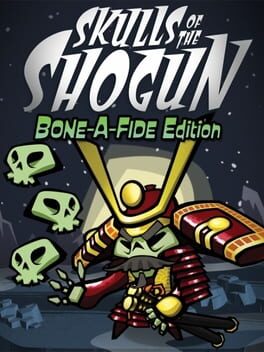
Skulls of the Shogun: Bone-A-Fide Edition
 7.3
7.3Skulls of the Shogun
Full Contact