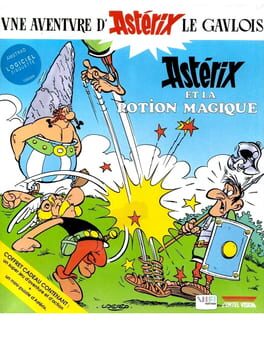
Coktel Vision
Coktel Vision is a French game developer that created adventure, action and educational games, many of which were published in Europe by Tomahawk, a subsidiary.
Coktel Vision at a Glance
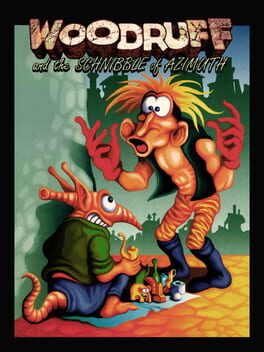
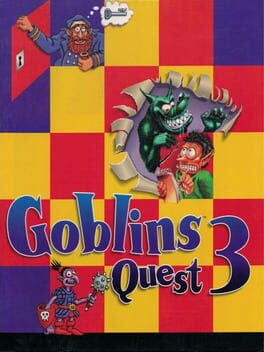
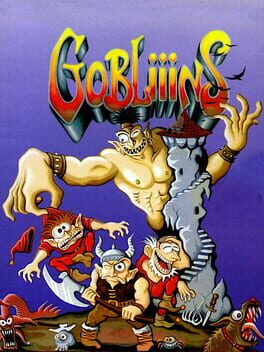
Coktel Vision was a French studio active from 1986 to 2006 with a catalog of 47 games listed on PlayPile. They operated as both a developer and publisher, creating 42 titles themselves while publishing 18 others. Their work spans three decades, starting in the 1980s with 15 games, peaking slightly in the 1990s with 18 releases, and finishing the decade with 14 games in the 2000s. The company focused heavily on the adventure genre, producing 24 titles, followed closely by point-and-click games at 22. They also made seven puzzle games, five arcade titles, and smaller numbers of platformers, racers, simulators, shooters, strategy games, and RPGs. Their output reached many platforms, with strong presence on PC, the Amiga, DOS, and Atari ST/STE systems. They released 22 games for PC and 22 for the Amiga, alongside 21 versions for DOS and 19 for Atari ST/STE. Later in their history, they expanded to Mac, iOS, PlayStation, and PlayStation 2, though those numbers remain small compared to their earlier work. The studio also released educational titles under the Adibou brand toward the end of their run, such as Adibou Anglais and Adibou Nature et Sciences in late 2006. Quality varies across their catalog based on the available data. They have four rated titles with an average IGDB score of 77.1 out of 100. Their highest-rated work includes Gobliins 2: The Prince Buffoon from 1992, which holds a score of 80.2. Other well-received games include Gobliiins (79.2), The Bizarre Adventures of Woodruff and the Schnibble (78.3), and Goblins Quest 3 (70.9). This breakdown shows one great title and three good ones, with no mixed or poor scores among the rated entries. However, their later educational games from 2005 and 2006 did not receive ratings in this dataset. Coktel Vision produced a steady stream of adventure games over twenty years, though their output slowed significantly after the mid-1990s before ceasing entirely by 2006.
Genre Breakdown
Platform Spread
Release Timeline
Rating Distribution
Highest Rated Titles
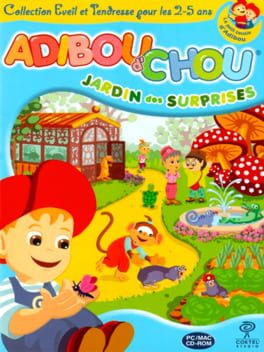
Adibou d'chou: Jardin des surprises
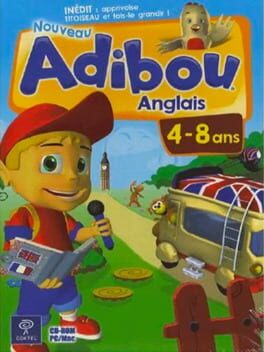
Adibou Anglais
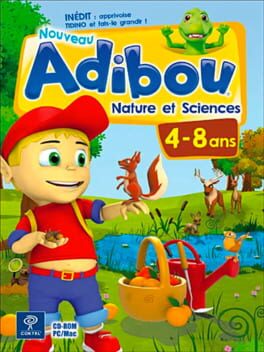
Adibou Nature et Sciences
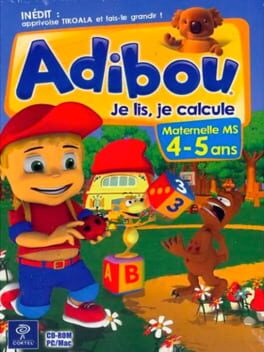
Adibou: Je lis, je calcule 4-5 ans
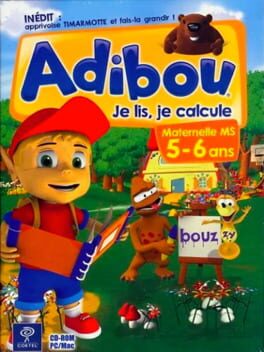
Adibou: Je lis, je calcule 5-6 ans
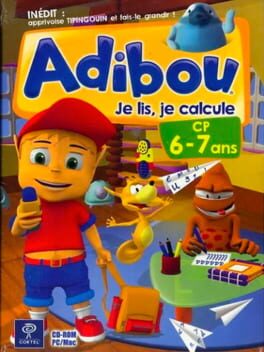
Adibou: Je lis, je calcule 6-7 ans
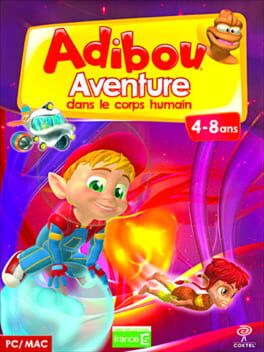
Adibou: Aventure dans le corps humain
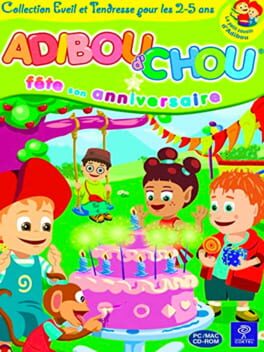
Adibou d'chou fête son anniversaire
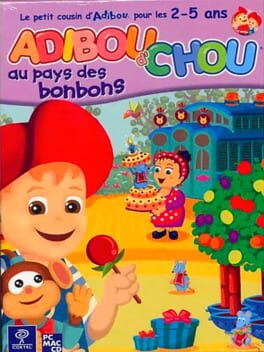
Adibou d'chou au Pays des Bonbons
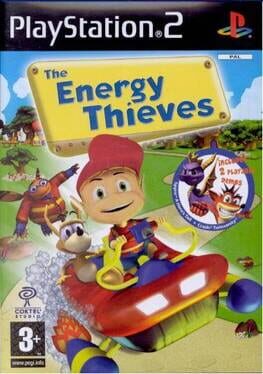
Adiboo and the Energy Thieves
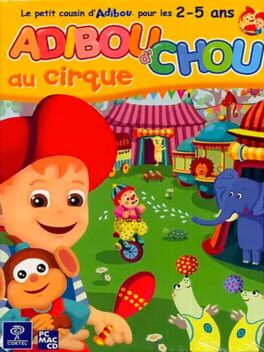
Adibou d'chou au cirque
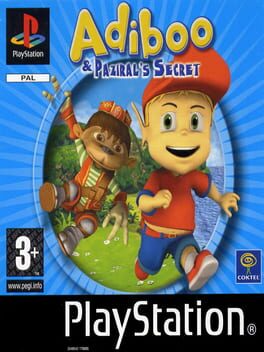
Adiboo & Paziral's Secret
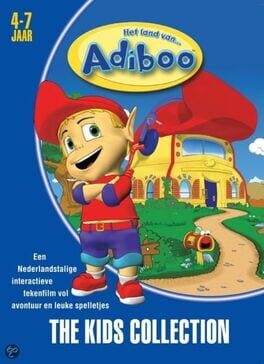
Le pays d'Adibou
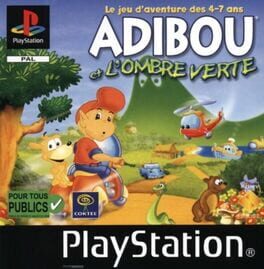
Adiboo and the Green Shadow
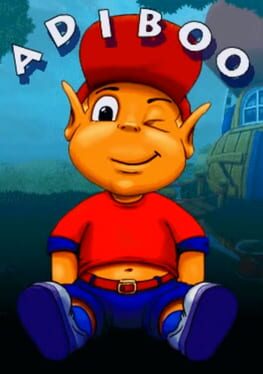
Adiboo: Magical Playland

Urban Runner
 7.8
7.8The Bizarre Adventures of Woodruff and the Schnibble
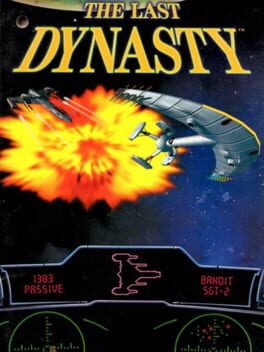
The Last Dynasty
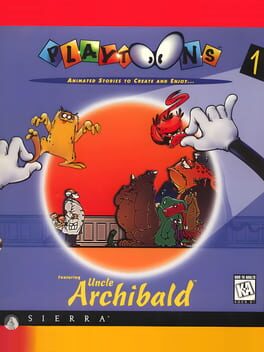
Playtoons Featuring Uncle Archibald
 7.1
7.1Goblins Quest 3
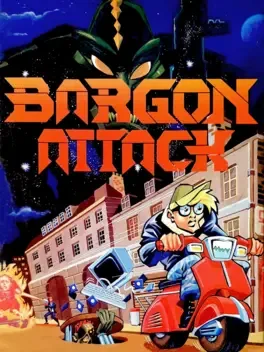
Bargon Attack
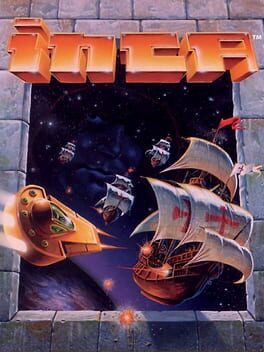
Inca
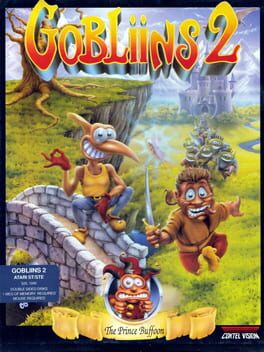 8.0
8.0Gobliins 2: The Prince Buffoon
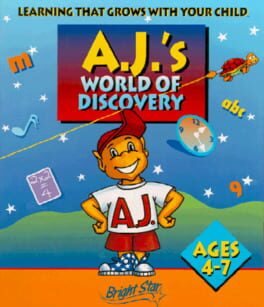
A.J.'s World of Discovery
 7.9
7.9Gobliiins

Fascination
A.G.E.
Once Upon a Time: Abracadabra
Once Upon a Time: Baba Yaga
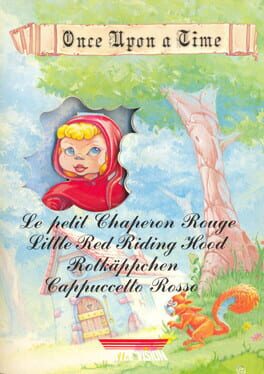
Once Upon A Time: Little Red Riding Hood
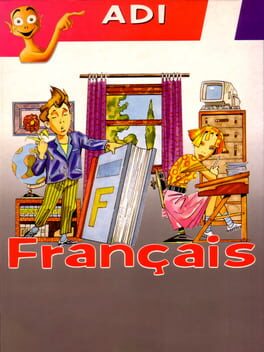
ADI French: 13/14 Years
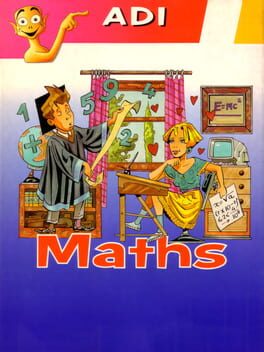
ADI Maths: 12/13 Years
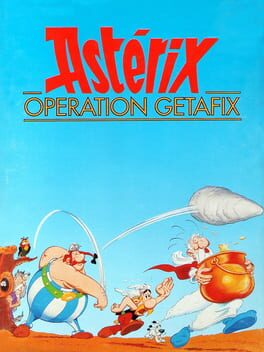
Astérix: Operation Getafix

Emmanuelle
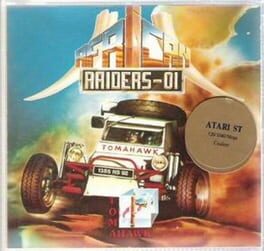
African Raiders-01
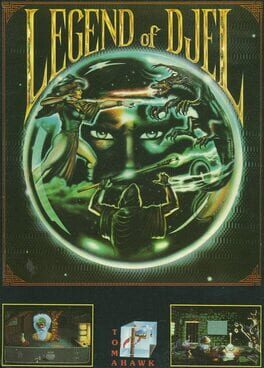
Legend of Djel
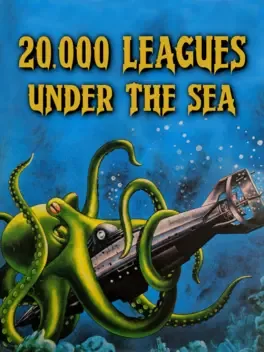
20,000 Leagues Under the Sea
Peter Pan

Indian Mission
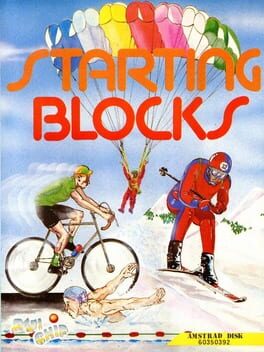
Starting Blocks

Freedom: Rebels in the Darkness
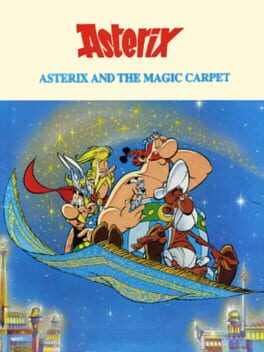
Asterix and the Magic Carpet

Dakar Moto
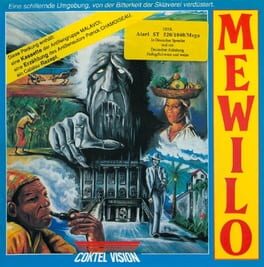
Méwilo
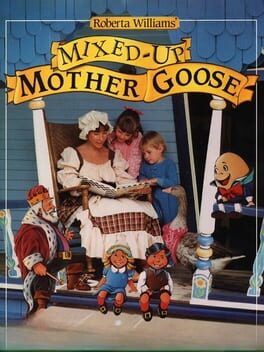
Mixed-Up Mother Goose
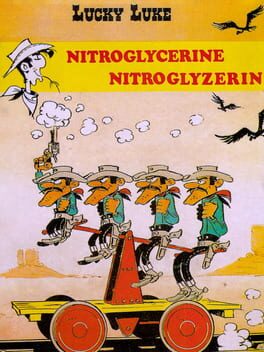
Lucky Luke: Nitroglycerine