Digerati Distribution
We take away the headache of distribution letting you focus on what you love to do make games
Digerati Distribution at a Glance
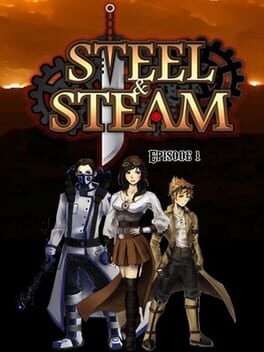
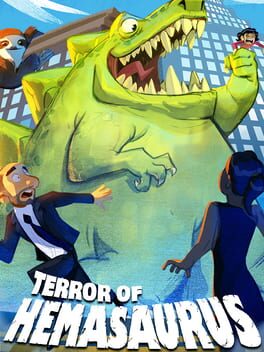
Digerati Distribution operates as a publisher based in the United States, founded in 2013 and active from 2012 through 2022. They have released 61 titles under their name while maintaining zero developer credits on PlayPile. Their catalog leans heavily toward indie games, with 41 releases falling into that category. They also cover adventure, platformer, role-playing, arcade, shooter, puzzle, and strategy genres, though fighting games and visual novels represent a tiny fraction of their output. The company distributes across many platforms but shows a clear preference for Nintendo Switch with 52 titles, followed closely by PC with 48 releases. They also support Xbox One, PlayStation 4, Mac, Linux, PlayStation Vita, and newer hardware like Xbox Series X|S, iOS, and Android. The overall quality of their portfolio sits in the middle range. Across 42 rated titles, they hold an average IGDB score of 66.7 out of 100. Their rating breakdown shows a spread rather than a concentrated peak of excellence or failure. They have six great games that scored above 80, but 27 good titles fall between 60 and 79. There are eight mixed-rated games scoring between 40 and 59, plus one poor title under 40. Their highest-rated releases include Underhero from 2018 with a score of 83.9. Other top performers from their earlier years include Don't Die, Mr. Robot! (2014), Steel & Steam: Episode 1 (2014), Straimium Immortaly (2016), and XenoRaptor (2019), all scoring 80 or higher. Their output shifted slightly over time, with 40 games appearing in the 2010s and 21 games in the 2020s. Recent releases from late 2021 to late 2022 include Terror of Hemasaurus, The Outbound Ghost, Overloop, A Musical Story, and Tunnel of Doom. Most of these recent entries scored between 70 and 71, which fits their general pattern of delivering solid but not exceptional scores. Their bio states they aim to remove the headache of distribution so creators can focus on making games. They do not seem to have a specific formula for hits, as their top rated games span several different years and genres without a single dominant trend.
Genre Breakdown
Platform Spread
Release Timeline
Rating Distribution
Highest Rated Titles

 7.1
7.1Terror of Hemasaurus
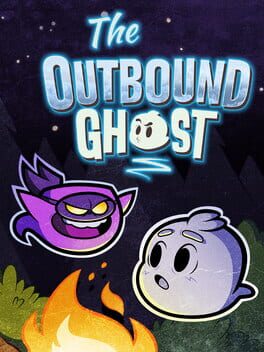
The Outbound Ghost
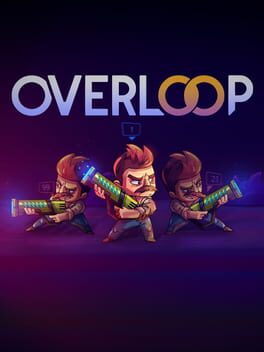
Overloop
 7.0
7.0A Musical Story
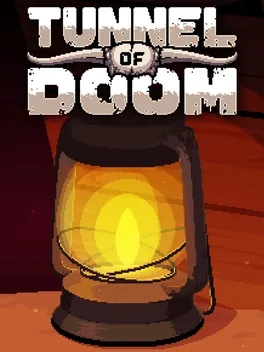
Tunnel of Doom
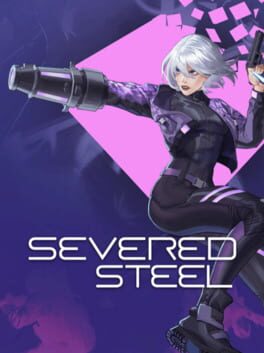 7.5
7.5Severed Steel
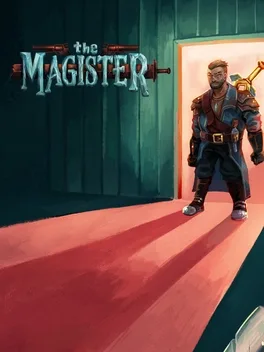
The Magister
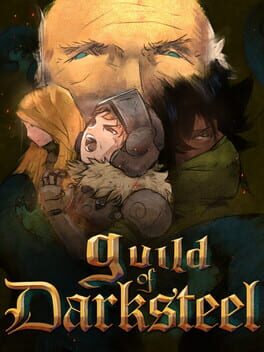
Guild of Darksteel
Nongunz: Doppelganger Edition

Rangok Skies

Digerati Presents: Make It Quick Bundle Vol. 1
Anti Hero Bundle

The Pew Pew Bundle Vol. 1

Digerati Presents: The Dungeon Crawl Vol. 1

Couch Co-Op Bundle Vol. 2
Blood and Guts Bundle
Glass Masquerade Double Pack

Skelly Selest & Straimium Immortaly Double Pack
Horror Bundle Vol. 1
Indie Darling Bundle Vol 2
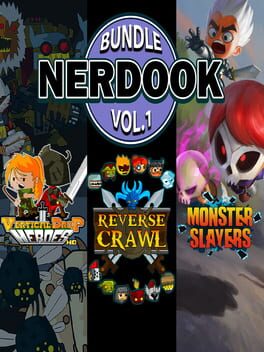
Nerdook Bundle Vol. 1
 8.0
8.0XenoRaptor
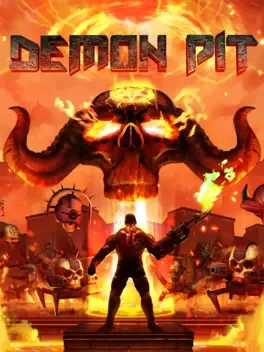 6.0
6.0Demon Pit
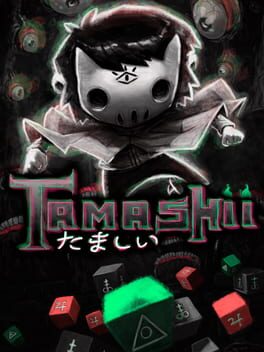 7.0
7.0Tamashii
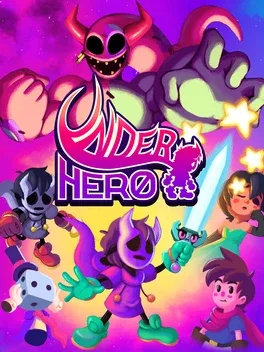 8.4
8.4Underhero
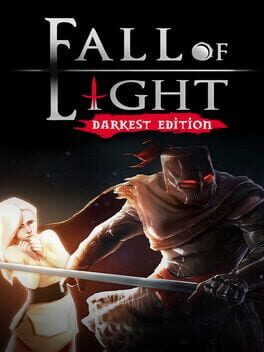 7.0
7.0Fall of Light: Darkest Edition
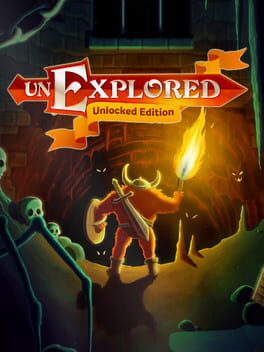 5.6
5.6UnExplored: Unlocked Edition
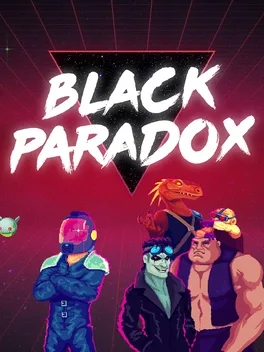 3.5
3.5Black Paradox
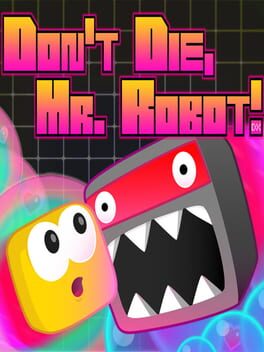 7.0
7.0Don't Die Mr Robot! DX
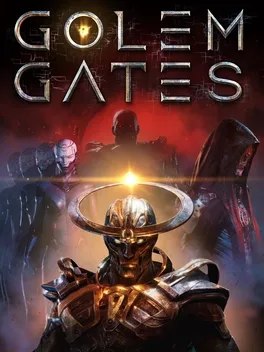 7.3
7.3Golem Gates
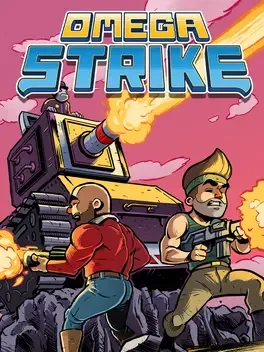 7.0
7.0Omega Strike
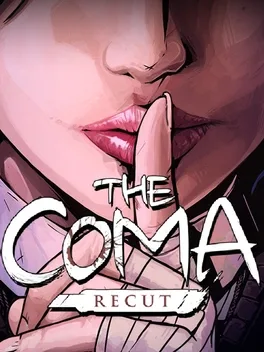 6.7
6.7The Coma: Recut
 7.3
7.3HackyZack
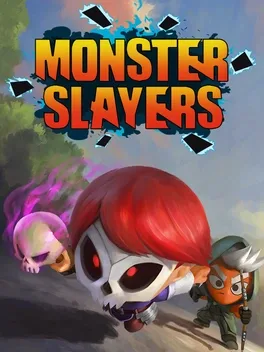 86
86Monster Slayers
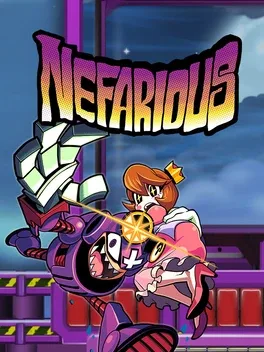 6.3
6.3Nefarious
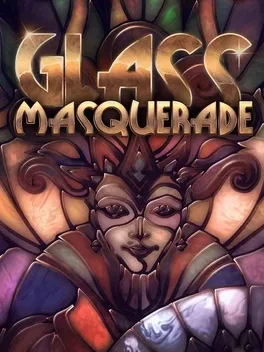 7.1
7.1Glass Masquerade
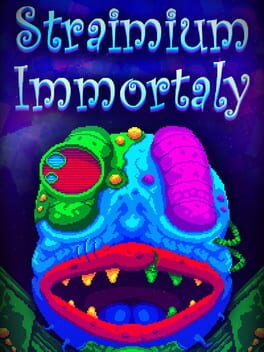 8.0
8.0Straimium Immortaly
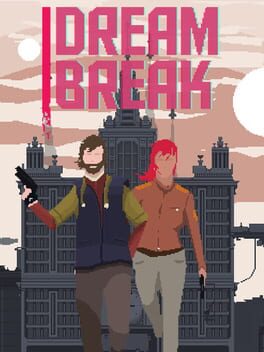 5.2
5.2Dreambreak
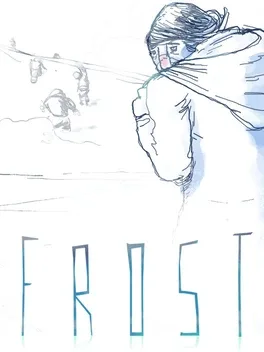 7.0
7.0Frost
 6.0
6.0Arkshot
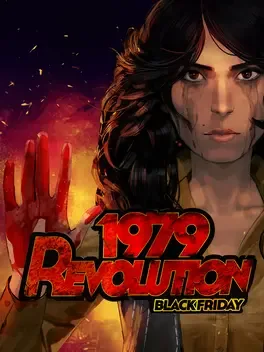 7.5
7.51979 Revolution: Black Friday
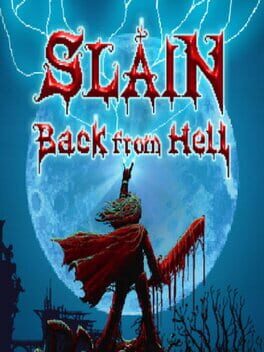 5.5
5.5Slain: Back From Hell
 7.3
7.3The Aquatic Adventure of the Last Human
 8.0
8.0Reverse Crawl
 7.8
7.8Ink
 6.1
6.1Uncanny Valley
 77
77Three Fourths Home: Extended Edition
 4.2
4.2