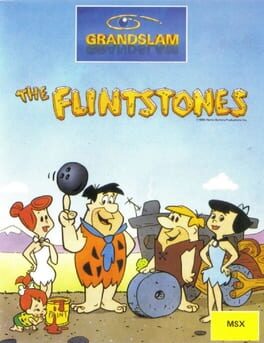
Grandslam Video
Grandslam Video Ltd. was the rename of Grandslam Entertainments Ltd. which renamed again to Grandslam Interactive a few years later.
Grandslam Video at a Glance
If you are browsing PlayPile looking for information on Grandslam Video, you will find they operated as a publisher rather than a developer. The company released ten titles in total during its active period from 1988 to 1994. Their name changed over time, starting as Grandslam Entertainments Ltd before becoming Grandslam Video and later Grandslam Interactive. They are based in the United Kingdom and focused heavily on the home computer market of the early nineties. Their catalog spans a wide variety of genres despite the small number of releases. Arcade games make up three titles, while Adventure and Puzzle games account for two each. They also published Platform, Simulator, Shooter, Racing, Sport, Role-playing, and Point-and-click games, though these categories only have one or two entries each. The platform data shows a strong reliance on the Amiga with eight games, followed by DOS with six releases. Four titles appeared on the Atari ST/STE, and three were released for the Amiga CD32. Older systems like the Commodore C64/128/MAX, ZX Spectrum, and Amstrad CPC also received two games each, while MSX and Sega Master System had single releases. The company's output was concentrated in a short window of time. They released only one game in the 1980s, but nine titles arrived in the 1990s. This shift indicates they were most active during the early years of that decade. Their final releases included Bump 'N' Burn in December 1994, along with The Legend of Myra, Nick Faldo's Championship Golf, Beavers, and Beastlord all coming out in December 1993. These titles represent the end of their publishing run. Since Grandslam Video only published games made by others, there are no developer ratings to analyze for this specific entity. The IGDB bio does not provide quality scores or player reception data for these ten titles. Without that information, it is impossible to determine if their catalog contains mostly great games or if the output was poor. The company ceased operations shortly after 1994, leaving a small footprint in gaming history with a diverse but limited list of published works.
Genre Breakdown
Platform Spread
Release Timeline
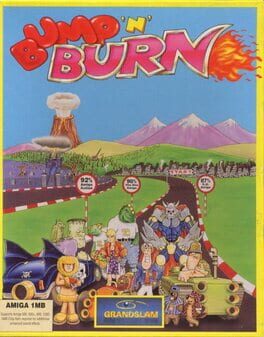
Bump 'N' Burn
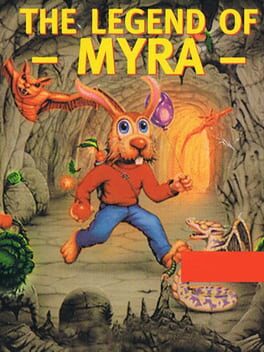
The Legend of Myra

Nick Faldo's Championship Golf
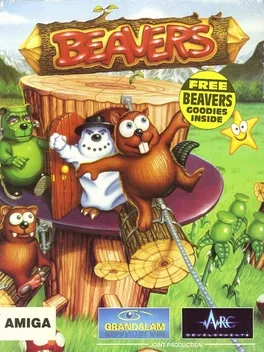
Beavers
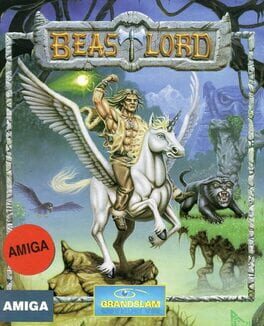
Beastlord
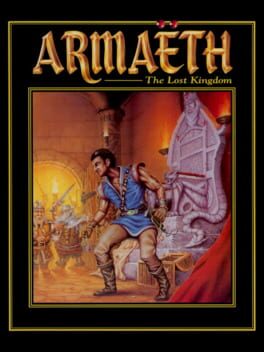
Armaëth: The Lost Kingdom
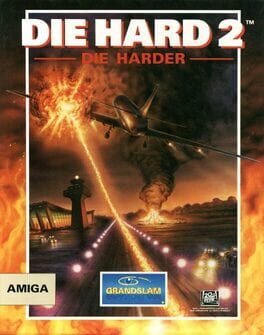
Die Hard 2: Die Harder
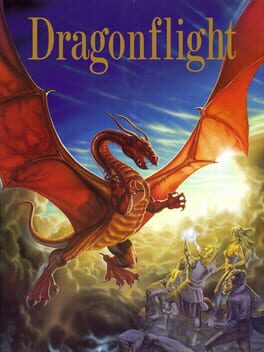
Dragonflight
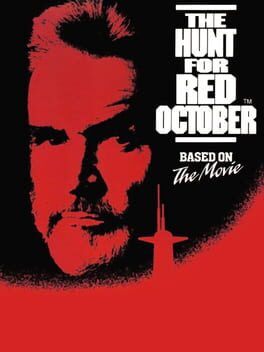
The Hunt for Red October