Jakks Pacific
Jakks Pacific, Inc. is an American company that designs and markets toys and consumer products, with a range of products that feature numerous children's toy licenses.
Jakks Pacific at a Glance
Jakks Pacific stands as a United States based publisher founded in 1995. The company operates primarily within the toy and consumer product sector rather than traditional game development studios. Their digital footprint on PlayPile shows 97 total games, with 97 listed under their publishing credit and 51 under their developer role. This data suggests a heavy reliance on licensing existing properties for their interactive products. The company focused almost exclusively on specific hardware platforms. You will find 95 of their titles running on Plug & Play devices. Only two games appeared on Handheld Electronic LCD screens. This narrow platform strategy defined their reach during their active years from 2004 to 2014. Their output changed significantly over time. They released 68 games during the 2000s but only six titles in the 2010s. This sharp drop indicates a retreat from the market after a decade of activity. Genre choices reflected their toy-focused approach. Quiz and Trivia were their top categories with six entries. Arcade games followed with five titles. They also produced three Fighting games, three Shooters, and three Sports titles. The remaining genres included Platform, Adventure, Puzzle, Music, and Pinball with one or two entries each. These numbers show a diverse but shallow catalog that relied heavily on licensed franchises. Recent releases from their final years include DC Comics Super Heroes: The Watchtower in December 2014. They also published DreamWorks Dragons later that same month. Star Wars: Original Trilogy appeared twice in December 2012, and Cars 2 was released in December 2011. All these titles tie into major movie or comic properties. There is no mention of critical reception scores in the provided data. The company did not build a reputation for high ratings or award-winning mechanics. Their business model centered on selling toys and plug-in games rather than crafting deep gaming experiences. The output volume was substantial in the 2000s but nearly vanished by the end of the decade. This pattern fits a company that pivoted away from digital games to focus on physical merchandise.
Genre Breakdown
Platform Spread
Release Timeline
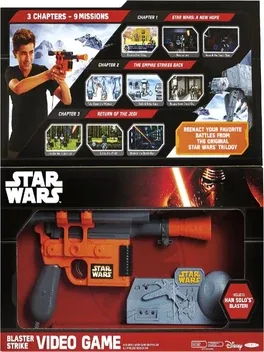
Star Wars: Blaster Strike
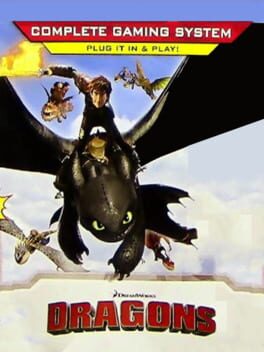
DreamWorks Dragons
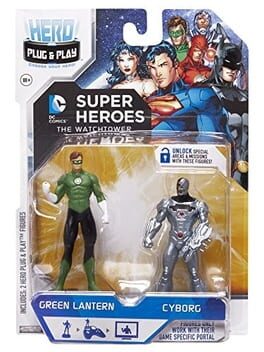
DC Comics Super Heroes: The Watchtower
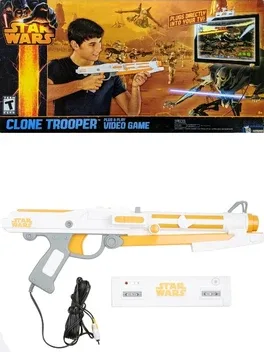
Star Wars: Clone Trooper
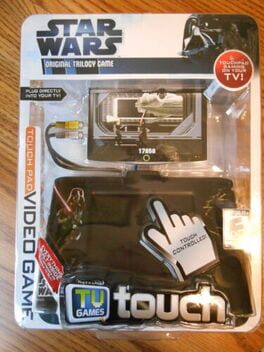
Star Wars: Original Trilogy Game
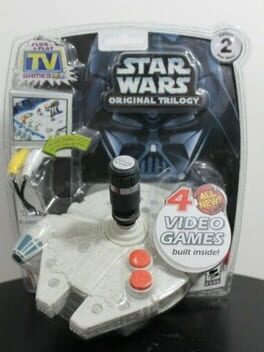
Star Wars: Original Trilogy
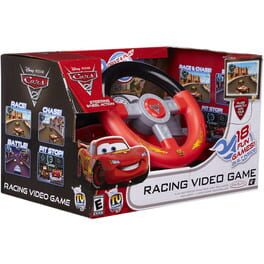
Cars 2
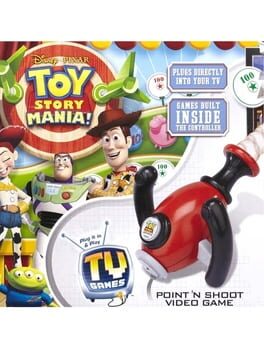
Toy Story Mania!
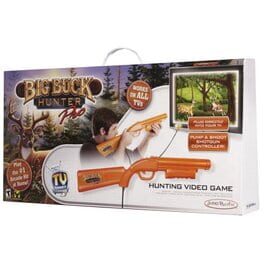
Big Buck Hunter Pro
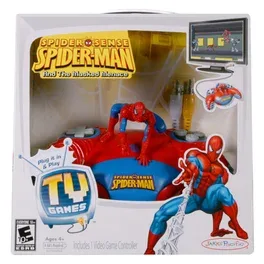
Spider-Sense Spider-Man and the Masked Menace
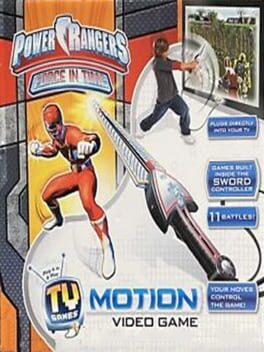
Power Rangers: Force in Time
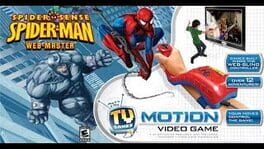
Spider-Sense Spider-Man: Web-Master
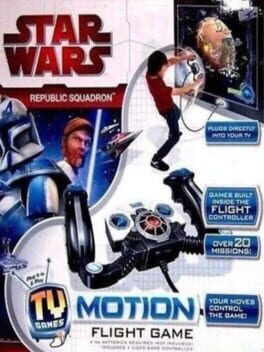
Star Wars: Republic Squadron
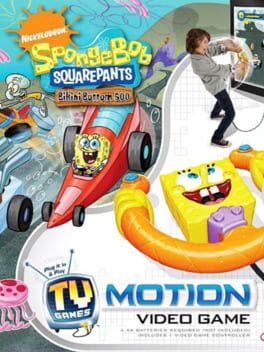
SpongeBob SquarePants: Bikini Bottom 500
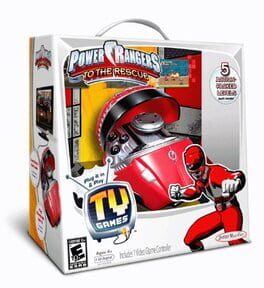
Power Rangers: To the Rescue
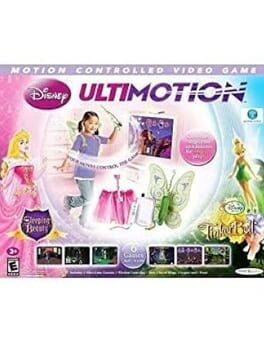
Ultimotion: Sleeping Beauty & Tinker Bell
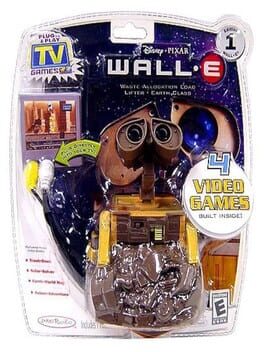
Wall-E
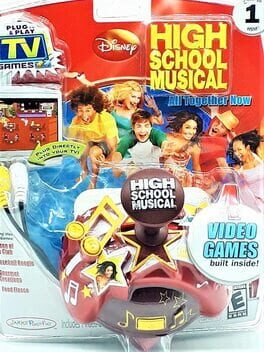
High School Musical: All Together Now
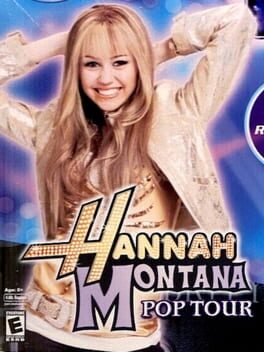
Hannah Montana: Pop Tour
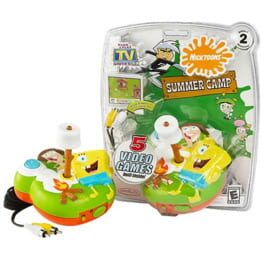
Nicktoons: Summer Camp
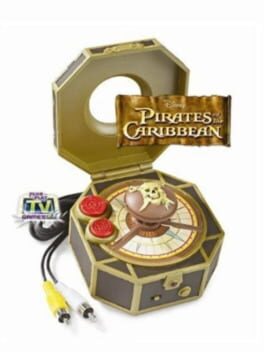
Pirates Of The Caribbean: Islands Of Fortune
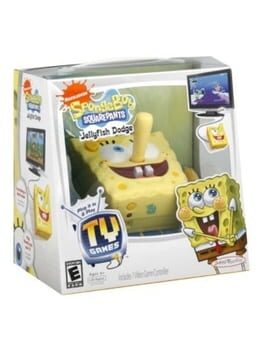
SpongeBob SquarePants: JellyFish Dodge
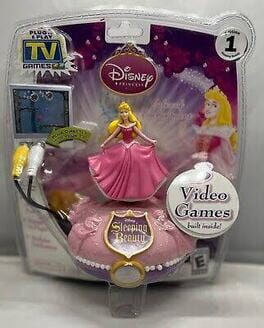
Disney Princess: Sleeping Beauty - Tales of Enchantment
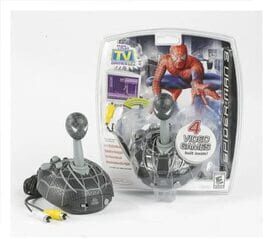
Spider-Man 3
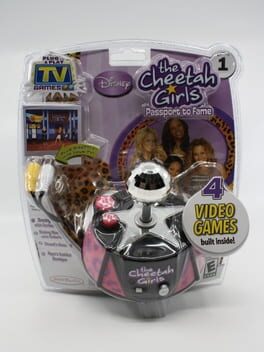
The Cheetah Girls: Passport to Fame
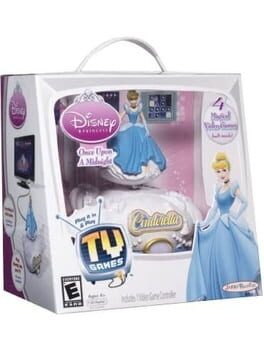
Disney Princess: Cinderella - Once Upon a Midnight
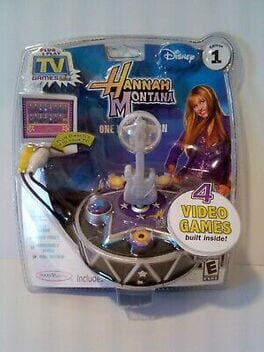
Hannah Montana: One in a Million
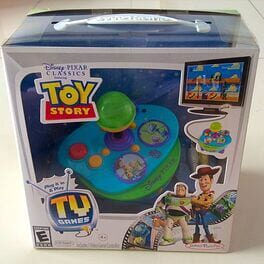
Toy Story
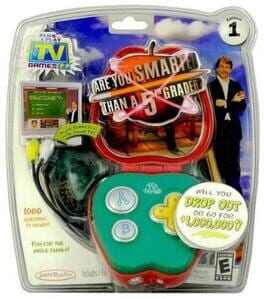
Are You Smarter Than A 5th Grader?
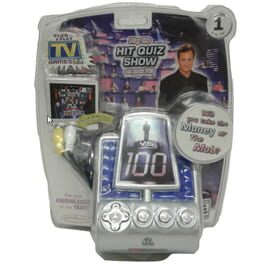
1 vs. 100
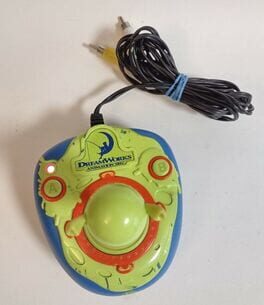
Dreamworks Animation
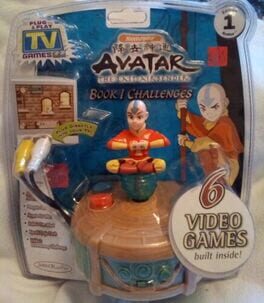
Avatar: The Last Airbender - Book 1 Challenges
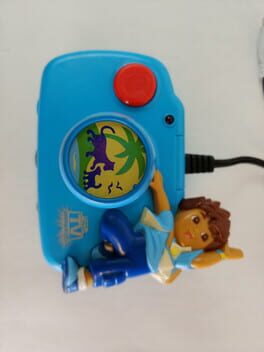
Go, Diego, Go!
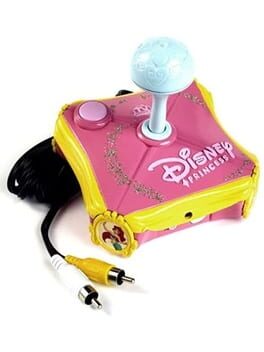
Disney Princess: Magical Adventures
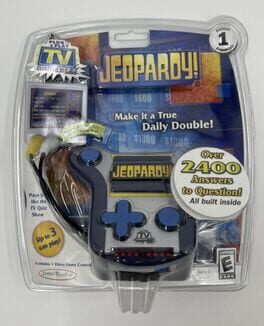
Jeopardy!
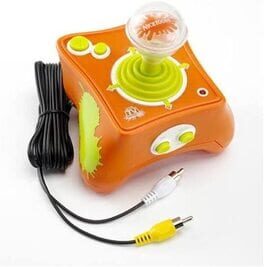
Nicktoons

Thomas & Friends: Right on Time
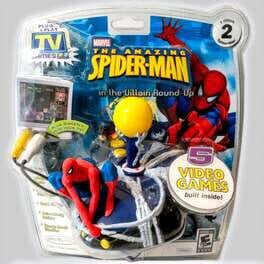
The Amazing Spider-Man in the Villain Round-Up
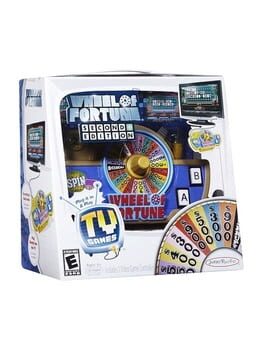
Wheel of Fortune: Second Edition
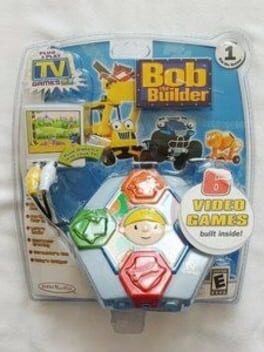
Bob the Builder
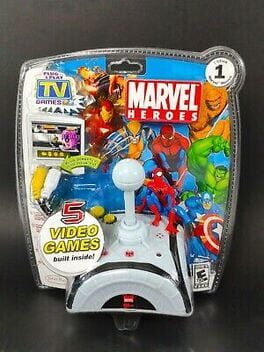
Marvel Heroes
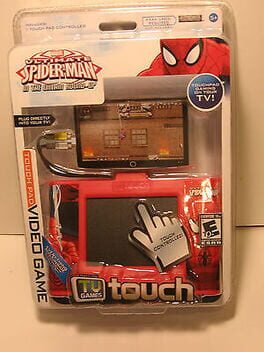
Ultimate Spider-Man in the Villain Round-Up
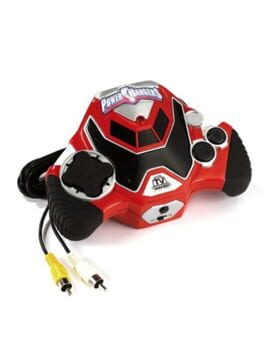
Power Rangers S.P.D.: Escape of the Five Fugitives
Sesame Street: Elmo's World
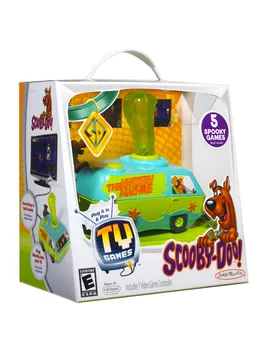
Scooby-Doo and the Mystery of the Castle
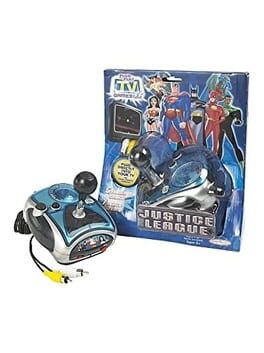
Justice League
Dangerous Pursuit