Mattel Interactive
Mattel Interactive (Known as Mattel Media until 1999) was a video game publisher and software distributor. Mattel originally founded the company as Mattel Media in February 1996, as an aim to expand into the multimedia unit by producing CD-ROM titles based on Mattel franchises like Hot Wheels, Barbie, Fisher-Price and Polly Pocket.[1] The company's first releases came out in the Fall of 1996, with the company's Barbie Fashion Designer program was the first commercially successful video game made for girls. With the success of their first wave of products, Mattel Media then set on producing CD-ROM based interactive material for toys such as the Talk with Me! Barbie.[4] Mattel Media later expanded to video games soon after, publishing titles like Hot Wheels Stunt Track Driver. In the fall of 1998, Mattel agreed to acquire The Learning Company in a stock-for-stock merger valuing the company at approximately $4.2 billion. With the merger, Mattel themselves laid off 3,000 employees. Mattel sold both Mattel Interactive and The Learning Company in 2000 at a loss to Gores Technology Group. The total financial losses to Mattel have been estimated to be as high as $3.6 billion. Mattel's acquisition of The Learning Company has been referred to as "one of the worst acquisitions of all time" by several prominent business journals. In February 2001, Mattel signed a publishing and distribution deal with THQ for the Hot Wheels and Matchbox licenses, and Vivendi Universal Interactive Publishing for other major licenses including Diva Starz, Fisher-Price and Barbie. That same month, THQ also acquired Mattel's computer rights to Rugrats, SpongeBob SquarePants and Rocket Power and Mattel's console and computer rights to The Wild Thornberrys and Jimmy Neutron: Boy Genius. In 2000, the ex-Learning Company and Mattel assets acquired by Gores were split up into three divisions - GAME Studios for video games, The Learning Company for educational software and Brøderbund for home software. GAME Studios' was sold to Ubi Soft in March 2001, taking all of the gaming assets formerly held by The Learning Company.[11] The Learning Company itself was acquired by Riverdeep Interactive Learning Limited in September 2001 and later acquired all of Brøderbund in August 2002.
Mattel Interactive at a Glance
Mattel Interactive, which operated from 1998 to 2016 under the name Mattel Media until 1999, was a United States based publisher and developer. The company released a total of 23 games on PlayPile, with 20 titles as a publisher and only 5 as a developer. Their catalog spans three decades but shows a sharp decline in output over time. They released 8 games in the 1990s and 14 in the 2000s, but only 1 game appeared in the 2010s. This small recent output suggests they were not an active force in modern gaming by that period. Their library covers several genres with a clear focus on Racing and Adventure, each having 6 titles. They also published 4 Simulators, 3 Point-and-click games, and smaller amounts of Arcade, Puzzle, Music, and Fighting games. The company primarily targeted PC users, releasing 13 games for Microsoft Windows. Their reach extended to PlayStation with 4 titles and Game Boy Color with another 4. Smaller numbers appear for Mac (3), iOS (1), and Dreamcast (1). This platform distribution shows they were heavily invested in the computer market during their active years. The quality of their work is modest based on available data. They hold an average IGDB rating of 67.3 out of 100 across one rated title. Their rating breakdown includes zero great scores and zero poor scores, with just one good title recorded. That single rated game is Hot Wheels Stunt Track Driver from 1998, which holds the same average score of 67.3. Other releases like DC Super Hero Girls in May 2016 and various Matchbox titles from 2001 do not have ratings listed in this dataset. The company had a turbulent history that impacted its longevity. Founded in February 1996 to expand into multimedia, they initially found success with Barbie titles for girls. They later acquired The Learning Company in 1998 but sold both entities two years later at a significant loss. By 2001, their assets were split up and sold to other companies like Ubi Soft. Mattel Interactive eventually ceased operations as their licenses moved to partners like THQ and Vivendi Universal. Their presence on PlayPile reflects a brief period of activity before the company was dissolved and its assets scattered.
Genre Breakdown
Platform Spread
Release Timeline
Rating Distribution
Highest Rated Titles

DC Super Hero Girls

Matchbox: Emergency Patrol

Matchbox: Emergency Patrol
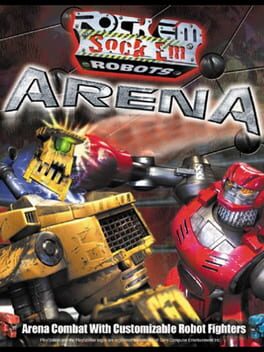
Rock 'em Sock 'em Robots Arena
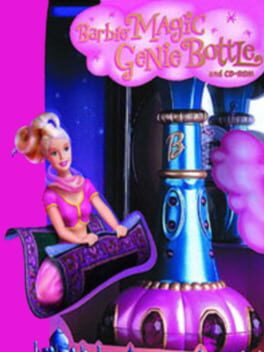
Barbie Magic Genie Bottle
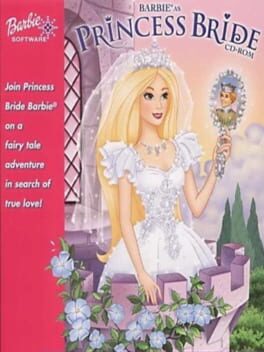
Barbie as Princess Bride
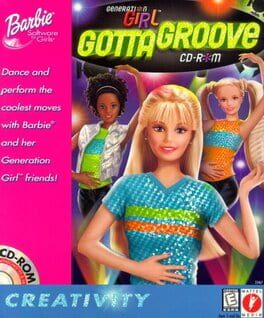
Generation Girl Gotta Groove
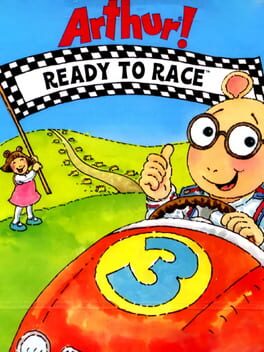
Arthur! Ready to Race
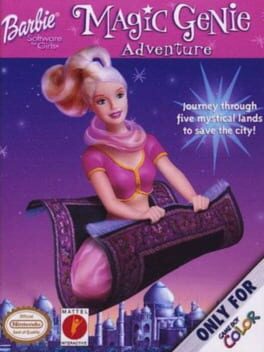
Barbie: Magic Genie Adventure
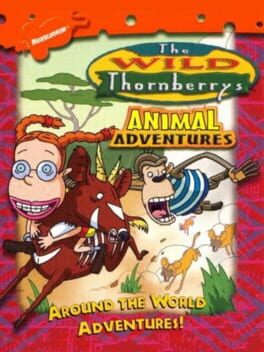
The Wild Thornberrys' Animal Adventures
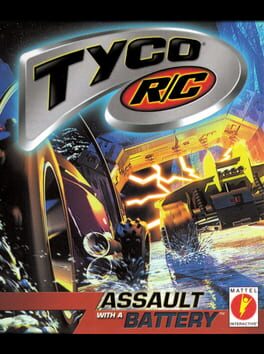
Tyco R/C: Assault with a Battery
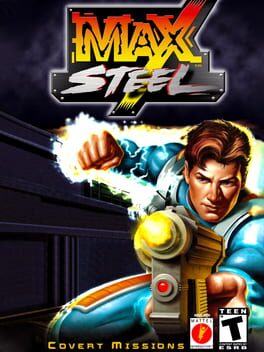
Max Steel: Covert Missions
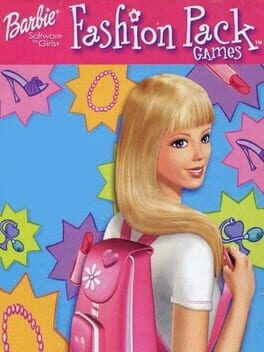
Barbie: Fashion Pack Games
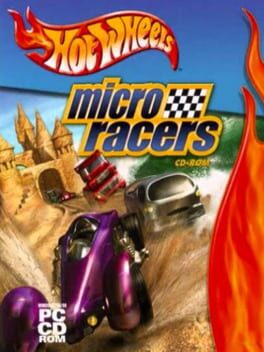
Hot Wheels Micro Racers

Barbie Pet Rescue
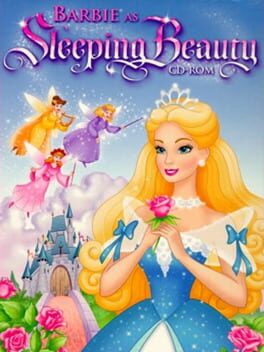
Barbie as Sleeping Beauty
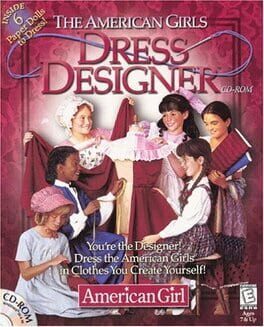
American Girl: Dress Designer
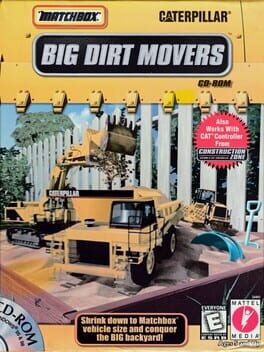
MatchBox Caterpillar Big Dirt Movers

Caterpillar Construction Zone
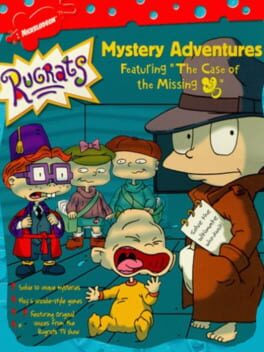
The Rugrats Mystery Adventures
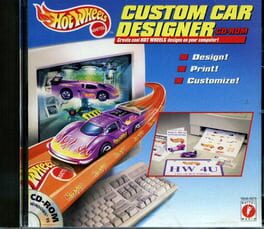
Hot Wheels: Custom Car Designer
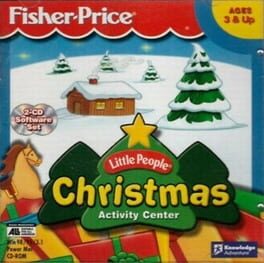
Fisher-Price Little People Christmas Activity Center
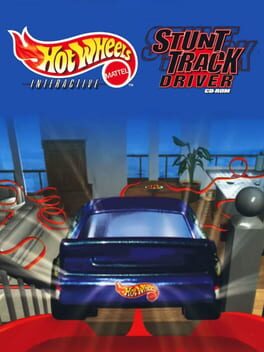
 6.7
6.7