Mattel Media
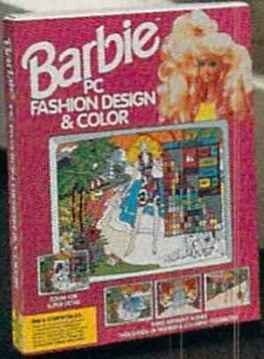
Mattel originally founded the company as Mattel Media in February 1996, as an aim to expand into the multimedia unit by producing CD-ROM titles based on Mattel franchises like Hot Wheels, Barbie, Fisher-Price and Polly Pocket. The company's first releases came out in the Fall of 1996, with the company's Barbie Fashion Designer program was the first commercially successful video game made for girls In 1999 it was rebranded as Mattel Interactive.
Mattel Media at a Glance
Mattel Media operated as a United States based publisher and developer between 1991 and 2000 before rebranding to Mattel Interactive in 1999. Their catalog on PlayPile contains 18 titles, with the company acting as publisher for 17 of them and developer for only three. The vast majority of their work appeared during the 1990s when they released 17 games, while their output dropped to a single title in the 2000s. This shift suggests the entity became inactive or merged shortly after changing its name. The company focused heavily on PC platforms with 17 releases for Microsoft Windows. They also had a small presence on Mac with two titles and one release for PlayStation. Their genre selection leaned toward simulation games, which made up six of their total releases. Adventure games accounted for four titles, while racing, sport, and point-and-click each contributed just one game to their library. This distribution shows a clear preference for specific gameplay styles over others. Many of these projects were based on major Mattel franchises such as Barbie, Hot Wheels, Fisher-Price, and Polly Pocket. Their first commercial success came with the Barbie Fashion Designer program in 1996, which targeted female players. Later releases included Detective Barbie: The Mystery Cruise in November 2000 and several titles from late 1999 like Working Woman Barbie, Digital Makeover, Totally Tattoos, and Hot Wheels: Crash!. While specific rating data is not provided in the source text, the company's history indicates they produced niche content that was successful enough to drive a multimedia expansion strategy at the time. Their output remained steady through the late 90s before vanishing from the record after their rebranding.
Genre Breakdown
Platform Spread
Release Timeline
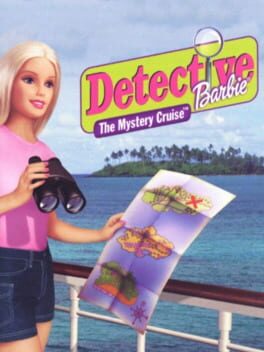
Detective Barbie: The Mystery Cruise
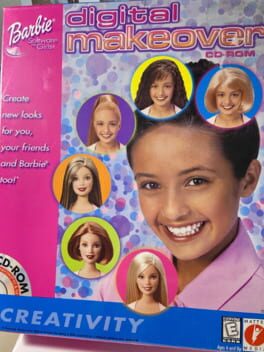
Digital Makeover
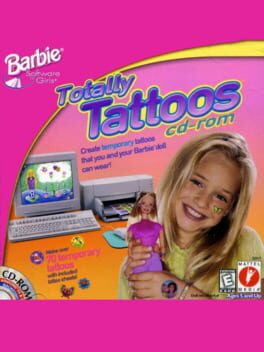
Totally Tattoos
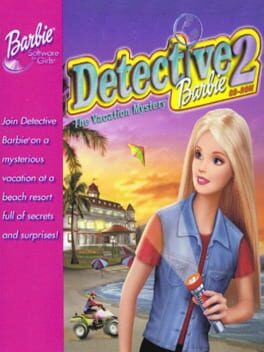
Detective Barbie 2: The Vacation Mystery
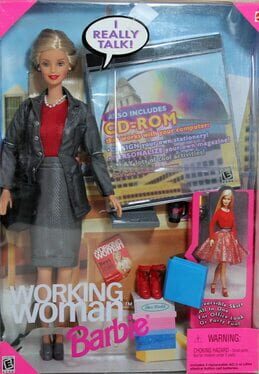
Working Woman Barbie

Hot Wheels: Crash!
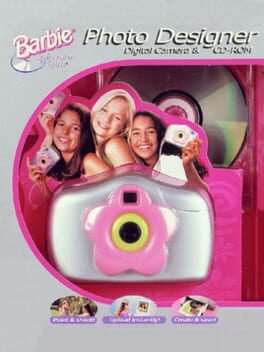
Barbie Photo Designer
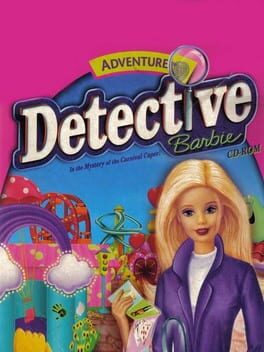
Detective Barbie in The Mystery of the Carnival Caper
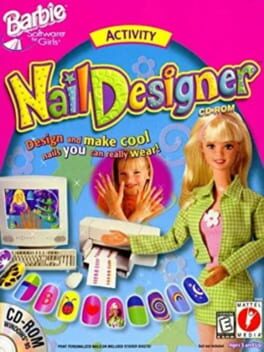
Barbie Nail Designer
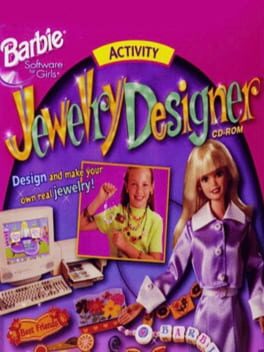
Barbie Jewelry Designer
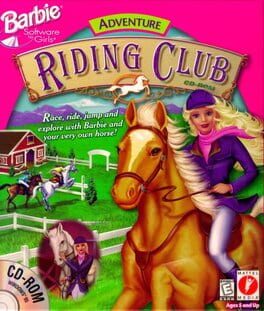
Barbie Adventure: Riding Club
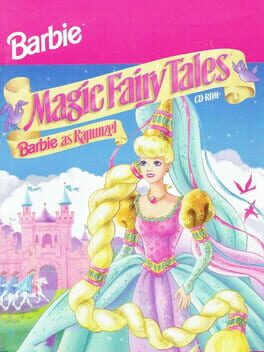
Magic Fairy Tales: Barbie as Rapunzel
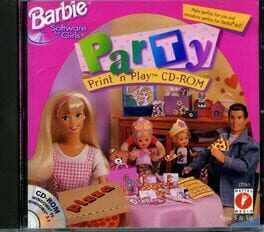
Party Print 'N Play
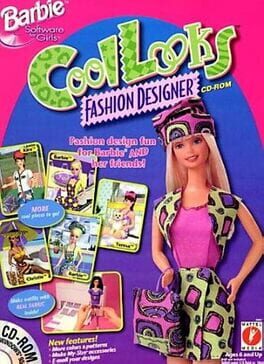
Barbie Cool Looks Fashion Designer
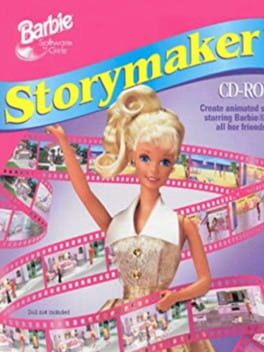
Barbie Storymaker
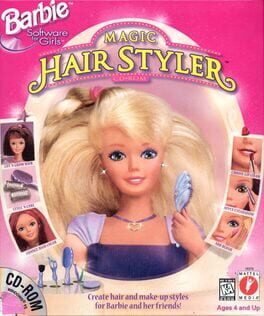
Barbie: Magic Hair Styler
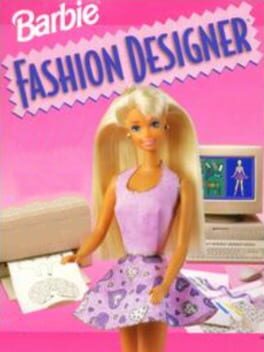
Barbie: Fashion Designer