Positech Games
Positech Games is a video game developer based in the United Kingdom. The company was founded in 1997 and belongs to the former Lionhead Studios programmer Cliff Harris. The company has published a number of PC games. One of the most notable publications by Positech is the strategy game of policy shift Democracy. Positech is known for making complex simulation games.
Positech Games at a Glance
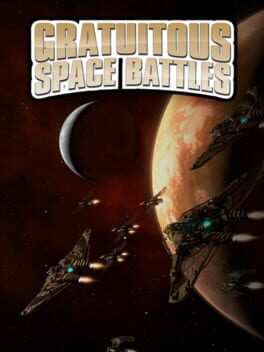
Positech Games is a United Kingdom based publisher and developer founded in 1997 by former Lionhead Studios programmer Cliff Harris. The company released fifteen titles between 2006 and 2020, with the bulk of their work appearing during the 2010s when they issued nine games. Their output slowed significantly in the 2000s with only four releases and dropped to a single entry in the 2020s. While their website remains active, their recent activity shows a long gap since their last major release in late 2020. The company focuses heavily on indie, simulator, and strategy genres. Their entire catalog of fifteen games is available on PC, with eleven versions released for Mac and seven for Linux. They also published single titles for iOS, PlayStation 4, Xbox One, and Nintendo Switch. Their portfolio includes three role-playing games, one puzzle game, and various sub-genres like real-time strategy and turn-based strategy. The average rating across their twelve rated titles is 63.3 out of 100. This score reflects a mix where nine games fall into the good range, three land in the mixed category, and none are rated as poor or great. No title from Positech Games has reached the 80-point threshold for high acclaim on PlayPile. Their highest-rated project is Gratuitous Space Battles from 2009, which scored 78.1. Other notable entries include Democracy 3 from 2013 at 72.6 and Kudos from 2006 at 70. The company has released several versions of their policy simulation series over the years. Democracy 4 arrived in October 2020 with a score of 68.5, while Political Animals followed in 2016 with a 70 rating. More recent releases like Shadowhand and Production Line received scores of 67.4 and 60 respectively. Their output has generally stayed within the mid-range ratings without breaking into the top tier of critical favorites. The data suggests they have maintained a steady but modest presence in the strategy simulation space without achieving widespread commercial or critical dominance.
Genre Breakdown
Platform Spread
Release Timeline
Rating Distribution
Highest Rated Titles

 6.8
6.8Democracy 4
 6.7
6.7Shadowhand
 6.0
6.0Production Line
 7.0
7.0Political Animals
 6.0
6.0Democracy 3 Africa
 6.6
6.6Big Pharma
 4.0
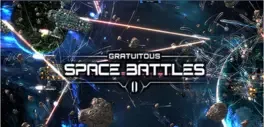
4.0Gratuitous Space Battles 2
 5.8
5.8Redshirt
 7.3
7.3Democracy 3
 69
69Gratuitous Tank Battles
 7.8
7.8Gratuitous Space Battles

Kudos 2

Kudos: Rock Legend
 7.0
7.0Kudos