Slightly Mad Studios
Founded in 2009, Slightly Mad Studios is a multi-award-winning studio with a heritage and pedigree in the creation of some of the world's most memorable and successful racing franchises including Project CARS, GTR, GT Legends, BMW M3 Challenge, Need For Speed, and Test Drive.
Slightly Mad Studios at a Glance
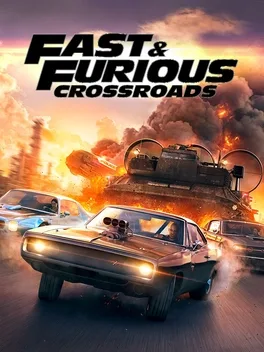
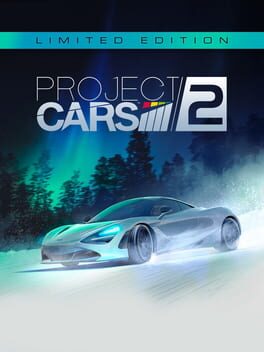
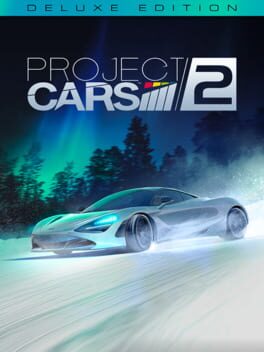
Slightly Mad Studios operates out of the United Kingdom and has been active since 2009 until 2020. You will find 14 games in their catalog on PlayPile, with the studio acting as a developer for 13 of them and a publisher for three. Their output is heavily skewed toward racing titles, which make up 13 of their projects. They also have nine simulator games, three sports entries, and one adventure title. The company reached players across many systems, with PC support appearing in 11 releases. PlayStation 4 and Xbox One were the next most common platforms with nine and seven titles respectively. Their reach extended to older consoles like the PlayStation 3 and Xbox 360 as well as niche hardware such as the Oculus Rift and Wii U. The studio released just one game during the 2000s decade. The bulk of their work came in the 2010s with 11 games, while they only managed two releases in the 2020s before stopping activity. Their average rating across eight rated titles sits at 65.6 out of 100. This score reflects a generally solid but not flawless track record. The data shows one great title that scored above 80, five good games falling between 60 and 79, and two mixed entries in the 40 to 59 range. No titles fell into the poor category. Their highest rated work includes Project CARS 2 from 2017 with a score of 80.3. Need for Speed: Shift 2 Unleashed followed closely in 2011 at 79.1. The original Project CARS from 2015 earned a 78.8, while the first Need for Speed: Shift hit 76.3 in 2009. Project CARS 3 from 2020 scored 70.4. Not all recent efforts matched these highs. Fast & Furious: Crossroads released alongside Project CARS 3 in August 2020 but received a low score of 40.1. This drop indicates that their later output was inconsistent compared to their peak years. While they built a reputation on successful racing franchises, the variance in their scores suggests quality control became less predictable as time went on.
Genre Breakdown
Platform Spread
Release Timeline
Rating Distribution
Highest Rated Titles

 7.0
7.0Project CARS 3
 4.0
4.0Fast & Furious: Crossroads
 86
86Project CARS 2
Project Cars 2: Limited Edition
Project CARS 2: Deluxe Edition
 6.0
6.0World of Speed
Biker Bash
Project CARS: Complete Edition
 4.0
4.0Project CARS: Pagani Edition

Project CARS: Perfect Edition
 7.9
7.9Project CARS
Project Cars: Digital Edition
 7.9
7.9Need for Speed: Shift 2 Unleashed
 7.6
7.6