Strategic Simulations
When wargame giant Avalon Hill and then-current computer game publishers were not interested in his first title, Joel Billings had to found his own company to publish and distribute his computer wargames. SSI was the dominant force in computer wargames from then (1981) into the early 1990s, holding its own against Avalon Hill's own efforts and other competitors. In the mid 1980s, two of SSI's more prolific developers left to form their own company, SSG. The split appears to have been at least as much a result of the two living in Australia as of any business or creative reasons. In the late 1980s, SSI signed a deal with TSR, Inc., to publish official Dungeons and Dragons computer games. The "Gold Box" D&D games took the company in new directions. Although SSI never stopped publishing war games, the D&D license quickly became the main source of income and produced their best-known products. The loss of the D&D license to Interplay was the swan song for SSI as an independent company. No longer dominant in their original wargame market and suddenly without their primary franchise, the company was acquired by Mindscape in 1994. It changed hands several times after that - from Mindscape to The Learning Company, Mattel Interactive, The Gores Group and finally to Ubi Soft. Ubi Soft used the SSI logo and name on some of their titles, including Pool of Radiance: Ruins of Myth Drannor and Destroyer Command, but has since retired the brand.
Strategic Simulations at a Glance
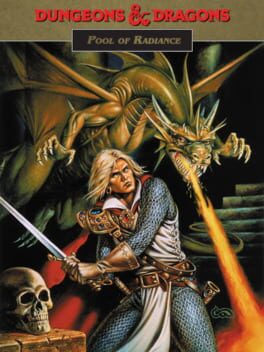
Strategic Simulations began in 1979 when founder Joel Billings created his own company after other publishers rejected his first wargame title. The studio quickly became a dominant force in computer wargames from 1981 through the early 1990s. Their catalog spans forty-two years of activity, though their output was not consistent across time. They released only four games during the 1980s and just one title in the 2020s. The vast majority of their work, fourteen games, appeared in the 1990s when they signed a deal with TSR, Inc. to publish official Dungeons & Dragons computer games. This partnership produced the well-known Gold Box series, which became their primary source of income and shifted their focus away from pure war games. The company holds twenty games on PlayPile, where they appear as either publisher or developer across thirteen different platforms. DOS and Microsoft Windows are the most common systems with eleven titles each, followed by five games for the Amiga. Their genre focus is heavily skewed toward strategy, with thirteen strategy titles in their list. They also have six role-playing games, five turn-based strategy games, and five simulators. Other genres include adventure, real-time strategy, shooter, and sport, though these make up only a small portion of their total output. Quality ratings for Strategic Simulations vary significantly across their library. The average IGDB rating is 70.2 out of 100 based on four rated titles. Their best-known product, Eye of the Beholder II: The Legend of Darkmoon from 1991, holds a high score of 87.3. Advanced Dungeons & Dragons: Pool of Radiance from 1988 follows with a solid 79.2. However, their later war game efforts show a decline in critical reception. Warhammer 40,000: Chaos Gate from 1998 scored 62.5, while Fantasy General from 1996 received a mixed rating of 51.5. The loss of the D&D license to Interplay in the early 1990s marked the end of their dominance as an independent studio, leading to acquisition by Mindscape in 1994 and subsequent ownership changes through Mattel Interactive, The Gores Group, and finally Ubi Soft. Ubi Soft eventually retired the brand after using the name for a few titles like Destroyer Command.
Genre Breakdown
Platform Spread
Release Timeline
Rating Distribution
Highest Rated Titles

Wargame Construction Set II: Tanks!
 6.3
6.3Warhammer 40,000: Chaos Gate

Soldiers at War

Imperialism

Pacific General
 5.2
5.2Fantasy General
Deathkeep

Great Naval Battles: Burning Steel 1939-1942
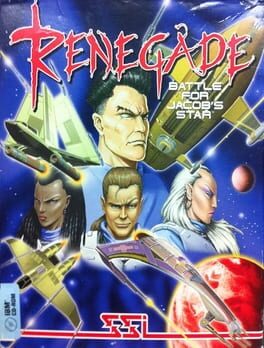
Renegade: The Battle for Jacob's Star
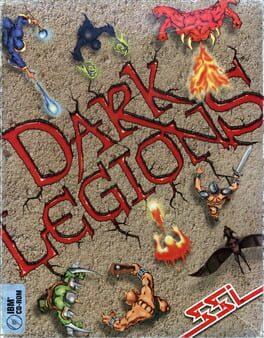
Dark Legions
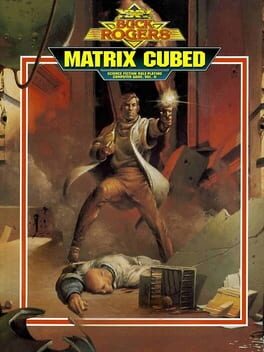
Buck Rogers: Matrix Cubed
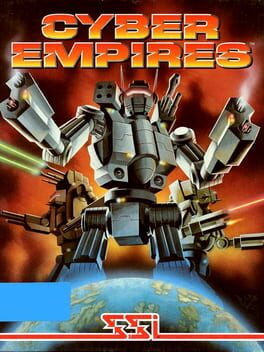
Cyber Empires
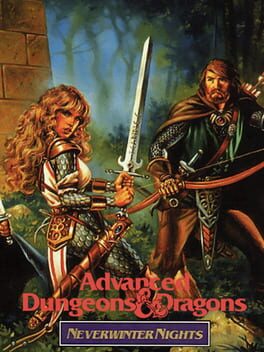
Neverwinter Nights
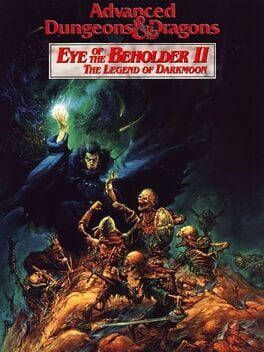 8.7
8.7Eye of the Beholder II: The Legend of Darkmoon
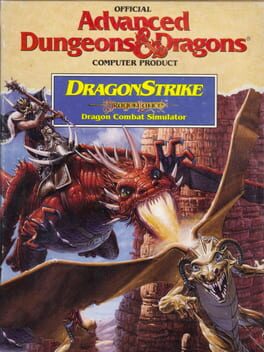
DragonStrike
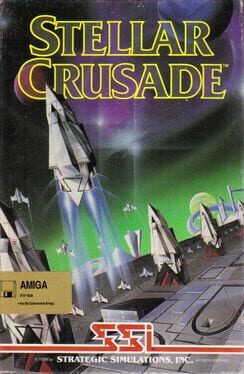
Stellar Crusade
 7.9
7.9Advanced Dungeons & Dragons: Pool of Radiance
Cosmic Balance II
Computer Quarterback