This Is Pop
This Is Pop is an NYC-based design studio specializing in casual game development.
This Is Pop at a Glance
This Is Pop was a New York City design studio active between 2002 and 2013. The company released fourteen titles as a developer, though it never acted as a publisher for any of them. Their work appeared almost exclusively on web browsers, with thirteen of their fourteen games built for that platform. Only two of their projects reached PC on Microsoft Windows. This heavy reliance on browser technology suggests they targeted casual players who accessed games directly through online portals rather than downloading software. The studio operated mostly during the 2000s decade when it produced eleven games. Activity slowed considerably in the 2010s, resulting in only two releases between 2000 and 2013. Their final known title was Cage Fight, which arrived in June 2013. Before that, they released Hemp Tycoon in October 2010 and SpongeBob's Atlantis SquarePantis SquareOff in January 2008. Earlier efforts included Bible Fight in May 2007 and Ben 10: Battle Ready in February 2006. This Is Pop covered a wide range of genres, but Adventure was their most common focus with seven titles. They also made four Fighting games, three Role-playing games, and three Arcade titles. Other projects included Turn-based strategy, Platform, Hack and slash, Puzzle, Card & Board Game, and Simulator entries. The data shows they worked on licensed properties like Ben 10 and SpongeBob SquarePants alongside original concepts. Quality results for this developer were mixed at best. PlayPile lists only one rated title for them, which is Ben 10: Battle Ready with a score of 60.1 out of 100. This single rating falls into the good category but sits just above the middle range. There are no records for great or poor scores in their catalog on this platform. The low number of rated games makes it difficult to judge their overall consistency, but the average score suggests they were not a top-tier producer. Their output volume was also modest compared to larger industry players, and their shift from eleven releases in one decade to just two in the next indicates a shrinking operation before they ceased activity.
Genre Breakdown
Platform Spread
Release Timeline
Rating Distribution
Highest Rated Titles
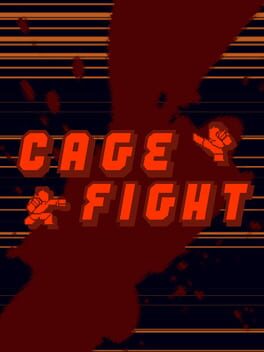
Cage Fight

Hemp Tycoon
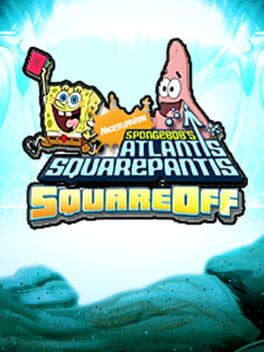
SpongeBob's Atlantis SquarePantis SquareOff

Bible Fight
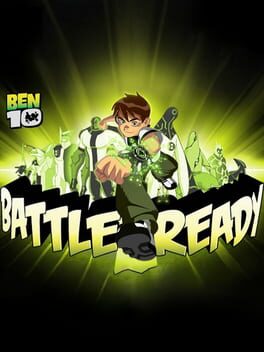
 6.0
6.0Ben 10: Battle Ready
Hi Hi Puffy AmiYumi Treasure Island

Fullmetal Alchemist: Iron & Flame
InuYasha: Demon Tournament
Codename: Kids Next Door - Operation T.R.I.C.K. or T.R.E.A.T.
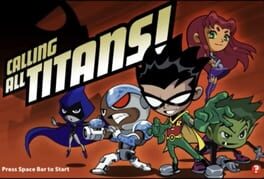
Teen Titans: Calling All Titans
Teen Titans Battle Blitz
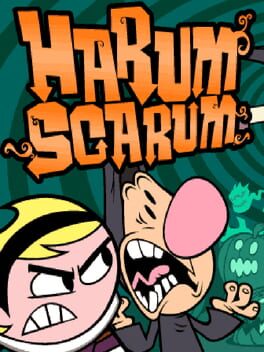
Harum Scarum
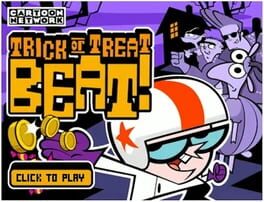
Cartoon Network: Trick or Treat Beat!