THQ Inc.
THQ Inc. was an American video game company based in Agoura Hills, California. It was founded in April 1990 by Jack Friedman, originally in Calabasas, and became a public company the following year through a reverse merger takeover. Initially working in the toy business, it expanded into the video game business through several acquisitions before shifting its focus away from toys entirely. THQ continued its trend of acquiring companies through the 2000s.
THQ Inc. at a Glance
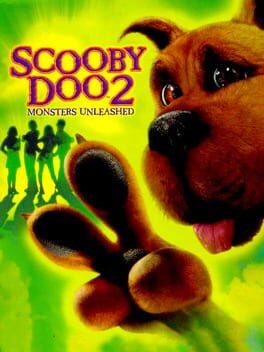
THQ Inc. was an American publisher based in Agoura Hills, California that operated from 1997 to 2011. Founded by Jack Friedman in 1990, the company started in the toy business before moving into video games through a series of acquisitions. It went public in 1991 and continued buying other firms throughout the 2000s. On PlayPile, THQ appears strictly as a publisher with ten titles to its name and zero entries as a developer. Their catalog shows a heavy reliance on PC, which accounts for six of their listed games. They also released content for PlayStation, Xbox 360, Game Boy, and Game Boy Color, though these platforms only hold one title each in the dataset. The company released two games in the 1990s, seven titles during the 2000s, and a single game in the 2010s. Their most recent entry listed is Voltron: Defender of the Universe from October 2011. This release received a score of 60 out of 100. The publisher covered a wide range of genres including shooters, adventure games, strategy titles, and racing simulations. Three of their games fall into the shooter category, while the rest are spread across platformers, sports, and arcade styles. Quality trends for THQ appear mixed based on the available data. Out of three rated games, one is considered great, two are good, and none are poor or mixed. Cultures from 2001 holds their highest score at 80 out of 100. Other notable releases like Scooby Doo 2: Monsters Unleashed scored 62.1 in 2004, while Voltron scored exactly 60 in 2011. The company published licensed titles such as Bob the Builder and Hot Wheels alongside original IPs. Their output volume increased significantly from the late nineties into the mid-2000s before dropping off sharply by 2011.
Genre Breakdown
Platform Spread
Release Timeline
Rating Distribution
Highest Rated Titles
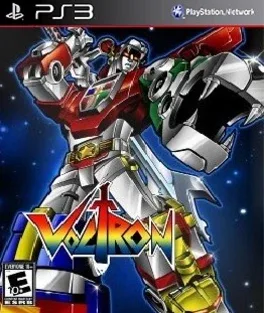
 6.0
6.0Voltron: Defender of the Universe
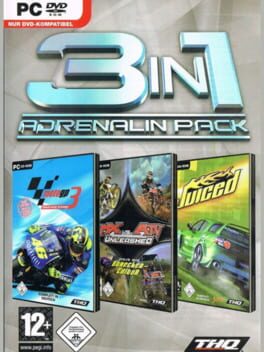
3in1 Adrenalin Pack
 6.2
6.2Scooby Doo 2: Monsters Unleashed
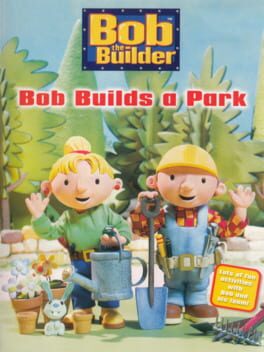
Bob the Builder: Bob Builds A Park
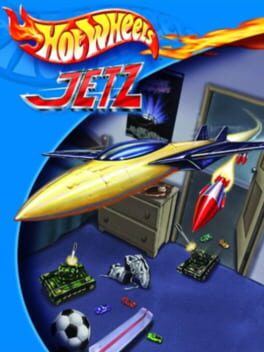
Hot Wheels: Jetz
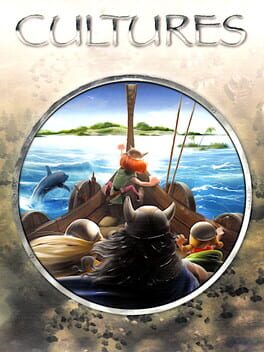 8.0
8.0Cultures

Mercedes-Benz Truck Racing
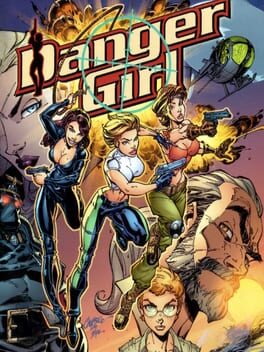
Danger Girl
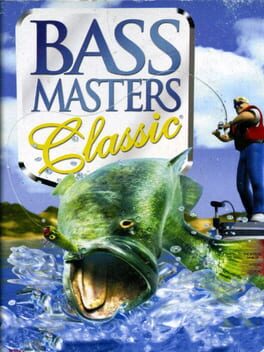
Bass Masters Classic