Zemina
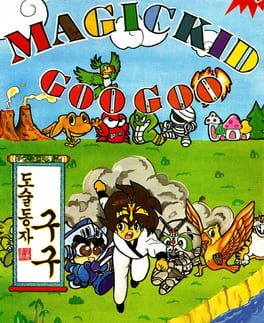
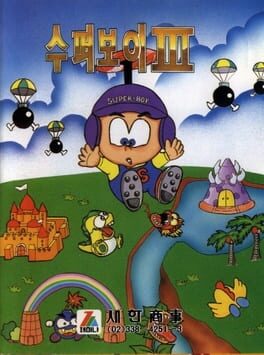
Zemina (재미나) was a South Korea-based pirate company that primarily developed for the MSX computer (which was popular in Asia) and Sega SG-1000, and started using the Master System as a platform for their products later. Their flagship series was the Super Boy series (1989-92).
Zemina at a Glance
If you are browsing PlayPile to learn about Zemina, you will find a company founded in South Korea in 1987 that operated for only five years before ceasing activity in 1992. This publisher and developer released a total of ten games on this platform, with seven titles where they served as the developer. Their output was heavily concentrated in the 1980s, where they published six games compared to just three releases in the 1990s. The company focused almost entirely on the MSX computer, which accounted for seven of their ten titles. They also released four games for the Sega Master System and Mark III, along with a single title for the Family Computer. Their genre list shows a clear preference for platformers, which made up seven of their games. The remaining three titles were split between hack and slash beat em ups, puzzle games, and sports games. Their most recognizable work is the Super Boy series, which ran from 1989 to 1992. This franchise included five entries starting with Super Boy I in December 1989 and concluding with Magic Kid Goo Goo in October 1992. Two of these sequels, Super Boy II and Super Boy III, were released in December 1989 and February 1991 respectively, while Super Boy IV appeared in February 1992. According to available records from IGDB, Zemina operated as a pirate company during its short existence. This business model defined their approach to hardware, starting with the MSX computer which was popular in Asia before they moved toward Sega consoles. Their production volume dropped significantly after 1989, leaving them with only three games for the entire decade of the 1990s. There are no rating scores provided in the data to judge the quality of their work, but their reliance on pirated development and a narrow five-year lifespan suggests a company that did not have the longevity or resources to build a lasting reputation among major studios. Their catalog remains small by modern standards, consisting entirely of games from a specific era of computing history.