
Zigurat Software
Zigurat was a Spanish 8-bit video game development company. He was born after the success of his previous company Made in Spain. After their failure to adapt to 16 bits, they began to program arcade machines, working exclusively for Gaelco.
Zigurat Software at a Glance
Zigurat Software is a Spanish publisher and developer that operated from 1986 through 1994. You will find 21 titles in our database, though the company released games under two different roles with 18 as a publisher and 7 as a developer. Their catalog spans only eight years of activity, yet they managed to produce a solid volume of work for that short window. The majority of their output belongs to the arcade genre with eight entries, followed by racing games at six titles. They also touched on adventure, sports, strategy, platformers, shooters, and a single hack and slash or beat em up game. The company is heavily defined by its focus on 8-bit hardware. You will see that 17 of their games appeared on the ZX Spectrum and another 17 on the MSX. The Amstrad CPC hosts 16 titles, while DOS accounts for 12 releases. Only two games reached arcade cabinets, and a single title made it to the Amiga. This distribution shows they prioritized home computers over consoles or high-end systems during their active years. Zigurat Software was formed after their previous venture, Made in Spain, achieved success but then failed to adapt to 16-bit technology. This shift led them to focus on programming arcade machines exclusively for Gaelco. Their output grew as the decades turned, with eight games released in the 1980s and thirteen in the 1990s. Some of their later releases include Jump from December 1992, Star Bowls from December 1991, World Rally from February 1993, Chess Housers from December 1993, and Target Hits in June 1994. There is no data provided regarding player ratings or critical reception for these titles. The available information does not mention quality trends or awards. Their career ended abruptly after 1994, leaving a catalog that remains firmly rooted in the late 80s and early 90s home computing scene. If you are looking for modern releases from this studio, you will not find any as they have been inactive for decades.
Genre Breakdown
Platform Spread
Release Timeline
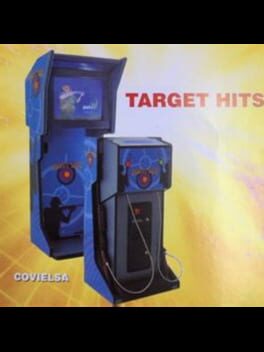
Target Hits
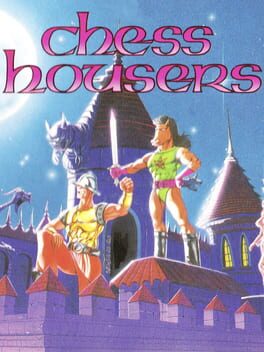
Chess Housers
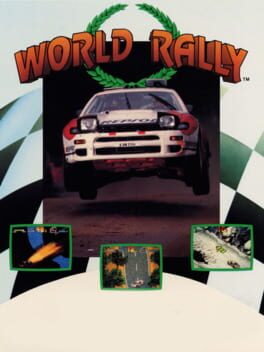
World Rally

Jump
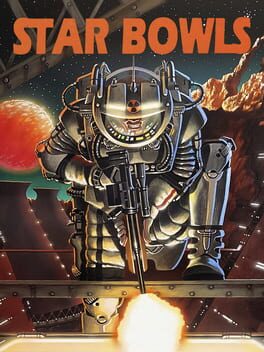
Star Bowls
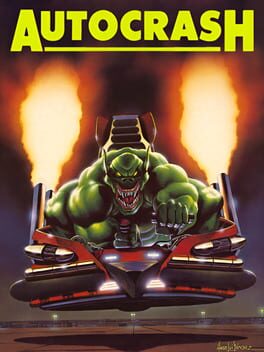
Autocrash

Piso Zero

F-1

Senda Salvaje

Jungle Warrior
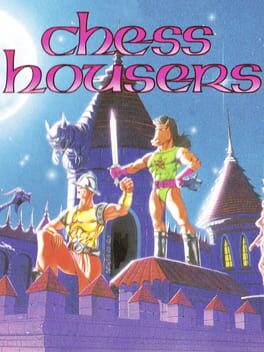
Chess Housers

Carlos Sainz

Sito Pons 500cc Grand Prix

Emilio Sanchez Vicario Grand Slam

Curro Jimenez
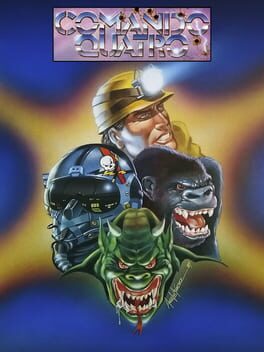
Comando Quatro
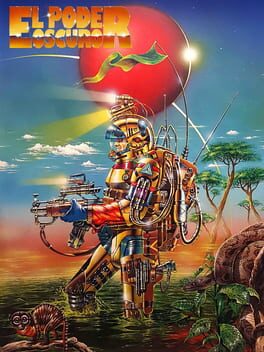
El Poder Oscuro

Paris-Dakar
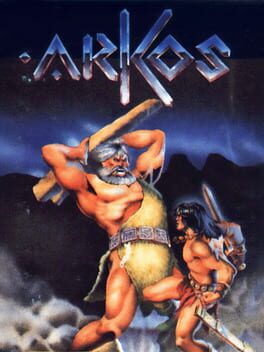
Arkos
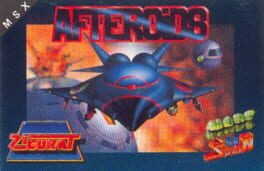
Afteroids