Analyzing Every Step of Zelda Tears of the Kingdom Walkthrough
Welcome to our Zelda Tears of the Kingdom guide, designed to tackle common roadblocks players encounter in the latest entry of Nintendo’s iconic series. While Tears of the Kingdom expands Hyrule’s ...
February 23, 2026 · 8 min read
Mom of two, gamer for life. I find the best games you can actually finish between school runs and bedtime stories.
Welcome to our Zelda Tears of the Kingdom guide, designed to tackle common roadblocks players encounter in the latest entry of Nintendo’s iconic series. While Tears of the Kingdom expands Hyrule’s boundaries and introduces groundbreaking mechanics, many challenges echo themes from past Zelda games. This article breaks down recurring problems, like puzzle-solving, resource management, and exploration, and pairs them with solutions drawn from the series’ best entries. Whether you’re stuck on a dungeon, overwhelmed by the open world, or need inspiration for creative gameplay, these games offer proven strategies. Let’s dive into the key titles that shape Tears of the Kingdom’s legacy and how they can help you conquer its challenges.
The Legend of Zelda: A Link to the Past

The Legend of Zelda: A Link to the Past
Nintendo EAD · St. GIGA
Nov 21, 1991
Venture back to Hyrule and an age of magic and heroes. The predecessors of Link and Zelda face monsters on the march when a menacing magician takes…
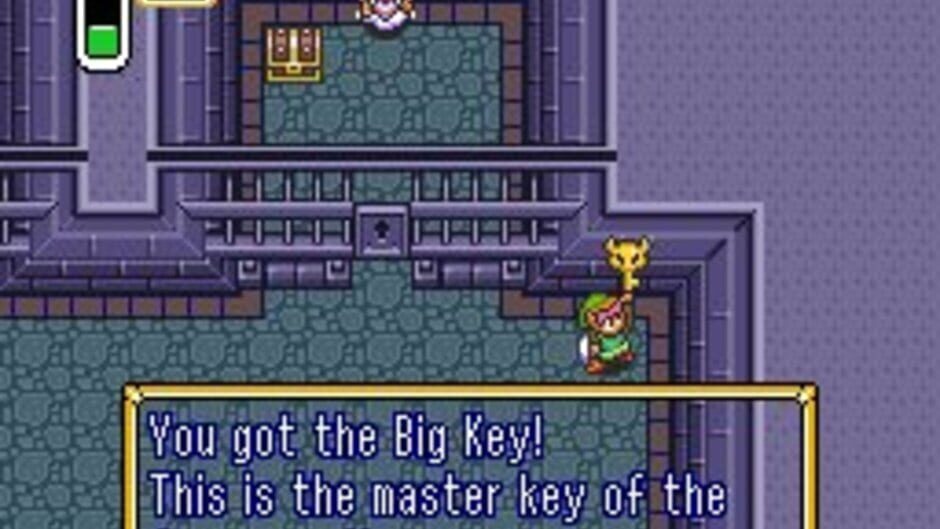
A Link to the Past (1991) is the cornerstone of the series’ puzzle-driven design. Its 2D world splits into two parallel maps via the Light and Dark Worlds, teaching players to backtrack and revisit areas with new tools. If you’re struggling with Tears of the Kingdom’s complex puzzle dungeons, A Link to the Past’s dungeon structure offers a blueprint: each boss room is preceded by a series of interlocking puzzles that require precise item usage. For example, the Thieve’s Hut in the Dark World teaches early-game item management, a skill that translates directly to Tears’ inventory system. The game’s fixed camera angle forces players to visualize spatial relationships, a skill critical for solving vertical puzzles in Tears’ expanded 3D environments.
What makes A Link to the Past special is its minimalist interface and emphasis on pure exploration. Unlike modern Zelda titles, it gives no hints, demanding players experiment with items like the Power Gloves to open hidden paths. This approach mirrors Tears of the Kingdom’s open-ended puzzle design, where tools like the Ultrahand and Zonai Devices require trial and error. If you’re overwhelmed by Tears’s branching paths, revisit A Link to the Past to sharpen your spatial reasoning and item-puzzle intuition. It’s a masterclass in how to balance simplicity with depth.
The Legend of Zelda: Breath of the Wild

The Legend of Zelda: Breath of the Wild
Nintendo EPD Production Group No. 3 · Nintendo
Mar 3, 2017
The Legend of Zelda: Breath of the Wild is the first 3D open-world game in the Zelda series. Link can travel anywhere and be equipped with weapons …
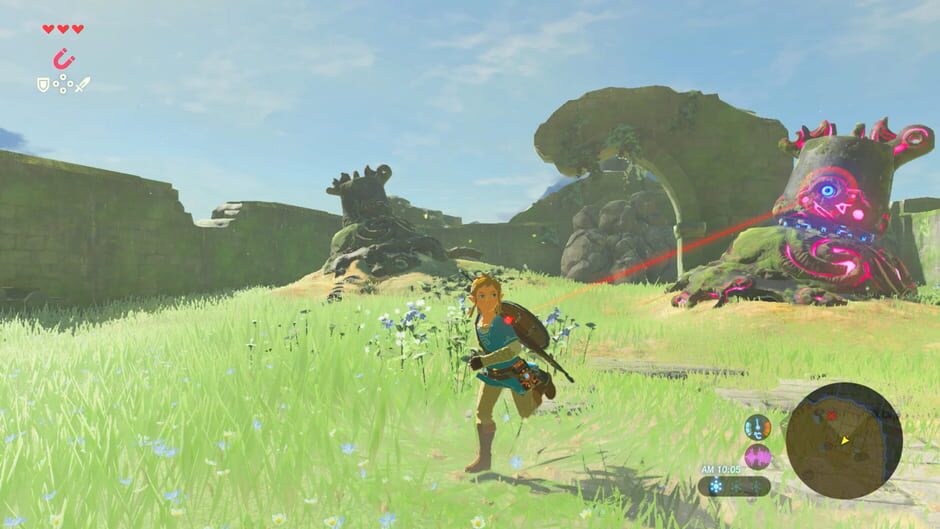
Breath of the Wild (2017) revolutionized the series by introducing physics-based gameplay and a near-limitless open world. If you’re struggling with Tears of the Kingdom’s resource management or dynamic weather system, BotW’s mechanics provide a foundation. For example, the game’s stamina-based climbing and gliding system, key to navigating Hyrule’s cliffs, returns in Tears but with added complexity. In BotW, players learn to conserve food and ammunition, a skill crucial for tackling Tears’ longer exploration sequences. The game’s combat system, which lets you exploit enemy weaknesses with elemental weapons, directly influences Tears’ expanded arsenal, including explosive tools and rune-based attacks.
What sets Breath of the Wild apart is its physics-driven creativity. Players can freeze enemies in a blizzard, use magnetism to stack objects, or launch foes with explosive arrows, strategies that carry over to Tears’ puzzle-solving. If you’re stuck on a shrine or side quest, revisit BotW to master the core loop of experimentation and improvisation. The game’s lack of hand-holding (e.g., no dungeon maps) prepares you for Tears’ abstracted quest markers. For players who prefer organic discovery over tutorials, BotW remains the definitive primer for Tears of the Kingdom’s design philosophy.
The Legend of Zelda: Tears of the Kingdom
The Legend of Zelda: Tears of the Kingdom
Nintendo EPD Production Group No. 3 · Nintendo
May 12, 2023
An epic adventure across the land and skies of Hyrule awaits in The Legend of Zelda: Tears of the Kingdom for Nintendo Switch. The adventure is you…
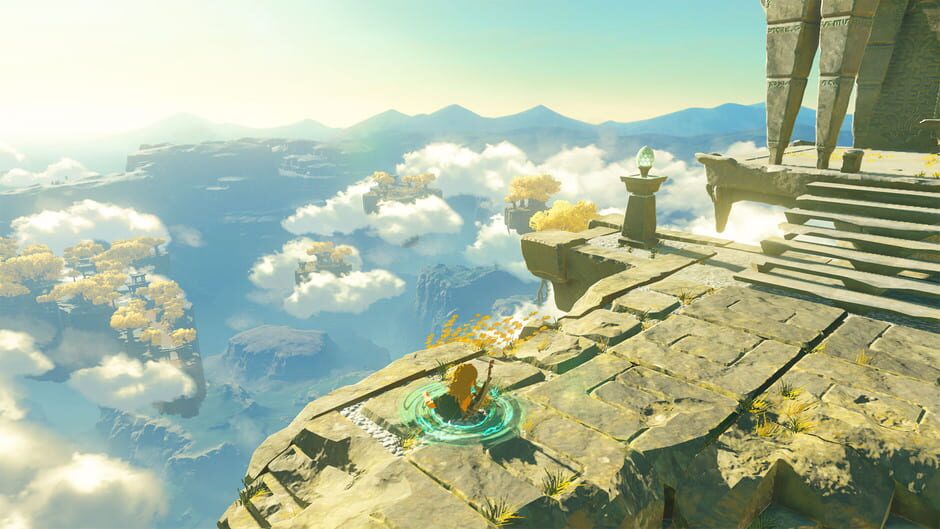
Tears of the Kingdom (2023) expands on BotW’s innovations with new tools like the Ultrahand, which lets you fuse objects to create bridges, mechanisms, or even makeshift weapons. If you’re struggling with the game’s environmental puzzles, remember that experimentation is key. For example, the game’s “Skyward Sword”-style tower climbing (returning from Ocarina of Time) requires precise stamina management, a skill honed in BotW. The game also introduces dungeons with vertical layers, a concept first refined in Link to the Past’s Light World-Dark World split. If you’re stuck on a boss fight, consider how BotW’s guardian battles taught you to prioritize elemental weaknesses, a principle still vital here.
What makes Tears of the Kingdom stand out is its emphasis on creative problem-solving. Unlike earlier Zelda games, it doesn’t just reward you for finding hidden rooms; it demands you invent new ways to use its tools. The Zonai Device, for instance, lets you scan environments for interactive elements, but its true power lies in combining it with the Ultrahand. If you’re overwhelmed by the game’s scale, break it into smaller goals: tackle one region’s puzzles before moving on. This approach mirrors Link to the Past’s incremental world design. For players who thrive on discovery, Tears offers the deepest blend of exploration and invention in the series.
The Legend of Zelda: Ocarina of Time
The Legend of Zelda: Ocarina of Time
Nintendo EAD · Nintendo
Nov 21, 1998
The Legend of Zelda: Ocarina of Time is the fifth main installment of The Legend of Zelda series and the first to be released for the Nintendo 64. …
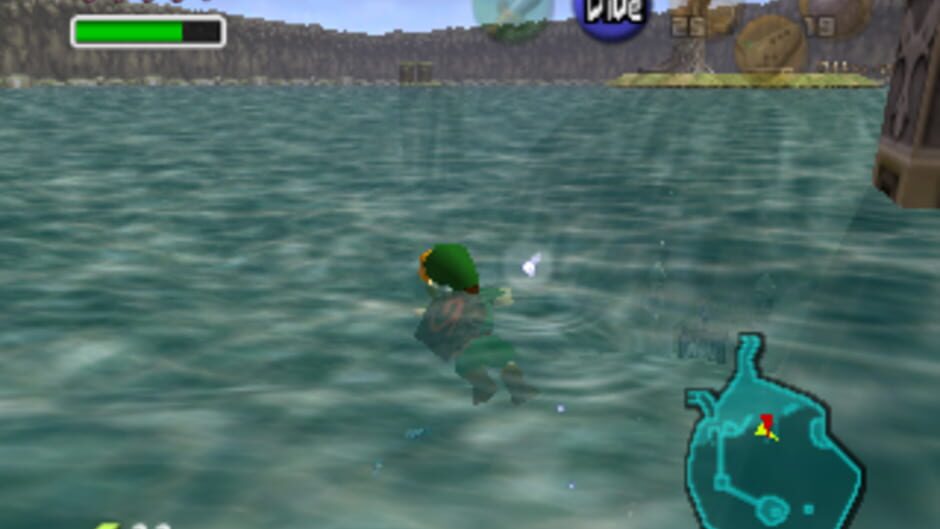
Ocarina of Time (1998) remains the series’ most influential title, introducing 3D combat and a timeline-shifting mechanic. If you’re struggling with Tears of the Kingdom’s time-based puzzles (e.g., adjusting the environment by moving the Master Sword), Ocarina of Time’s “adult” and “child” time splits offer a simpler version of the same concept. The game’s iconic dungeon design, like the Water Temple’s water-level puzzles, teaches players to manipulate environments, a skill directly applicable to Tears’ shifting terrain. Its 3D combat system, which requires precise sword slashes and shield parries, is also echoed in Tears’ refined melee mechanics.
What makes Ocarina of Time special is its storytelling through gameplay. The game’s use of the Ocarina to teleport or change the time of day is a precursor to Tears’ rune-based traversal. If you’re struggling with the game’s pacing, remember that Ocarina of Time’s fixed progression (e.g., acquiring items in a specific order) can help you structure your playthrough of Tears. The game’s iconic boss battles, like Ganon’s Tower and the Water Temple, also emphasize patience and environmental awareness, skills that carry over to Tears’ more complex challenges. For players who prefer structured progression, Ocarina of Time is a masterclass in pacing and design.
The Legend of Zelda: Ocarina of Time 3D
The Legend of Zelda: Ocarina of Time 3D
Grezzo · Nintendo
Jun 16, 2011
The Legend of Zelda: Ocarina of Time 3D is a remake of Ocarina of Time with more up-to-date graphics, streamlined UI and different additional game …
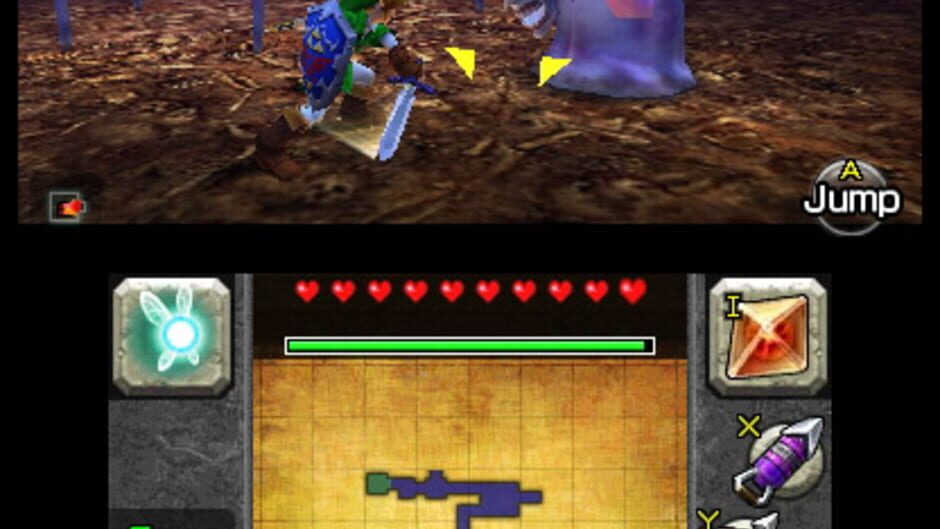
Ocarina of Time 3D (2011) is a refined port of the 1998 classic, with updated graphics, improved camera controls, and streamlined UI. If you’re struggling with Tears of the Kingdom’s camera system or inventory management, this remake offers a smoother learning curve. The game’s 3D dungeons, like the Water Temple, are restructured for clarity, teaching players how to navigate Tears’ more complex environments. Its touch-screen interface for map navigation is a precursor to Tears’ rune-based shortcuts, making it a useful reference for players who prefer intuitive controls.
What makes Ocarina of Time 3D stand out is its accessibility. The game introduces a “Z-targeting” system that lets you lock onto enemies and use the Zonai runes in Tears, a feature absent in the original. If you’re overwhelmed by Tears’ open world, Ocarina of Time 3D’s structured progression (e.g., obtaining items in a set order) can help you break the game into manageable sections. The remake also adds a “Secret Museum” mode with mini-games, teaching players to think creatively, skills that translate directly to Tears’ puzzle design. For players who want a smoother entry point into the series, this title is essential.
The Legend of Zelda: Tears of the Kingdom is a culmination of decades of innovation, but its roots lie in the series’ best entries. Whether you’re struggling with puzzle design, exploration, or combat, the games in this guide offer proven strategies. From Link to the Past’s spatial reasoning to BotW’s physics-driven creativity, each title contributes to Tears’ DNA. If you’re stuck, revisit these classics to sharpen your skills and rediscover the joy of unraveling Zelda’s timeless mysteries. Hyrule’s secrets await, go forth and conquer them.