Towerborne 1.0: Everything You Need to Know Before Tomorrow's Launch
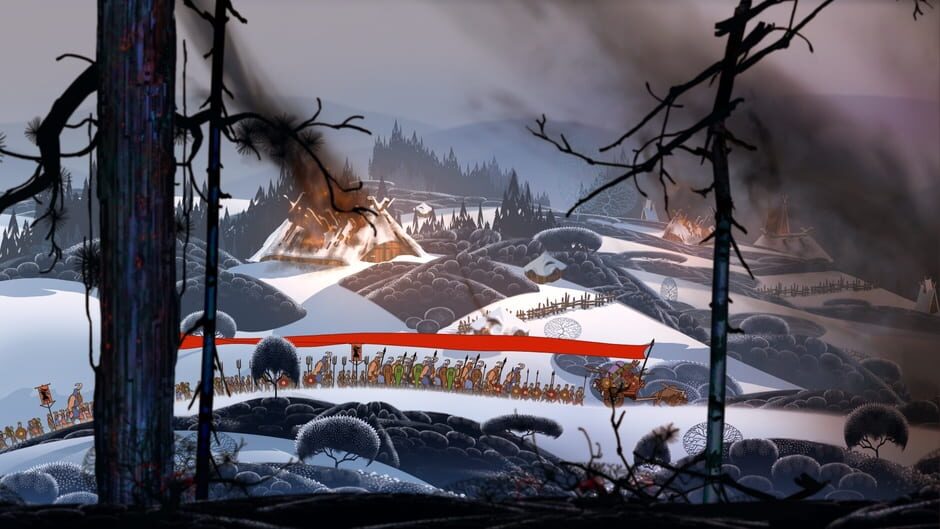
Stoic Studio spent years building one of the most gorgeous strategy RPG trilogies in gaming with the Banner Saga. Then they went and made a co-op action RPG, and honestly?
February 28, 2026 · 8 min read
Numbers guy who also happens to love games. I break down what makes a game worth your money with data, benchmarks, and honest analysis.
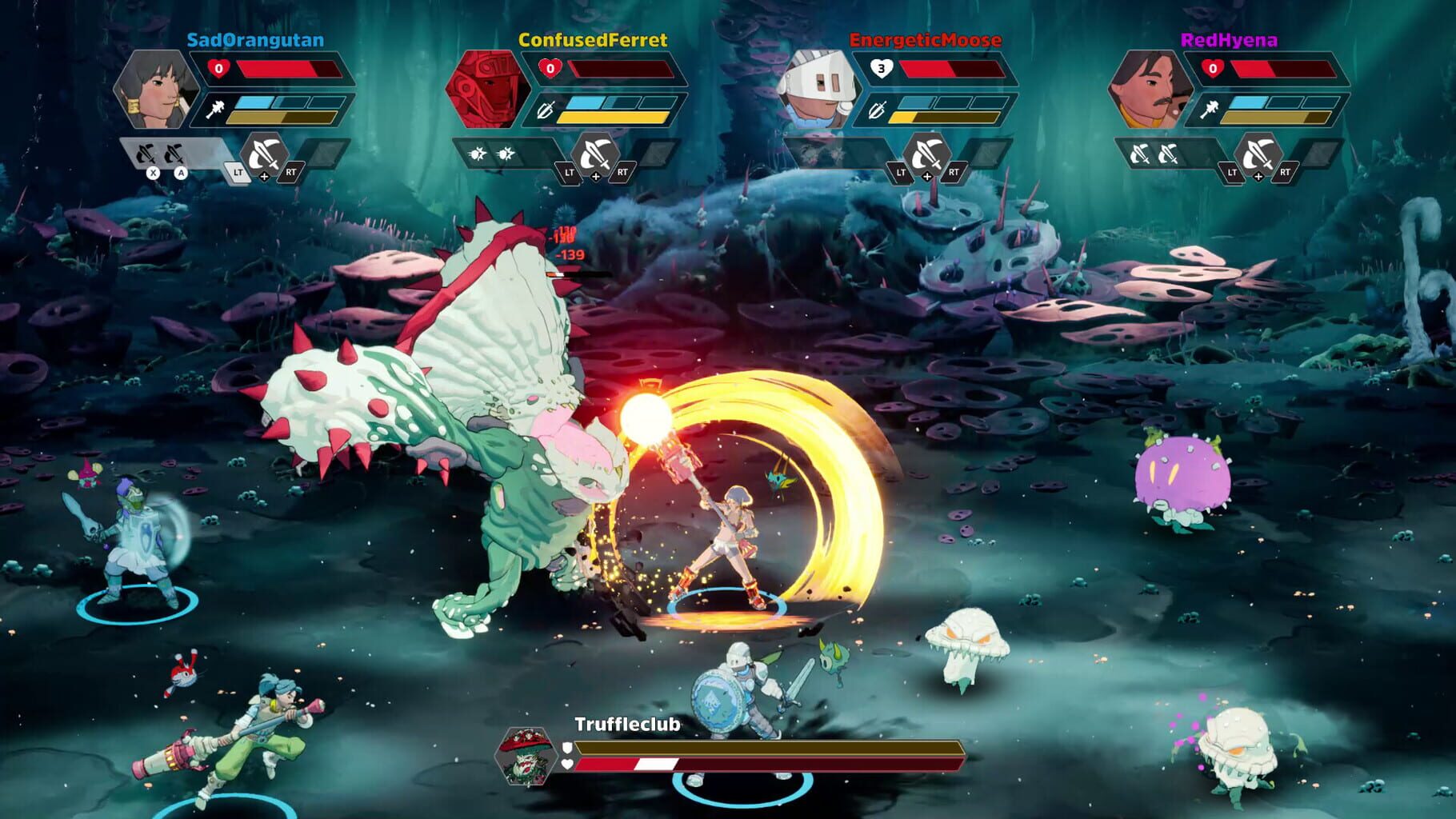
Stoic Studio spent years building one of the most gorgeous strategy RPG trilogies in gaming with the Banner Saga. Then they went and made a co-op action RPG, and honestly? It's kind of brilliant. Towerborne officially left early access on February 26, 2026, and the 1.0 release is a substantially different game from what launched in September 2024. If you bounced off the early access version or never got around to trying it, now is the time to pay attention.
What Exactly Is Towerborne?
Towerborne
Stoic · Xbox Game Studios
Sep 10, 2024
The Belfry stands as a beacon of hope and safety amongst the ruins of humanity and the City of Numbers, with monsters lurking right outside the tow…
Towerborne is a co-op action RPG built for up to four players. You're a hero called an Ace, resurrected by a massive tower called the Belfry to protect what remains of humanity. The world outside is overrun by creatures called the Bane, and your job is to push back the darkness through a series of expeditions across a ruined but visually stunning landscape.
The Banner Saga DNA shows up in unexpected places. The art style is gorgeous. Stoic's hand-painted aesthetic translates beautifully into a 2.5D action game, with layered backgrounds that have real depth and character designs that look like they belong in an animated film. Combat animations are fluid and weighty. Every swing of a hammer, every arrow fired, every spell cast has impact that you can feel through the controller.
But this isn't a strategy game. Towerborne plays like a modernized beat-em-up crossed with a loot-driven RPG. Think Castle Crashers meets Diablo, filtered through Stoic's unique artistic sensibility. You pick a class, gear up at the Belfry, and head out on expeditions that mix platforming, exploration, and intense combat encounters. Missions scale based on party size, so solo play is viable but the game clearly sings with a full group.
The Early Access Journey
Let's be real about this. Towerborne's early access launch in September 2024 was rough. The game had a solid foundation, but content was thin. You could see the skeleton of something great, but the meat wasn't there yet. The endgame loop was repetitive, the loot system felt generic, and matchmaking had issues that made co-op frustrating for players without a dedicated friend group.
Stoic acknowledged all of this publicly and committed to a transparent development roadmap. Over the next seventeen months, they delivered. Regularly. Every major update addressed specific community complaints while adding substantial new content. It was the kind of early access development that makes you believe in the model again after so many games have abused it.
The community stuck around, too. The Towerborne Discord became one of those rare positive gaming spaces where players shared builds, reported bugs constructively, and actually helped new players learn the systems. Stoic's community managers were active daily, and developer responses to feedback were genuinely thoughtful. That relationship between studio and players shaped the 1.0 release in meaningful ways.
What Changed in 1.0
Nearly everything. The bones are the same, but 1.0 is a comprehensive overhaul that touches every system in the game.
The Class System: Early access launched with four base classes. Version 1.0 has six, with each class now branching into two specializations at level 15. The Shieldbearer can spec into either a pure tank role or a support hybrid that buffs nearby allies. The Shadowstriker splits between burst damage assassination and a sustained DPS path with poison mechanics. Every class feels distinct, and the specialization choices create real build diversity that the early access version lacked entirely.
The Loot Overhaul: This is the big one. Early access loot was boring. Stats went up, numbers got bigger, but gear rarely changed how you played. The 1.0 loot system introduces Relics, which are equipment pieces with unique modifiers that alter your abilities. A Relic gauntlet might make your heavy attack leave a burning zone on the ground. A Relic helm could cause your dodge to leave behind a decoy that draws aggro. Suddenly gear decisions matter because they change your gameplay, not just your damage numbers.
The Belfry: Your home base has been completely redesigned. It's no longer just a hub with NPCs standing around. The Belfry is a living community that grows and changes based on your progress. New wings unlock as you complete story chapters. NPCs have daily routines, relationships with each other, and side quests that reveal lore about the world. The crafting stations, previously scattered randomly, are now organized in a workshop district that expands as you invest resources. It feels like a place worth protecting, which makes the narrative stakes land harder.
Expedition Variety: Early access had maybe a dozen unique expedition environments. Version 1.0 has over forty, spread across five distinct biomes. Each biome has its own enemy types, environmental hazards, and visual identity. The Drowned Coast sends you through flooded ruins where water levels rise during combat, forcing you onto higher platforms. The Ashlands feature volcanic terrain where the ground cracks and shifts. No two biomes play the same way, and expedition modifiers add further variety on repeat runs.
The Story: Stoic actually wrote a full campaign for 1.0. Early access had story beats but no real narrative arc. The finished game has roughly 20 hours of story content with fully voiced cutscenes, branching dialogue options, and narrative consequences that affect the Belfry and its inhabitants. The writing is mature without being grimdark. Characters have personality, humor exists naturally alongside genuine stakes, and the central mystery of the Belfry's origins kept me engaged through the entire campaign.
Co-Op Is Where It Shines
Solo play works. The AI companions are competent enough to handle most content, and the difficulty scaling ensures you're never overwhelmed. But Towerborne was built for co-op, and playing with other humans transforms it.
Class synergies in a full party create moments that feel earned. A Shieldbearer pulls aggro and groups enemies together. The Stormcaller drops an area ability that slows everything in range. The Shadowstriker dashes through the cluster dealing amplified damage to slowed targets. The Lifewarden keeps everyone topped off while contributing their own damage from range. When a party clicks, combat becomes a coordinated dance that's intensely satisfying.
Matchmaking in 1.0 is dramatically improved. You can queue for specific expeditions or opt into a quick-play system that pairs you with players running appropriate content for your level. A ping-based communication system lets you coordinate without voice chat, and it's intuitive enough that pickup groups can handle challenging content without much friction.
The endgame introduces Siege expeditions, which are longer, multi-stage missions designed exclusively for coordinated groups. These are the closest thing Towerborne has to raid content, and they're excellent. Each Siege has unique mechanics that require specific roles and communication. The rewards are proportionally better, including exclusive Relics that only drop from Siege content.
Why Towerborne Matters
The co-op action RPG space has been dominated by a handful of franchises for years. Monster Hunter, Destiny, and Diablo own this territory. Towerborne isn't trying to compete with those games on scale. It doesn't have hundreds of hours of endgame grinding or seasonal content cadences measured in years. What it has is personality, mechanical precision, and a respect for the player's time.
A full expedition takes 15 to 30 minutes. You can make meaningful progress in a single session. The progression curve is generous without being trivial. You're constantly getting new Relics to experiment with, new expeditions to tackle, new Belfry upgrades to unlock. It's a game that rewards consistency over marathon sessions, and that's increasingly rare in this genre.
Stoic also deserves credit for their business model. Towerborne is a full-price game with no microtransactions. All future content updates are included. In a genre plagued by battle passes, seasonal FOMO, and cash shop cosmetics, that's a statement. It says Stoic believes their game can sustain itself on quality alone. Based on the 1.0 release, they're right.
Technical Performance
The game runs beautifully across all platforms. PS5 and Xbox Series X both hit a locked 60fps at 4K with Stoic's art style looking particularly vibrant on HDR displays. Series S targets 1440p at 60fps and holds steady outside of the most chaotic Siege encounters. PC performance is well-optimized with extensive graphics options. My mid-range rig (RTX 3070, Ryzen 5 5600X) ran maxed settings at 1440p without breaking a sweat.
Cross-play between all platforms is active at launch. Cross-save is available between PC and Xbox through your Microsoft account, with PlayStation cross-save planned for a post-launch update. Load times are snappy on all platforms with SSD storage, typically under ten seconds to load into any expedition.
The Verdict So Far
Towerborne 1.0 is the game Stoic promised and then some. The early access period was genuinely used to develop and refine, not just to generate early revenue on an unfinished product. What's here now is a polished, content-rich co-op experience with personality to spare. The Relic system gives loot chasing actual meaning. The class specializations create real build diversity. The Belfry makes you care about the world you're defending.
Stoic took a risk leaving the strategy RPG genre that made their name. It paid off. Towerborne is its own thing, confident and complete, and it's one of the best co-op games I've played in years. Grab some friends and give it a shot.