GameMill Entertainment
At GameMill Entertainment, we’ve established a proven track record for leveraging the equity of some of the world’s most beloved brands in the $100 billion video game market. Our team of industry professionals working in partnership with the industry’s top developer talent enables us to nimbly bring to life games that delight die-hard and casual gamers alike.
GameMill Entertainment at a Glance
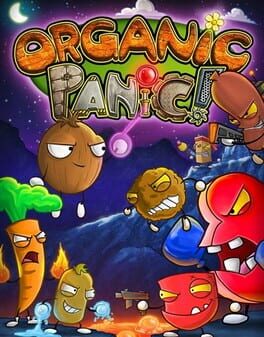
GameMill Entertainment has been active in the industry since 2003, though they were founded in 2001. This US-based publisher lists 62 titles on PlayPile, with only two credits as a developer. The majority of their work involves publishing games for major brands. Their output grew slowly at first, releasing just five titles during the 2000s. That number jumped to 22 games in the 2010s and reached 35 releases in the 2020s. They now span almost every major console generation from the Wii to the PlayStation 5 and Xbox Series X|S, with PC being their most supported platform at 45 titles. The company focuses heavily on licensed properties rather than original IP. Their top genres include Adventure with 26 games, followed by Sport with 19 titles. They also produce a significant number of Arcade, Racing, and Platform games. Recent releases show a heavy reliance on Nickelodeon and Hasbro brands. Titles like Hot Wheels Let's Race: Ultimate Speed and various versions of Snoopy & The Great Mystery Club appeared in late 2025. Their highest-rated games reflect this strategy. Goosebumps: Terror in Little Creek holds a score of 76, while the Nickelodeon Kart Racers series and Nickelodeon All-Star Brawl 2 all sit above 75 points. Despite these hits, the overall quality trend for GameMill Entertainment is mixed to poor. Their average IGDB rating across 26 rated titles sits at 53.9 out of 100. The breakdown shows zero games rated as great. They have only twelve titles in the good range, nine that are mixed, and five classified as poor. This suggests that while they can produce solid licensed entries like Organic Panic or their recent Nickelodeon fighting game, a large portion of their catalog underperforms. Their bio claims to leverage beloved brands to delight gamers, but the data shows a wide disparity between their best work and the rest of their library. They continue to release games frequently through 2025, but the average player might find more consistency in specific genres or specific brand partnerships than in their entire back catalog.
Genre Breakdown
Platform Spread
Release Timeline
Rating Distribution
Highest Rated Titles
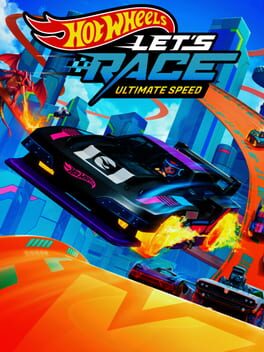
Hot Wheels Let’s Race: Ultimate Speed
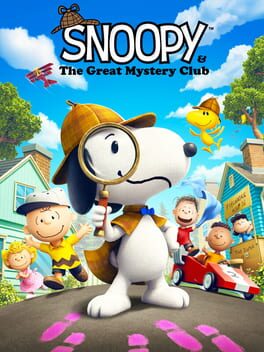
Snoopy & The Great Mystery Club
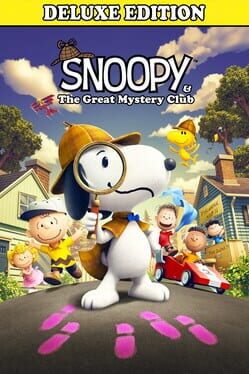
Snoopy & The Great Mystery Club: Deluxe Edition

Snoopy and the Great Mystery Club
 7.0
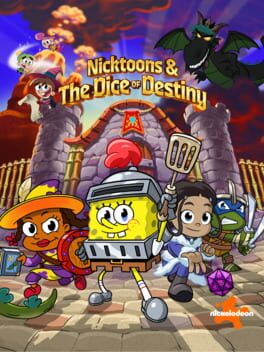
7.0Nicktoons & The Dice of Destiny
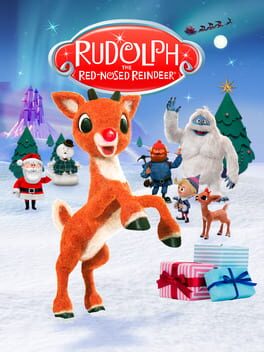
Rudolph the Red-Nosed Reindeer
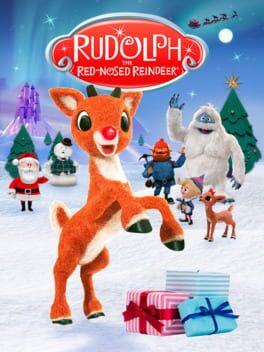
Rudolph the Red-Nosed Reindeer
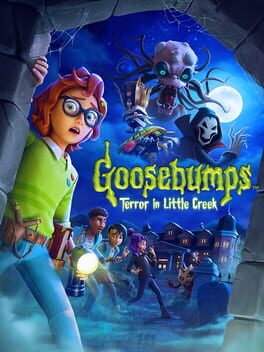 7.6
7.6Goosebumps: Terror in Little Creek
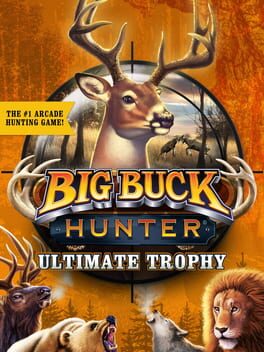
Big Buck Hunter: Ultimate Trophy
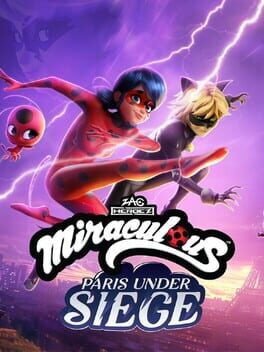 7.0
7.0Miraculous: Paris Under Siege
 6.0
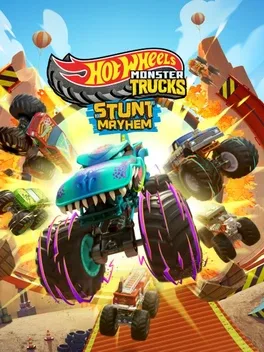
6.0Hot Wheels Monster Trucks: Stunt Mayhem
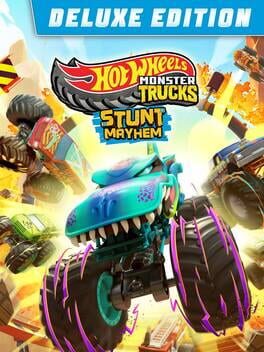
Hot Wheels Monster Trucks: Stunt Mayhem - Deluxe Edition
 5.5
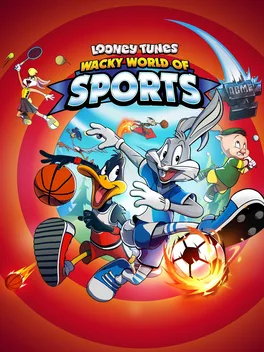
5.5Looney Tunes: Wacky World of Sports
 6.3
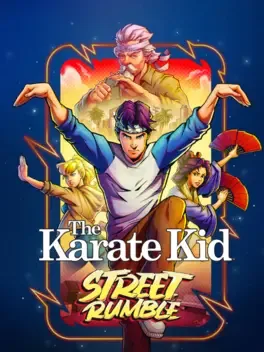
6.3The Karate Kid: Street Rumble
 6.3
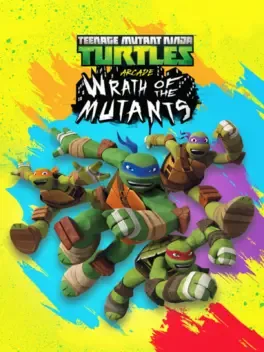
6.3Teenage Mutant Ninja Turtles Arcade: Wrath of the Mutants
 3.3
3.3The Walking Dead: Destinies
 7.5
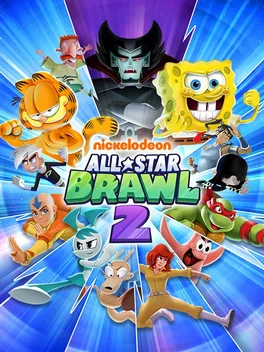
7.5Nickelodeon All-Star Brawl 2
Nickelodeon All-Star Brawl 2: Ultimate Edition
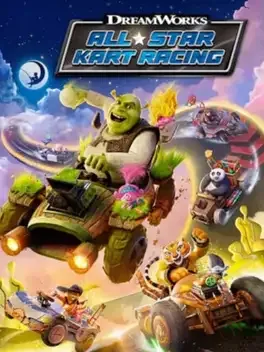
DreamWorks All-Star Kart Racing
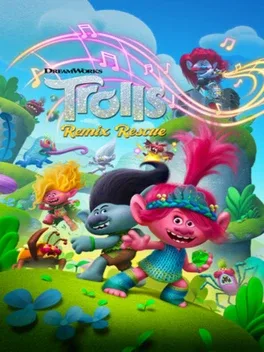
Trolls Remix Rescue
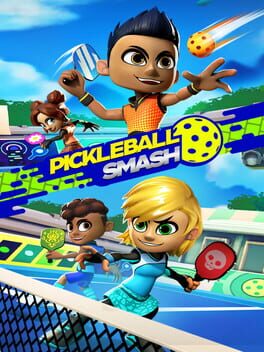
Pickleball Smash
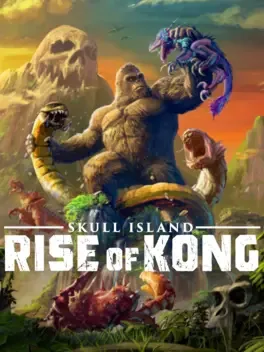 1.5
1.5Skull Island: Rise of Kong
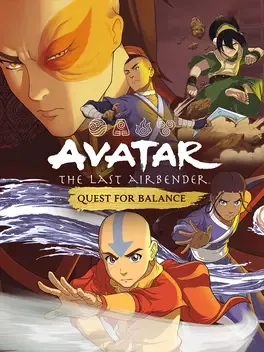
Avatar: The Last Airbender - Quest for Balance

NASCAR Arcade Rush
Cobra Kai 2: Dojos Rising
 5.6
5.6Miraculous: Rise of the Sphinx
 7.5
7.5Nickelodeon Kart Racers 3: Slime Speedway
NHRA Championship Drag Racing: Speed for All
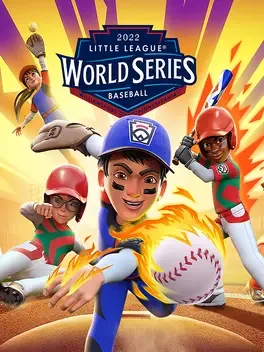
Little League World Series Baseball 2022
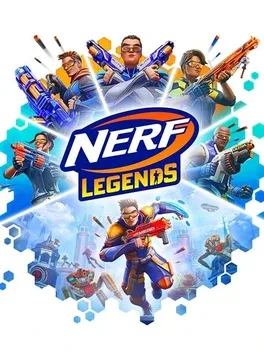
Nerf Legends
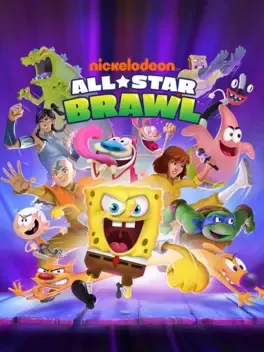 6.8
6.8Nickelodeon All-Star Brawl
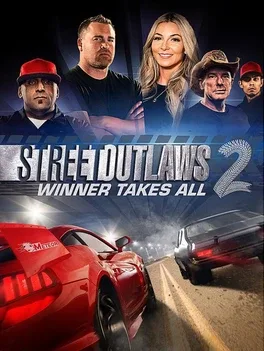
Street Outlaws 2: Winner Takes All
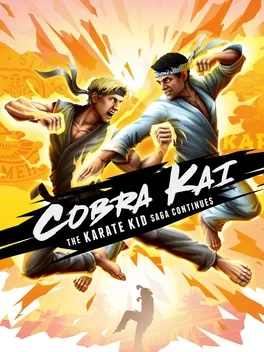 63
63Cobra Kai: The Karate Kid Saga Continues
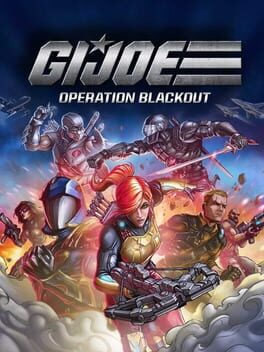 4.7
4.7G.I. Joe: Operation Blackout
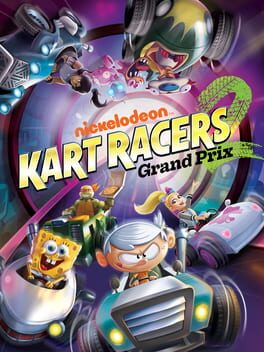 7.6
7.6Nickelodeon Kart Racers 2: Grand Prix
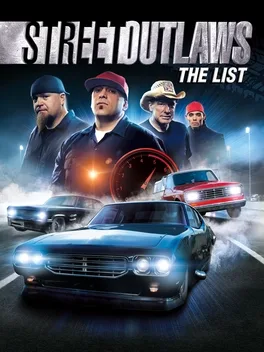 4.5
4.5Street Outlaws: The List
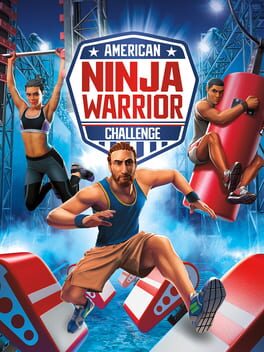
American Ninja Warrior: Challenge
 4.6
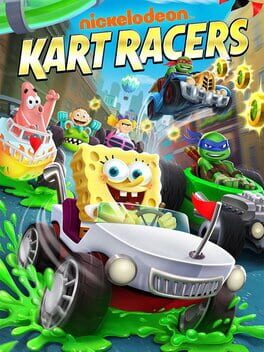
4.6Nickelodeon Kart Racers
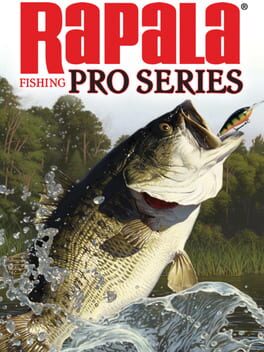
Rapala Fishing: Pro Series
 6.0
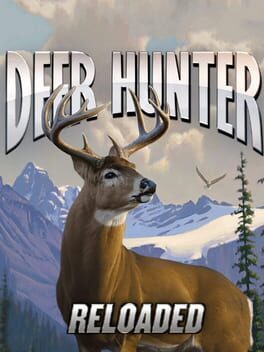
6.0Deer Hunter Reloaded
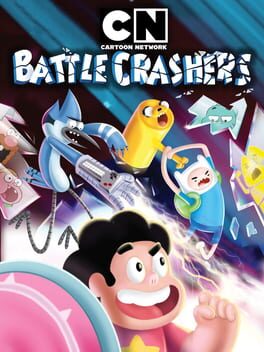 2.8
2.8Cartoon Network: Battle Crashers
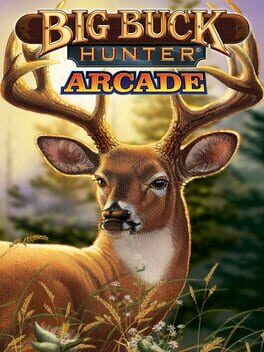 5.0
5.0Big Buck Hunter Arcade
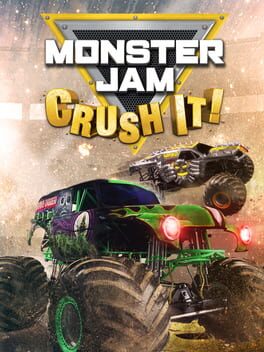 5.0
5.0Monster Jam: Crush It!
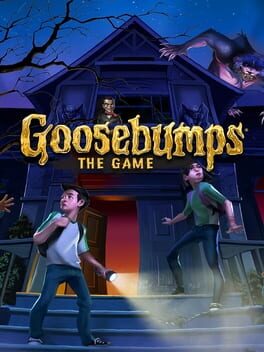 3.5
3.5Goosebumps: The Game
 5.0
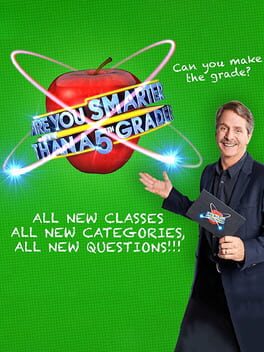
5.0Are You Smarter Than a 5th Grader?
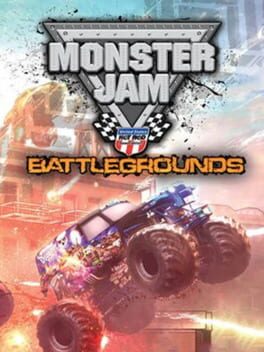
Monster Jam Battlegrounds
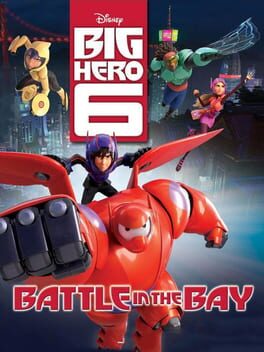
Big Hero 6: Battle in the Bay
 7.3
7.3