Media Factory
Media Factory (メディアファクトリー, Mediafakutorī), formerly known as Media Factory, Inc. (株式会社メディアファクトリー, Kabushiki gaisha Mediafakutorī), was a Japanese publisher and brand company of Kadokawa Future Publishing. The company was founded on December 1, 1986, and was a subsidiary of Recruit Co., Ltd., based in Shibuya, Tokyo. Media Factory was possibly the first anime distributor to ask for sites to not link to fansubs of any anime produced by the company. On October 12, 2011, Media Factory was purchased by Kadokawa Corporation for ¥8,000,000,000. Media Factory also has a monthly manga magazine, Monthly Comic Alive, and its own light novel imprint, MF Bunko J. Media Factory also holds the license for the distribution of The 39 Clues in Japan. Media Factory ceased being a kabushiki gaisha, as well as retired the Pokémon anime series on October 1, 2013, when it was merged with eight other companies to become a brand company of Kadokawa Corporation. It had a record label, Pikachu Records, that produced Pokémon CDs and Pokémon soundtracks in Japan from 1997 to 2012. Most Pokémon albums in Japan came from Pikachu Records during this period. It was retired when Media Factory was purchased by Kadokawa Corporation. On August 17, 2021, the website for Media Factory was officially closed with a notice directing readers to Kadokawa's website for future products and services.
Media Factory at a Glance
Media Factory is a Japanese company that operated as a publisher and developer from 1999 to 2011. Founded in 1986, the business grew from its early days into a subsidiary of Recruit Co., Ltd. before being acquired by Kadokawa Corporation in 2011 for eight billion yen. While the company had a broader presence with manga magazines and music records, their video game output on PlayPile is limited to just 20 titles. They released three games in the 1990s, fifteen during the 2000s, and only two in the 2010s before ceasing operations as an independent entity in 2013. Their catalog shows a wide but shallow focus across many genres. The company published or developed three Adventure games, three Puzzle titles, three Strategy games, and three Sport entries. They also made two Card & Board Game releases, two Simulator titles, and two Racing games. Smaller outputs include one Role-playing game, one Hack and slash title, and one Fighting game. This lack of specialization means they did not dominate any single category but instead spread their efforts across the board. The platform distribution highlights a heavy reliance on Sony hardware with seven PlayStation games and three for PlayStation 3. They also released four titles for the Game Boy Color, two each for the Xbox 360 and the obscure e-Reader, and smaller numbers for the Nintendo 64, Super Famicom, PlayStation 2, 64DD, and a Handheld Electronic LCD device. Recent releases like Machi-ing Maker 4 and Metropolismania 4 from November 2011 appear at the very end of their activity window. There is no evidence in the provided data regarding critical reception scores for these titles. The company appears to have focused on licensed properties or specific niche genres rather than building a reputation for high-quality original franchises. Their output volume was modest compared to major industry players, and they stopped releasing games shortly after their acquisition. The closure of their website in 2021 marks the end of an era for this brand, which once held Pokémon distribution rights in Japan before merging into Kadokawa's structure. Players looking for their specific titles will find a small collection spread across older hardware platforms from the turn of the millennium.
Genre Breakdown
Platform Spread
Release Timeline
Metropolismania 4

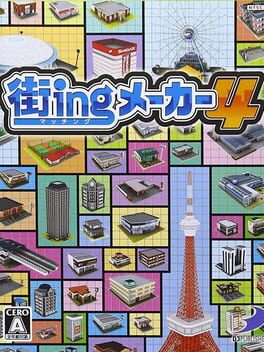
Machi-ing Maker 4

Construction: Action

Go, Poliwrath!

Derby Stallion 64
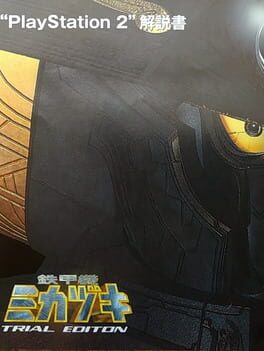
Tekkouki Mikazuki Taikenban
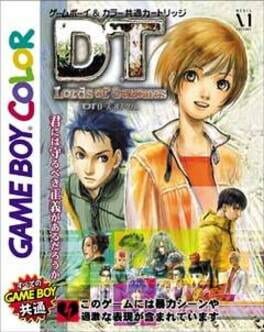
DT: Lords of Genomes
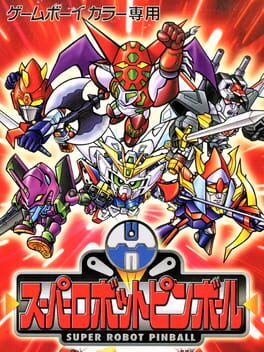
Super Robot Pinball

Enen Angel
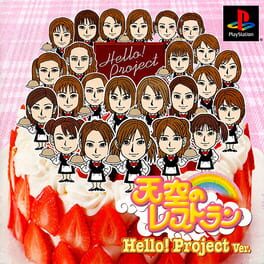
Tenkuu No Restaurant: Hello! Project Version
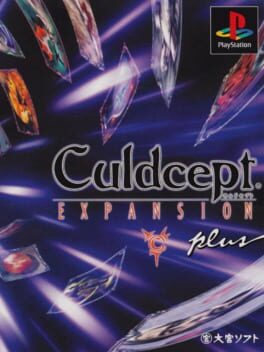
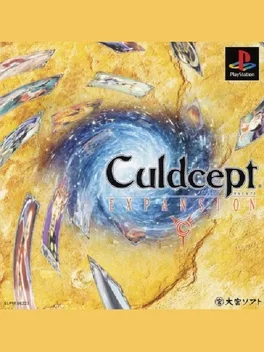
Culdcept Expansion Plus
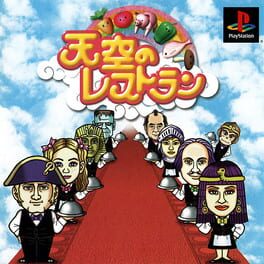
Tenkuu No Restaurant
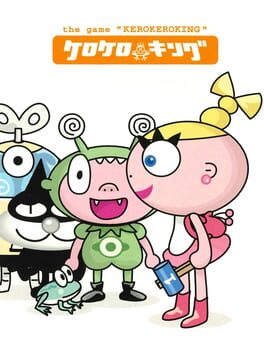
Kero Kero King

Reikoku: Ikeda Kizoku Shinrei Kenkyuujo

Sakura Taisen GB: Geki Hanagumi Nyuutai!
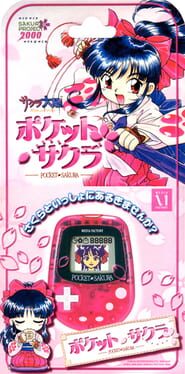
Pocket Sakura

Japan Pro Golf Tour 64
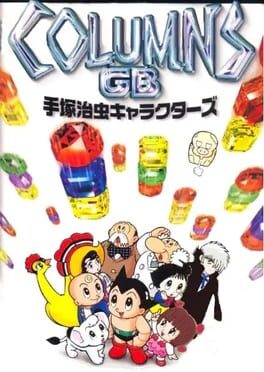
Columns GB: Tezuka Osamu Characters
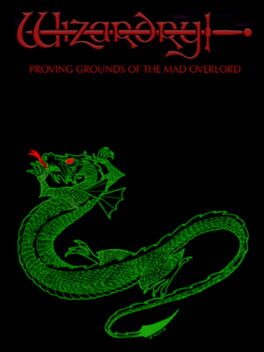
Wizardry: Proving Grounds of the Mad Overlord