Nintendo SPD
The Nintendo Software Planning & Development Division (Japanese: 任天堂 企画開発本部 Hepburn: Nintendō Kikaku Kaihatsu Honbu, lit. Nintendo Planning and Development Division) (commonly abbreviated to Nintendo SPD) was a research, planning and development division housed inside the Nintendo Development Center in Kyoto, Japan. The division had two departments: Software Planning & Development Department, which primarily co-produced games with external developers; and Software Development & Design Department, which primarily developed experimental and system software. The division was created during a corporate restructuring in September 2003, with the abolition of the Nintendo R&D1 and Nintendo R&D2 departments.
Nintendo SPD at a Glance
Nintendo SPD operated as an internal division of Nintendo based in Kyoto, Japan. Founded in September 2003 following a corporate restructuring that removed the older R&D1 and R&D2 departments, this group focused on research, planning, and development until its activities ceased around 2017. The team did not publish games under its own name but developed 16 titles listed on PlayPile. Their work spanned from 2004 to 2017, with the majority of their output occurring in the 2010s. They released only three games during the 2000s compared to twelve in the 2010s, showing a clear shift toward higher production volume in the second decade of their existence. The division concentrated heavily on Nintendo handheld systems and older consoles rather than modern platforms. Their catalog includes five games for the Nintendo 3DS and another five for the Wii U. They also released three titles each for the Nintendo DS and Nintendo DSi, along with single releases for the Game Boy Advance and the original Wii. In terms of genre, Puzzle games were their most common focus with six entries. They also produced four Strategy titles and several others in Adventure, Platform, and Role-playing genres. Their portfolio included niche categories like Music and Quiz/Trivia games as well. Quality varies significantly across their work. The average rating for the 12 titles that have scores is 70.9 out of 100. Four games achieved great ratings above 80, while six others fell into the good range between 60 and 79. However, they also have one mixed title scoring in the 40s and one poor game below 40. Their highest-rated projects include Fire Emblem Fates: Birthright with an 85.3 score and Fire Emblem Fates: Conquest at 85.1. X-Scape from 2010 also scored highly at 83, and Pushmo World reached 80.1 in 2014. Other notable entries like Daigasso! Band Brothers (2004) and Kirby and the Rainbow Curse (2015) received solid scores around 75 to 76. Recent releases show a decline in average quality compared to their peak years. Dr Kawashima's Devilish Brain Training from July 2017 scored just 66, and Mario Party 10 from March 2015 received a 63. These lower scores contrast with the strong performance of their Fire Emblem titles released in June 2015. The division produced a mix of experimental software and co-produced games through its two internal departments before ending operations in the mid-2010s.
Genre Breakdown
Platform Spread
Release Timeline
Rating Distribution
Highest Rated Titles

 6.6
6.6Dr Kawashima's Devilish Brain Training
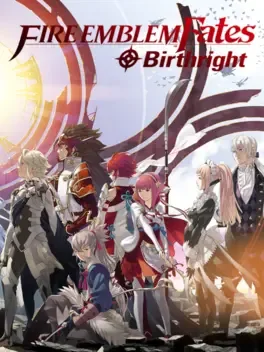 86
86Fire Emblem Fates: Birthright
 87
87Fire Emblem Fates: Conquest
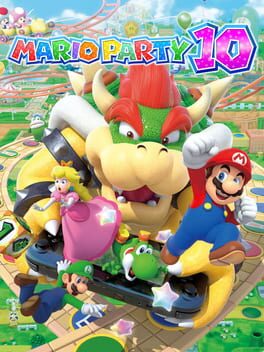 6.3
6.3Mario Party 10
 7.5
7.5Kirby and the Rainbow Curse
 3.5
3.5Nintendo Badge Arcade
 7.1
7.1Fatal Frame: Maiden of Black Water
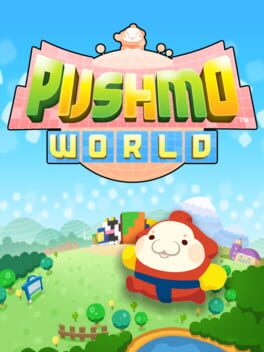 8.0
8.0Pushmo World
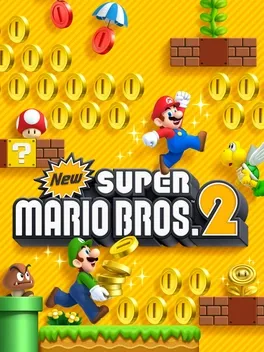 7.5
7.5New Super Mario Bros. 2
Kiki Trick
 5.6
5.6Art Academy
 8.3
8.3X-Scape
Brain Age Express: Sudoku

Touch Solitaire
 7.6
7.6Daigasso! Band Brothers