npckc
npckc (pronouns they/she) is a solo developer based in japan making little story games. their games can be found on itch.io, steam, google play & consoles. they also provide translation, review, writing & design services.
npckc at a Glance
npckc is a Japanese studio that has released 41 titles since starting their work in 2017. Their profile lists them as both a developer and publisher for these projects, with the majority of releases appearing under their own development banner. The company operates as a solo team led by an individual who uses they/she pronouns. This person focuses on creating small narrative games that often fall into the indie category. They also offer services for translation, review, writing, and design to other creators. Their catalog shows a clear preference for story-driven experiences across several genres. Adventure titles make up 22 of their games, while 20 entries are classified as visual novels. Indie accounts for 23 releases, and they have also explored simulator, role-playing, point-and-click, arcade, puzzle, and turn-based strategy themes. Platform support is broad but leans heavily toward open systems. They have released 27 games for Windows, 26 for Mac, and 25 for Linux. Web browser versions account for 20 titles, with smaller numbers for Android, Game Boy, Nintendo Switch, PlayStation, and Xbox consoles. The company's output has grown over time. They published 16 games during the 2010s and followed this with 25 releases in the 2020s. Their most recent activity includes titles like The Servers Are Shutting Down in 24 Hours but My Pull Rate's Been Set to 0.0001%?!, Megane Breaker, and Picogori 2025. Earlier works include One Night, Hot Springs from 2018 and Last Day of Spring from 2019. Quality ratings on the platform reflect a modest reception. Only two games have received IGDB scores so far. Both titles fall into the good range rather than achieving great status. One Night, Hot Springs holds a score of 70.1 out of 100, while Last Day of Spring sits at 68. There are no mixed or poor rated games in their current data set, but the absence of high scores suggests their work does not consistently reach top-tier acclaim. The small sample size means these numbers may shift as more titles are reviewed.
Genre Breakdown
Platform Spread
Release Timeline
Rating Distribution
Highest Rated Titles
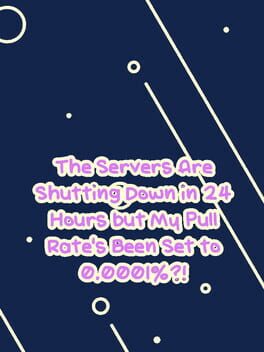
The Servers Are Shutting Down in 24 Hours but My Pull Rate's Been Set to 0.0001%?!
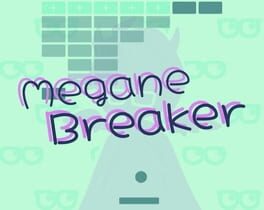
Megane Breaker
Picogori 2025
Days of Saturn
Marron's Day
You're Just Imagining It
2/29
Snack Machine Change
Mew's Under The Truck
Plastic Tape
You are Dough
Stuck in the Airport
Wednesday Night
Ghostfriend
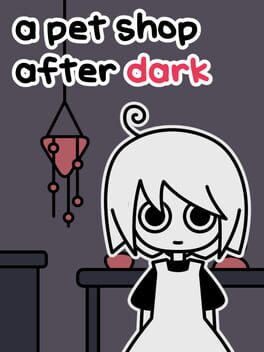
A pet shop after dark
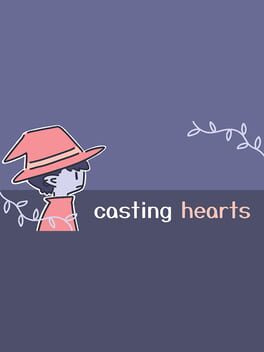
Casting Hearts

Mima and Nina's Chocolate Workshop
Little Boats of Farewell
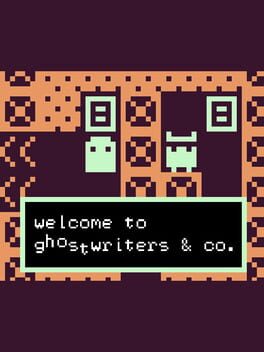
Ghostwriters & Co.
Wanrobo
Tong Jyun
The Shop of Good Memories
Space Frog!

A Letter of Challenge
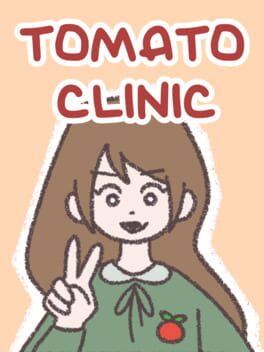
Tomato Clinic
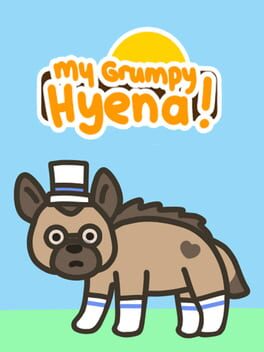
My Grumpy Hyena!

Spring Leaves No Flowers
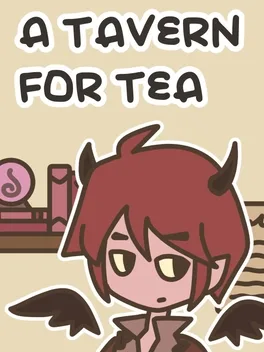
A Tavern for Tea
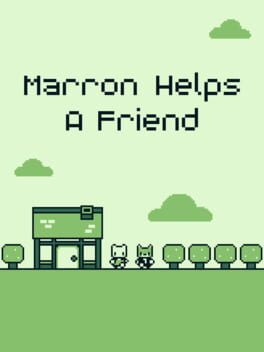
Marron Helps a Friend
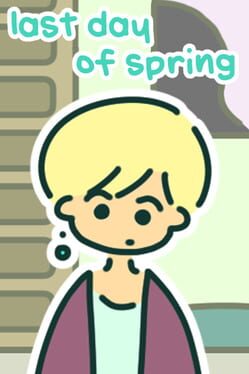
 6.8
6.8Last Day of Spring
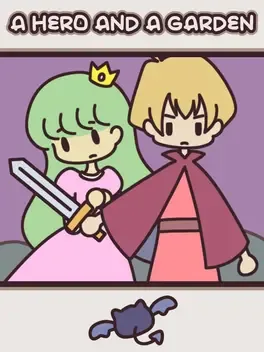
A Hero and a Garden
Lilac & Her Light
 7.0
7.0One Night, Hot Springs
Penguin Cafe
Two girls make a game
Cleaning house
Ghosts in the Garden

Magical Witch Bell and Her Non-Magical Friends
You Should Eat Breakfast

Bunnysitting