
NTT Solmare Corp.
Our vision is to deliver the most romantic experiences to all who wish to love and be loved. With our dating simulation series Shall we date? and visual novel Moe! Ninja Girls as stepping stones, we are taking a new step every day in this long journey to provide every dreamer with excitement. We strive to earn continuous support from everybody around the world, expanding our reaches to their dreams and ours.
NTT Solmare Corp. at a Glance
NTT Solmare Corp. is a Japanese publisher and developer founded in 2002 that has released 53 games on PlayPile. The company focuses heavily on mobile platforms with 53 titles for Android and 52 for iOS. They also have a small presence on web browsers, PC, and older Sony handhelds like the PlayStation Portable and PlayStation Vita. Their catalog is dominated by the visual novel genre with 52 games listed under that category. Adventure games make up 15 of their releases, while role-playing and simulator titles account for only two each. Music games represent a single entry in their portfolio. The publisher was active from 2010 to 2023. Their output changed significantly over time as they released 47 games during the 2010s but only six titles in the 2020s. Recent releases include Obey Me! Nightbringer in April 2023, followed by several older entries from 2020 such as Moe! Ninja Girls RPG and The Last Sacrifice: Blood King's Treasure. The Shall we date? series appears multiple times in their recent history with titles like The World or You and Rewind released around March and January of that year. Despite the company vision statement promising romantic experiences and a journey to provide excitement, their actual output has slowed down considerably in recent years. The data shows a sharp drop from 47 games in one decade to just six in the next. While they have maintained a consistent focus on visual novels for over a decade, the lack of new releases in the 2020s suggests a reduced production pace. Their genre selection remains narrow with almost all content falling into the visual novel and adventure categories. There are no rating scores provided in the data to evaluate quality trends, so one cannot determine if their recent or older titles received great or poor reception from players. The company appears to have shifted away from high-volume development after their peak in the 2010s.
Genre Breakdown
Platform Spread
Release Timeline
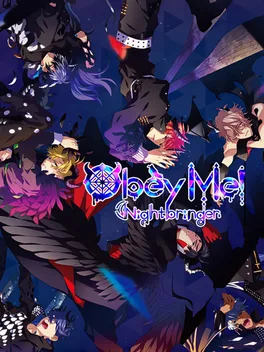
Obey Me! Nightbringer

Moe! Ninja Girls RPG

The Last Sacrifice: Blood King's Treasure

Shall we date?: The World or You

Shall we date?: Rewind

The Last Sacrifice: A King's Past

The Last Sacrifice: Blood King's Beloved

Obey Me!: One Master to Rule Them All

Shall we date?: Null;

Shall we date?: Love, Mafia My Signore

The Last Sacrifice: Forbidden Ties

Shall we date?: Mononoke Kiss x Lost Island

Shall we date?: Love, Mafia Dawn of the Don

The Last Sacrifice: Blood King's Desire

Niflheim Academy

Shall we date?: Become Elite

Shall we date?: Pretty Awesome

Shall we date?: We the Girls

Shall we date?: Modern Cinderella

Moe! Ninja Girls

Lost Alice: Destined Lovers in Wonderland

Shall we date?: Guard Me, Sherlock!
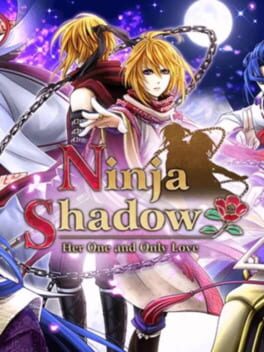
Shall we date?: Ninja Shadow Her One and Only Love

Shall we date?: Oz

Shall we date?: Arabian Dreams Wildest Tales in Starry Nights

Shall We Date?: War of Prayers - Inori no Otome

Shall we date? Love Tangle: Finding my Better Half
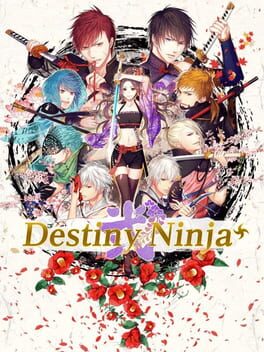
Shall We Date?: Destiny Ninja 2

Shall we date?: Castle Break

Shall we date?: Blood in Roses

Shall we date?: Wizardess Heart

Shall we date?: Guilty Alice

Shall we date?: The Niflheim

Shall we date?: Lost Island

Shall we date?: Ninja Assassin

Shall we date?: Never Look Back

Shall we date?: Pirates Treasured Love in the Ocean

Shall we date?: My Fairy Tales

Shall we date?: Hero in Love

Shall we date?: Angel or Devil
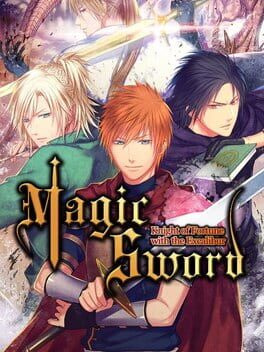
Shall we date?: Magic Sword

Shall we date?: Mononoke Kiss

Shall We Date?: Destiny Ninja

Princess Arthur

Shall we date?: Can't Say No

Koi Se yo! Hatsukoi Danshi: Tokimeki Gakuen Love

Shall we date?: Actor to be