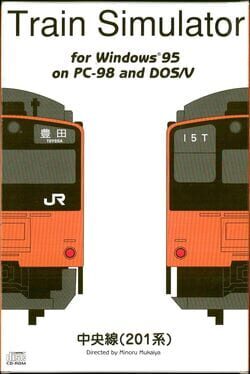
ONGAKUKAN
ONGAKUKAN is a Japanese company whose main business is the planning, development, and production of music production and professional simulators.
ONGAKUKAN at a Glance
If you are browsing PlayPile looking for a company that focuses strictly on train operations, ONGAKUKAN is the developer to know. Based in Japan and founded in 1985, this publisher has released 31 titles since they became active in 1995. Their catalog shows a very clear pattern where every single game falls under the Simulator genre. This consistency suggests they do not branch out into other types of gameplay. Their platform reach is heavily concentrated on personal computers. Out of their total library, 22 games are available for Microsoft Windows and 16 work on Mac. They have also published six titles for the PlayStation 2, two for the PlayStation 3, and one for the Nintendo DS. This distribution indicates a primary focus on PC users while maintaining support for older console generations. The company's output volume dropped significantly over time. They were most prolific in the 1990s with 16 releases, followed by 13 games in the 2000s. The pace slowed drastically afterward, with only one game released in the 2010s and one more in the 2020s. Recent activity includes JR East Train Simulator from November 2022 and Densha de GO! Tokubetsu-hen: Fukkatsu Shouwa no Yamanotesen from June 2010. Other notable titles in their history include Railfan: Taiwan High Speed Rail, released in July 2007, as well as earlier entries like Railfan and Train Simulator: Keisei Toei Asakusa Keikyu-sen from the mid-2000s. IGDB lists ONGAKUKAN as a company specializing in music production and professional simulators, yet their game list on PlayPile contains exclusively train-related simulations. There is no data provided regarding user ratings for these titles. The small number of recent releases compared to their peak years suggests this developer is now very quiet or operates on a very limited schedule. Players seeking a steady stream of new content from them should not expect frequent updates given the long gaps between their 2007 and 2010 releases, or the 2010 and 2022 releases.
Genre Breakdown
Platform Spread
Release Timeline
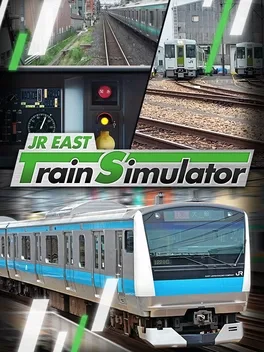
JR East Train Simulator
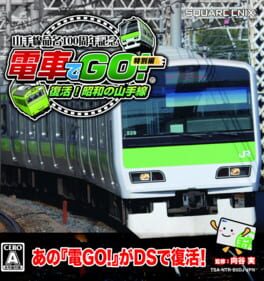
Densha de GO! Tokubetsu-hen: Fukkatsu Shouwa no Yamanotesen
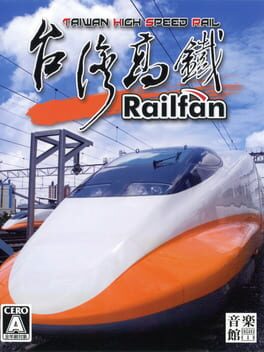
Railfan: Taiwan High Speed Rail
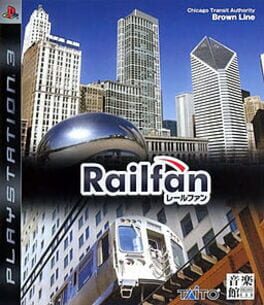
Railfan
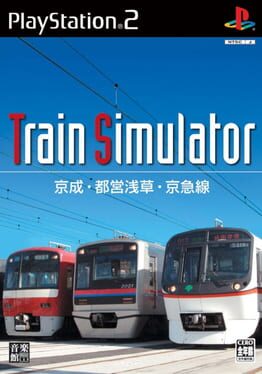
Train Simulator: Keisei Toei Asakusa Keikyu-sen

Train Simulator: Kyushu Shinkansen
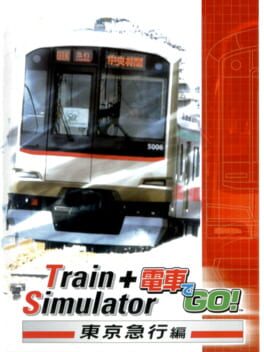
Train Simulator + Densha de Go!: Tokyo Kyuukou-hen
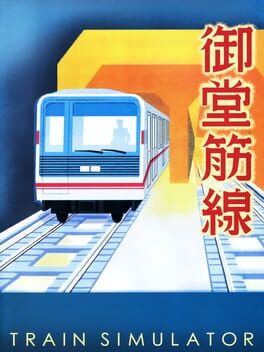
Train Simulator: Midosuji-sen
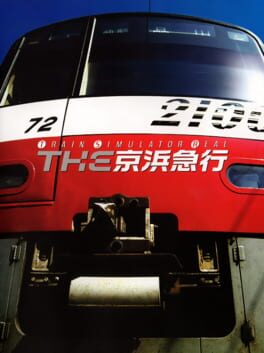
Train Simulator Real: The Keihin Kyuukou
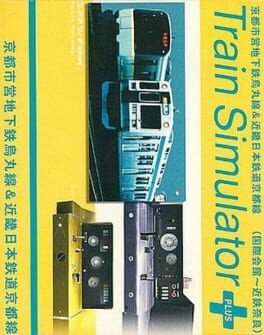
Train Simulator Plus: Kyoto-shiei Chikatetsu Karasuma-sen & Kinki-nippon Tetsudou Kyoto-sen
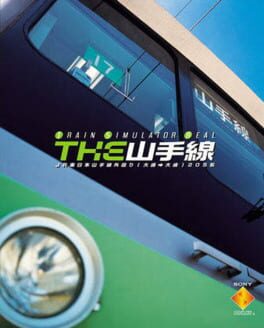
The Yamanote-sen: Train Simulator Real
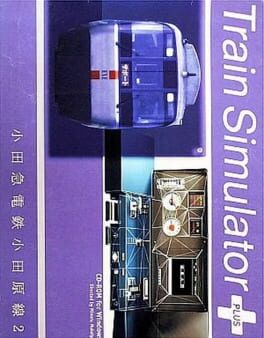
Train Simulator Plus: Odakyu Dentetsu Odawara-sen 2
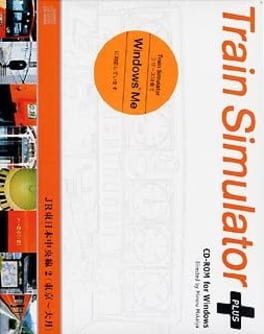
Train Simulator Plus: JR Higashi-Nihon Chuo-sen 2
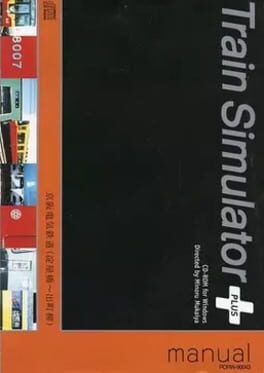
Train Simulator Plus: Keihan Denki Tetsudou
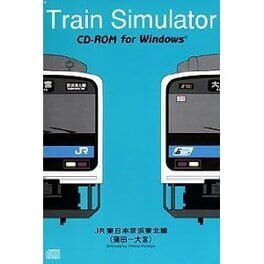
Train Simulator: JR Higashi-nihon Keihin Tohoku-sen
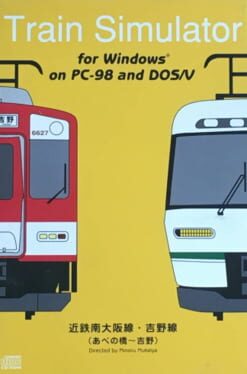
Train Simulator: Kintetsu Minami Osaka-sen Yoshino-sen
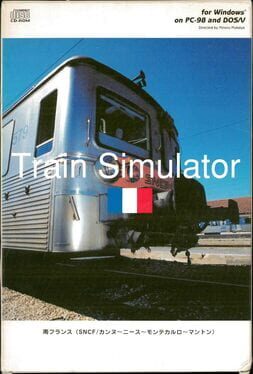
Train Simulator: Minami France
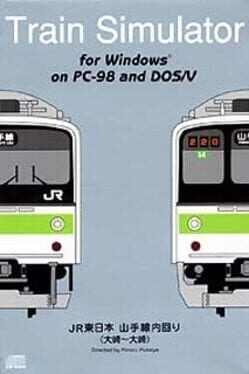
Train Simulator: JR Higashi-Nihon Yamanote-sen Uchi-mawari
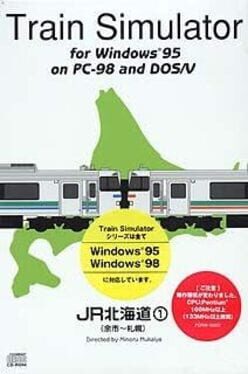
Train Simulator: JR Hokkaido 1
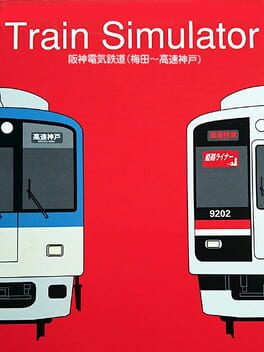
Train Simulator: Hanshin Denki Tetsudou
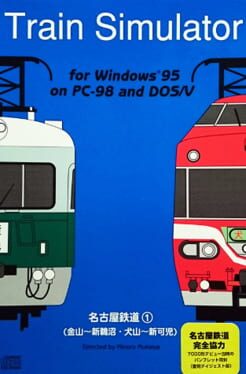
Train Simulator: Nagoya Tetsudou 1
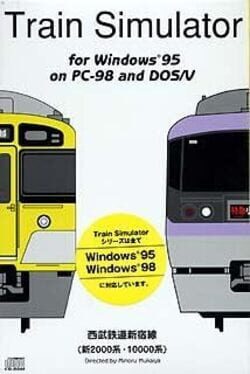
Train Simulator: Seibu Tetsudou Shinjuku-sen Shin-2000 10000-kei
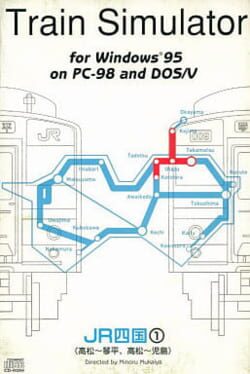
Train Simulator: JR Shikoku 1
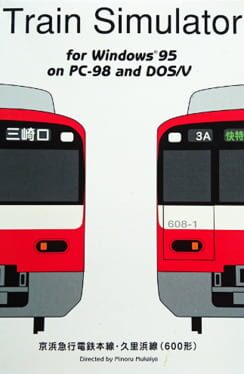
Train Simulator: Keihin Kyuukou Dentetsu Honsen Kurihamasen 600-gata
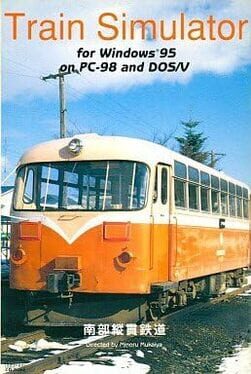
Train Simulator: Nanbu Juukan Tetsudou
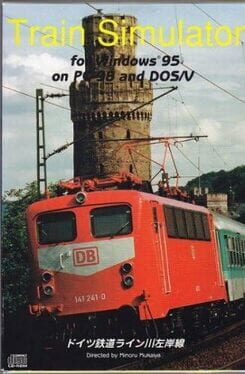
Train Simulator: Doitsu Tetsudou Rhine-gawa Sagan-sen
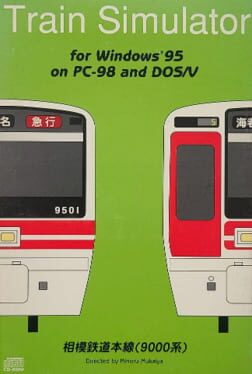
Train Simulator: Sagami Tetsudou Honsen 9000-kei
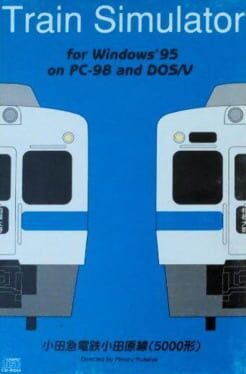
Train Simulator: Odakyu Dentetsu Odawara-sen 5000-gata
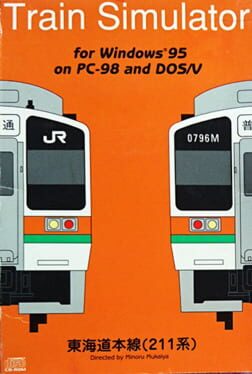
Train Simulator: Tokaido-honsen 211-kei
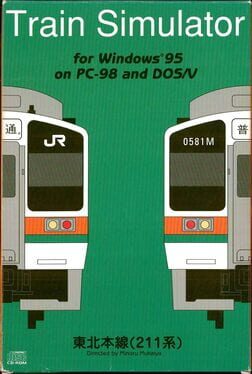
Train Simulator: Tohoku-honsen 211-kei