
Papyrus Design Group
Papyrus Design Group, Inc. was an American video game developer founded in 1987 by David Kaemmer and Omar Khudari. The studio specialized in realistic racing simulations, beginning with Indianapolis 500: The Simulation in 1989. The company was acquired by Sierra On-Line in 1995 and closed in 2004.
Papyrus Design Group at a Glance
Papyrus Design Group operated as a dedicated developer rather than a publisher during its active years from 1994 to 2003. Founded in 1987 by David Kaemmer and Omar Khudari, the studio built its reputation on realistic racing simulations. Their catalog consists of ten games available on PlayPile, all created under their own name. The company focused heavily on a single niche, with every title falling into the Racing genre. Nine of their projects also fit the Simulator category, and nine belong to the Sport genre. This narrow focus defined their entire output before Sierra On-Line acquired them in 1995 and eventually closed the studio in 2004. The platform reach for Papyrus was primarily PC based, with nine games available on Microsoft Windows. Mac users could access four of these titles, while three games were built for DOS. A single entry reached the PlayStation console. Their release schedule showed a clear shift over time. The 1990s yielded seven games, including their first major hit Indianapolis 500: The Simulation in 1989. The 2000s saw a slowdown with only three releases. Most of these later titles focused on NASCAR, such as NASCAR Racing 3, NASCAR Racing 4, and the final entries from 2002 and 2003. Quality trends for Papyrus show a consistent strength in their core genre. The studio holds an average IGDB rating of 81.1 across four rated titles. Three of these games are considered great with scores above 80, while one title sits in the mixed range at 59.5. There are no poor-rated games in their portfolio. Their highest-scoring work is Grand Prix Legends from 1998, which earned an 89.6 rating. The NASCAR Racing series also performed well, with the 2002 and 2003 seasons scoring 88 and 87.5 respectively. The original NASCAR Racing from 1994 received a lower score of 59.5. While their output was not massive compared to larger studios, their commitment to simulation fidelity resulted in a stable line of highly regarded racing titles during their decade of operation.
Genre Breakdown
Platform Spread
Release Timeline
Rating Distribution
Highest Rated Titles
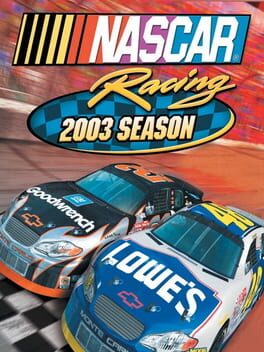
 8.7
8.7NASCAR Racing 2003 Season
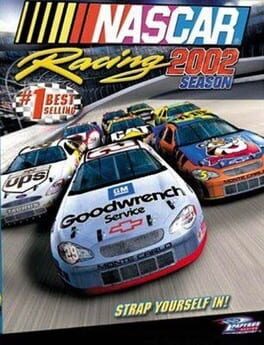 8.8
8.8NASCAR Racing 2002 Season
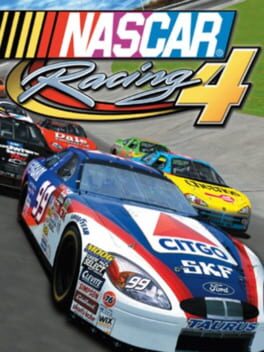
NASCAR Racing 4
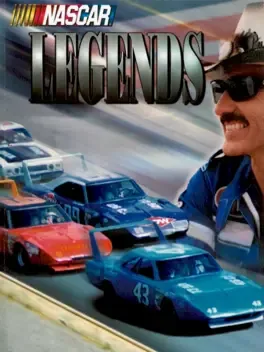
NASCAR Legends
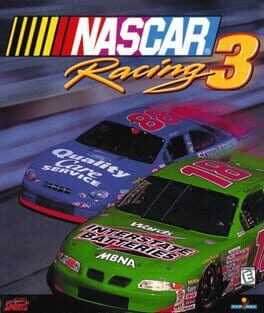
NASCAR Racing 3
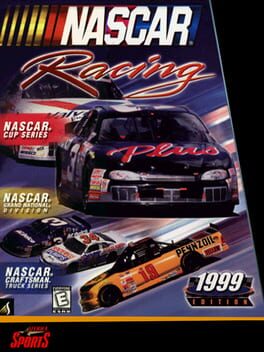
NASCAR Racing: 1999 Edition
 9.0
9.0Grand Prix Legends
 7.0
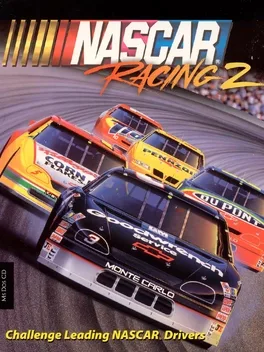
7.0NASCAR Racing 2

IndyCar Racing II
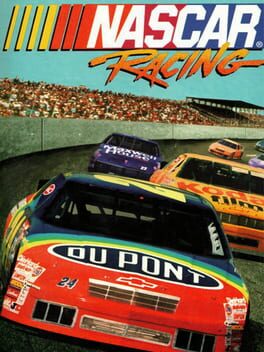 6.0
6.0