Silicon Knights
Silicon Knights was a game development company Headquartered in St. Catharines, Ontario, Canada, founded in 1992 by Denis Dyack. In 2007, Silicon Knights sued Epic Games, the developers of the Unreal Engine, about their losses and problems related to Unreal Engine 3. However, on August 9, 2007, Epic Games counter-sued Silicon Knights over, among other things, copyright infringement related to Unreal Engine. Epic Games won on May 30, 2012. This case led Silicon Knights to multiple lawsuits, resulting in the company filing for bankruptcy on May 16, 2014.
Silicon Knights at a Glance
Silicon Knights was a Canadian developer based in St. Catharines, Ontario, that operated from 1992 until 2011. The studio released ten games as a developer but never published any titles under its own name. While their catalog spans three decades, the output was relatively small with only three games in the 1990s, three in the 2000s, and just one release in the 2010s. Their work covered a wide range of genres including Adventure, Hack and slash, Shooter, Role-playing, Strategy, Tactical, Puzzle, and Turn-based strategy. You will find their games on platforms like the Nintendo GameCube, PlayStation 3, PC, PlayStation 2, Xbox 360, DOS, and various handhelds. Quality control was inconsistent throughout their career. Out of five titles with ratings on PlayPile, three achieved great scores while two fell into the mixed category. The studio found its highest praise with Blood Omen: Legacy of Kain in 1996, which scored 80.8. They followed this success with Eternal Darkness: Sanity's Requiem in 2002 at 86.1 and a Metal Gear Solid: The Twin Snakes port in 2004 that reached 82.6. These three titles represent their strongest work, but the later years saw a noticeable drop in quality. Too Human arrived in 2008 with a score of 55.7, and X-Men: Destiny in 2011 scored just 57.5. The average rating across all five rated games sits at 72.6, which reflects the sharp decline from their peak performance in the early 2000s to their final years. The company faced significant legal troubles that ultimately ended its operations. In 2007, Silicon Knights sued Epic Games over issues with the Unreal Engine 3. Epic Games counter-sued for copyright infringement and won the case on May 30, 2012. This lawsuit led to further legal battles for the developer. The financial strain from these cases forced Silicon Knights to file for bankruptcy on May 16, 2014. Their legacy is defined by a few highly regarded early titles followed by lower-rated projects and a collapse due to external legal pressures.
Genre Breakdown
Platform Spread
Release Timeline
Rating Distribution
Highest Rated Titles
 5.8
5.8X-Men: Destiny
 5.6
5.6Too Human
 85
85Metal Gear Solid: The Twin Snakes
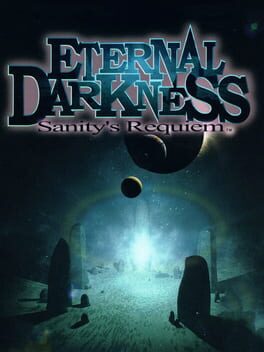 8.6
8.6Eternal Darkness: Sanity's Requiem
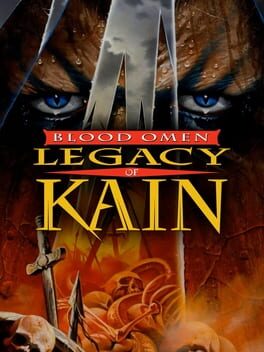 8.1
8.1Blood Omen: Legacy of Kain
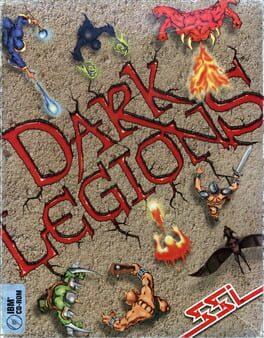
Dark Legions
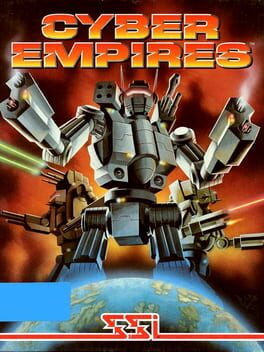
Cyber Empires
Too Human

The Box