SouthPeak Interactive
SouthPeak Interactive Corporation, doing business as SouthPeak Games, was an American video game publisher based in Midlothian, Virginia.
SouthPeak Interactive at a Glance
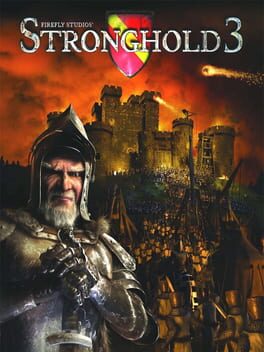
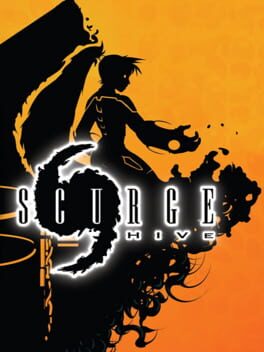
SouthPeak Interactive operated as an American video game publisher and developer from 1997 until 2011. Based in Midlothian, Virginia, the company released a total of 31 titles on PlayPile. They acted as the publisher for all 31 games and took a development role on only two of them. Their output was spread across three decades. The 1990s saw 11 releases, followed by a peak of 17 games in the 2000s. Activity slowed considerably in the 2010s with just three titles before the company ceased operations. The catalog shows a heavy focus on PC platforms, which account for 15 of their 31 games. They also supported the Xbox 360 and Nintendo DS with six releases each. Other systems included the Wii, PlayStation 3, Nintendo 64, and PlayStation 2. In terms of genre, shooters were the most common category with eight titles. Sports and adventure games followed with seven and six releases respectively. Simulators, racing games, and puzzle games each had four entries. Fighting, strategy, real-time strategy, and role-playing games rounded out the list with three or fewer titles each. Quality assessment reveals a mixed record for SouthPeak Interactive. The average rating across 17 rated titles stands at 56.2 out of 100. There were no great-rated games in their catalog. Seven titles achieved good ratings between 60 and 79, while nine fell into the mixed category between 40 and 59. One game received a poor rating below 40. Their highest-scoring releases include Big Bang Mini from 2009 with a score of 76.5, Ninjatown at 75.5, Scurge: Hive at 73.5, and Section 8 at 71.5. Recent activity in the final years of the company shows inconsistent results. Stronghold 3 released in October 2011 carried a low score of 49.2. TNA Impact! and Sushi Go Round appeared in 2010 without high scores listed. Schrödinger's Rat from December 2009 managed a 52 rating. Section 8 remains their strongest recent entry with its 71.5 score. The company did not maintain a consistent level of critical success throughout its existence.
Genre Breakdown
Platform Spread
Release Timeline
Rating Distribution
Highest Rated Titles
 4.9
4.9Stronghold 3
TNA Impact!: Cross the Line
Sushi Go Round
 5.2
5.2Schrödinger's Rat
 7.1
7.1Section 8
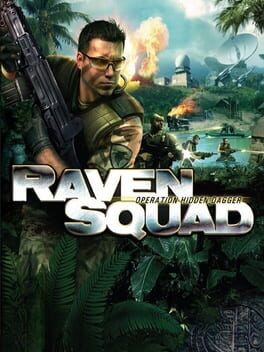 6.0
6.0Raven Squad: Operation Hidden Dagger
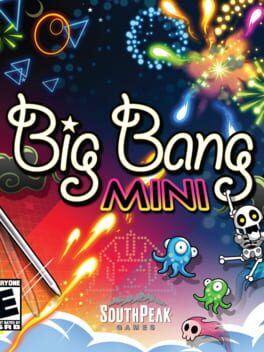 7.7
7.7Big Bang Mini
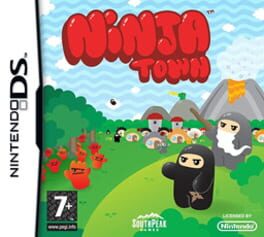 7.5
7.5Ninjatown
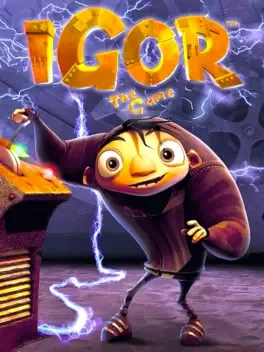 4.0
4.0Igor: The Game
 5.0
5.0Pirates vs. Ninjas Dodgeball
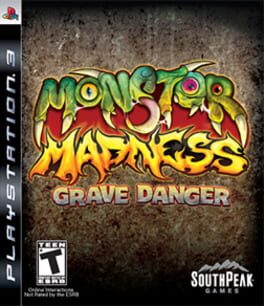 5.0
5.0Monster Madness: Grave Danger
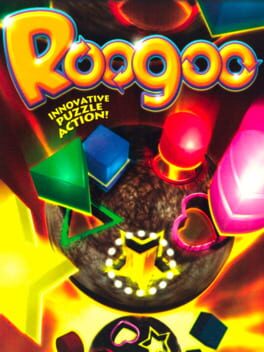 6.5
6.5Roogoo
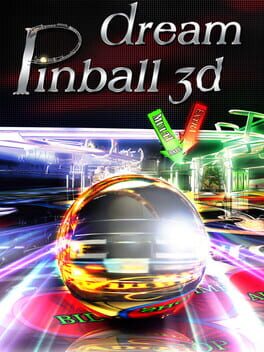 5.5
5.5Dream Pinball 3D
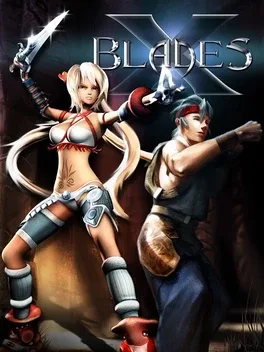 5.0
5.0X-Blades
 4.0
4.0Pool Party
 10.0
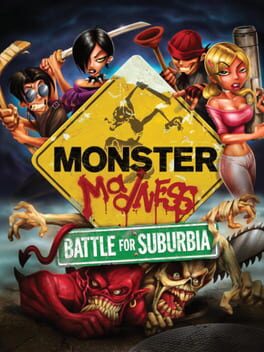
10.0Monster Madness: Battle for Suburbia
 7.3
7.3Scurge: Hive
 3.5
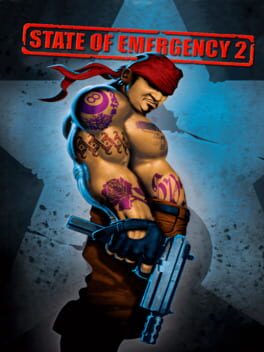
3.5State of Emergency 2
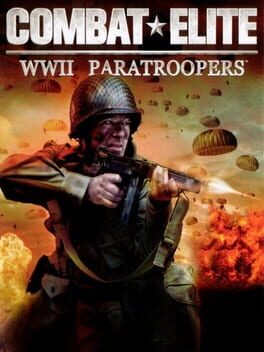
Combat Elite: WWII Paratroopers
 4.0
4.0ATV Offroad Fury: Blazin' Trails
 6.0
6.0ATV Offroad Fury 3
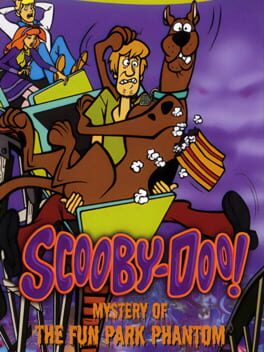
Scooby-Doo! Mystery of the Fun Park Phantom
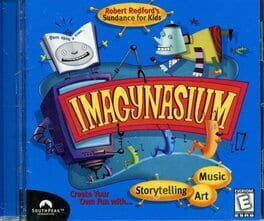
Imagynasium
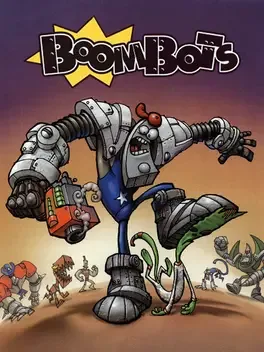
BoomBots
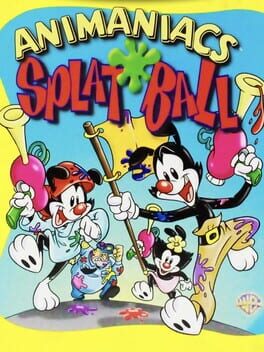
Animaniacs Splat Ball

Michael Owen's WLS 2000
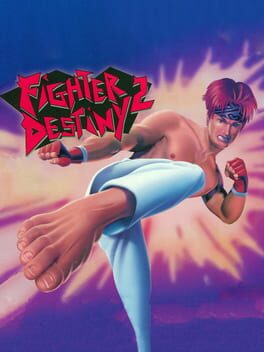
Fighter Destiny 2
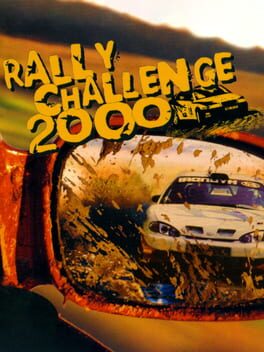
Rally Challenge 2000
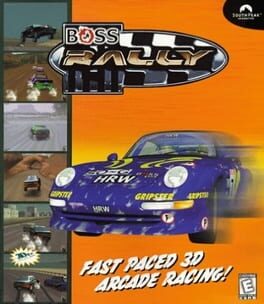
Boss Rally
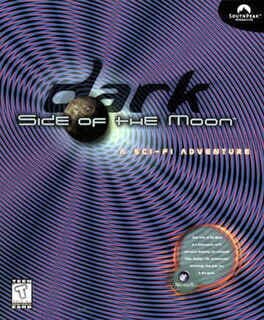
Dark Side of the Moon: A Sci-Fi Adventure
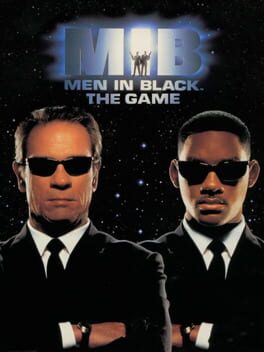
Men in Black: The Game