
Tiger Electronics
Tiger Electronics Ltd. (also known as Tiger and Tiger Toys) is an American toy manufacturer best known for its handheld electronic games, the Furby, the Talkboy, Giga Pets, the 2-XL robot, and audio games such as Brain Warp and the Brain Shift. When it was an independent company, Tiger Electronics Inc., its headquarters were in Vernon Hills, Illinois. It has been a subsidiary of Hasbro since 1998.
Tiger Electronics at a Glance
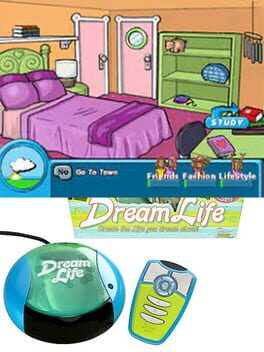
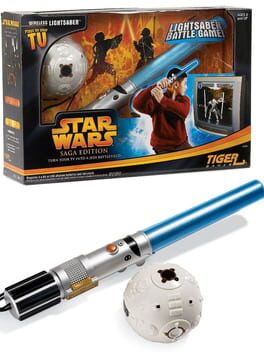
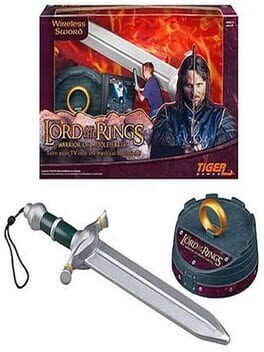
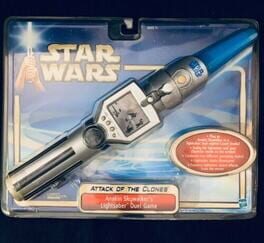
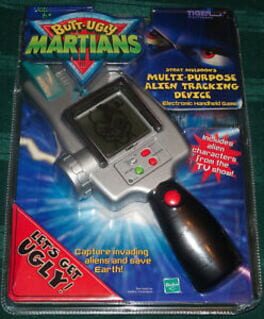
Tiger Electronics operated from 1978 until 2005 as an American toy manufacturer that released 445 titles on PlayPile. The company produced or published 408 games and developed 442 games, though its output was heavily concentrated in a specific era and format. Their catalog shows 321 games from the 1990s, which dwarfs their 57 releases in the 1980s, 31 titles in the 2000s, and just one game from the 1970s. This pattern indicates a massive surge in activity during the nineties followed by a sharp decline after the company became a Hasbro subsidiary in 1998. The platform data reveals a clear focus on handheld electronic LCD devices with 420 titles. Only a small fraction of their work appeared on other hardware like the R-Zone (11 games), Game.com (10 games), or Plug & Play systems (3 games). Their genre list reflects this hardware limitation, with Simulator leading at 31 titles, followed by Sport (19) and Arcade (13). They also produced Quiz/Trivia games (12) and Shooters (11), but their presence in genres like Platform (2) or Adventure (3) is minimal. Recent releases show a continued reliance on popular media licenses. Titles from late 2004 and 2005 include Lord of the Rings: Warrior of Middle Earth, Star Wars: Episode II - Anakin Skywalker's Lightsaber Duel, Butt-Ugly Martians, and Star Wars: Saga Edition: Lightsaber Battle Game. Dream Life was their final listed release in February 2005. While they are known for products like the Furby and Talkboy outside of gaming, their video game library consists mostly of simple electronic simulations and licensed sports or movie tie-ins. The sheer volume of LCD games suggests a focus on mass-market toy sales rather than deep software experiences. Their ratings across this vast catalog are generally mixed to poor, as these were often low-cost devices with limited replay value compared to dedicated gaming consoles of the time.
Genre Breakdown
Platform Spread
Release Timeline
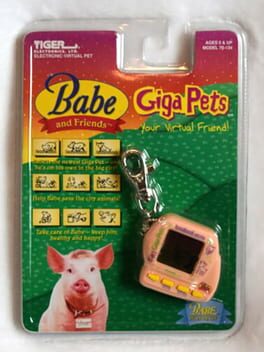
Giga Pets: Babe and Friends
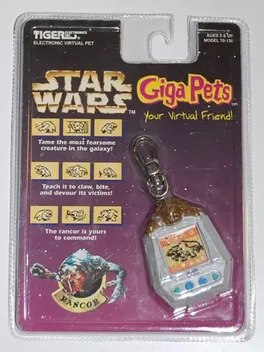
Giga Pets: Star Wars - Rancor
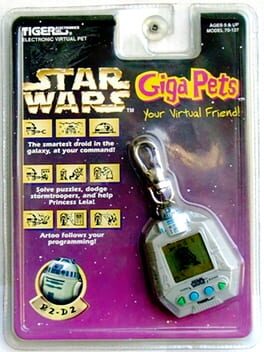
Giga Pets: Star Wars - R2-D2
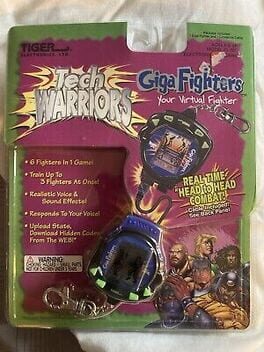
Tech Warriors Giga Fighters
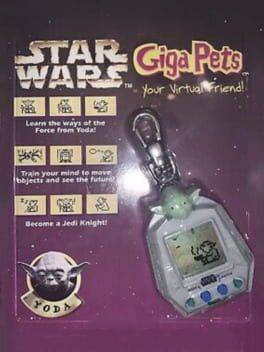
Giga Pets: Star Wars - Yoda
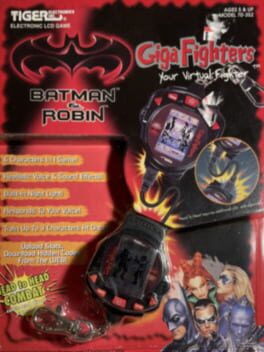
Giga Fighters Batman & Robin
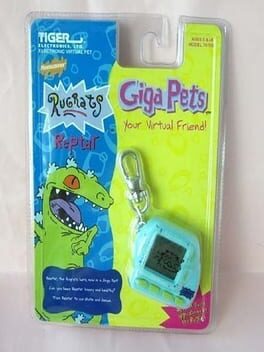
Giga Pets: Rugrats Reptar
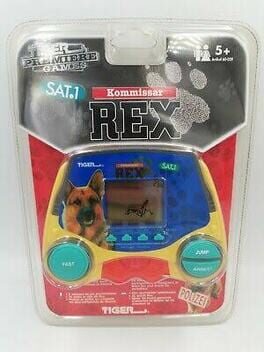
Kommissar Rex
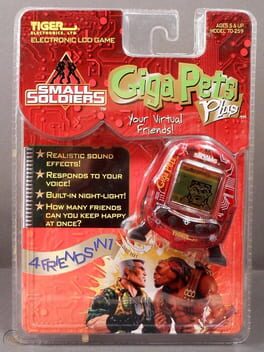
Giga Pets Plus: Small Soldiers
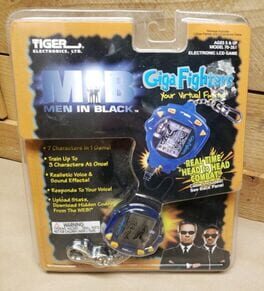
Giga Fighters Men in Black
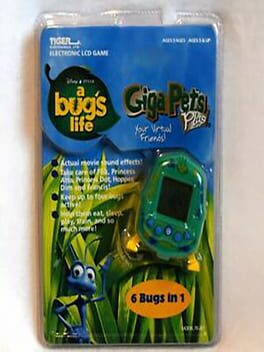
Giga Pets Plus: A Bug's Life
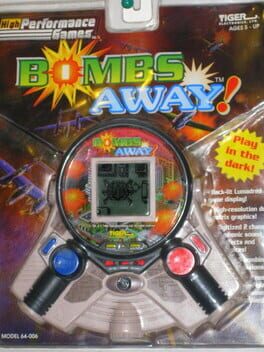
Boms Away!
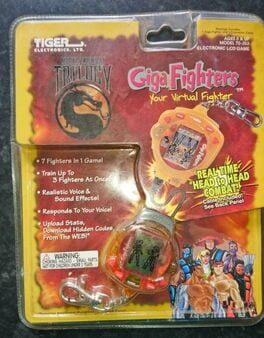
Mortal Kombat Trilogy: Giga Fighters - Your Virtual Fighter
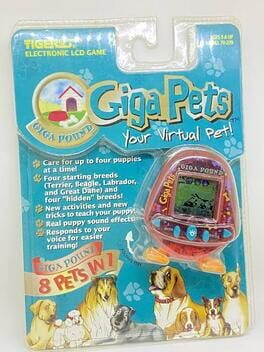
Giga Pets Plus: Giga Pound
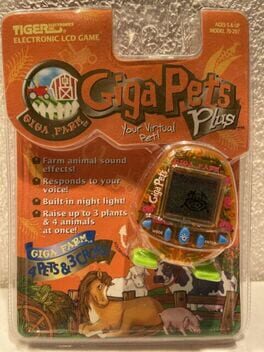
Giga Pets Plus: Giga Farm
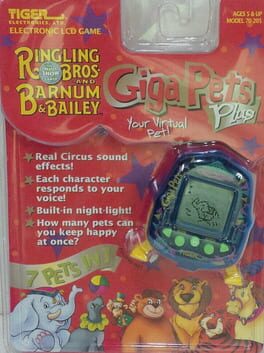
Giga Pets Plus: Giga Circus
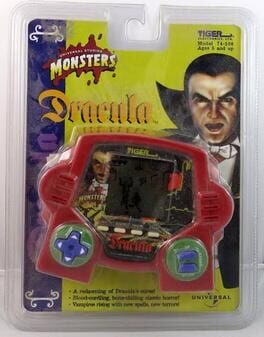
Universal Monsters Dracula
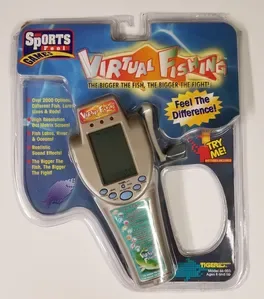
Sports Feel Virtual Fishing
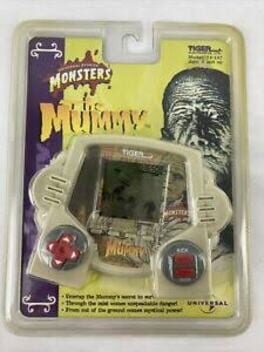
Universal Monsters the Mummy
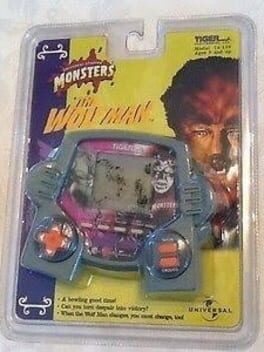
Universal Monsters the Wolf Man
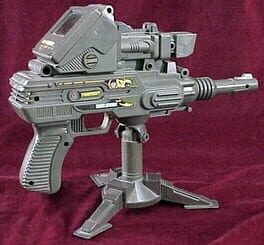
Tank Attack
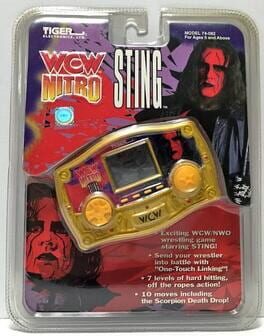
WCW Nitro Sting
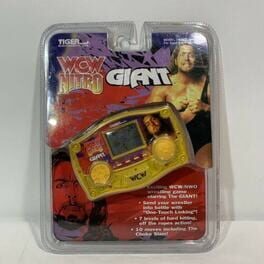
WCW Nitro Giant
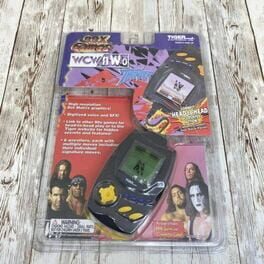
WCW nWo Thunder

Batman & Robin
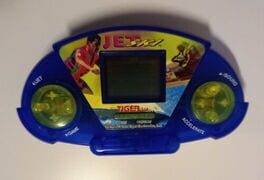
Jet Ski
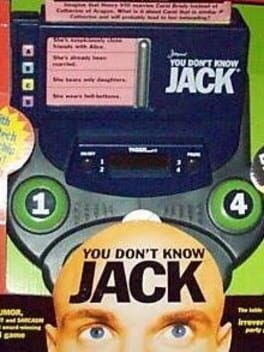
You Don't Know Jack
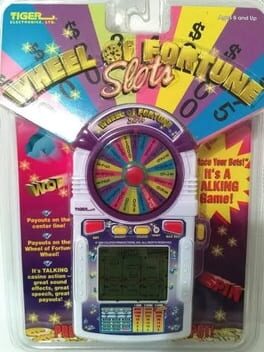
Wheel of Fortune Slots
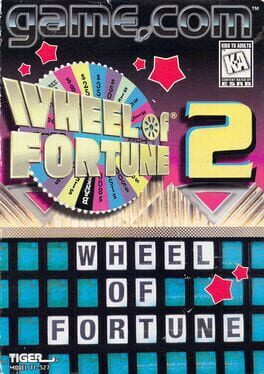
Wheel of Fortune 2
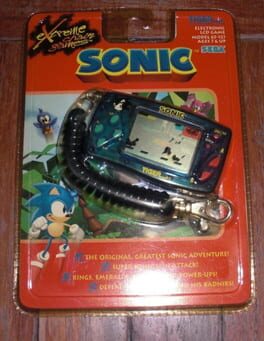
Sonic
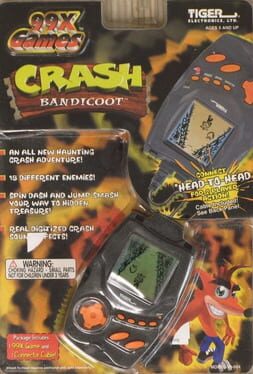
Crash Bandicoot
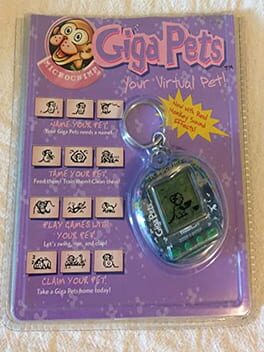
Giga Pets: Microchimp
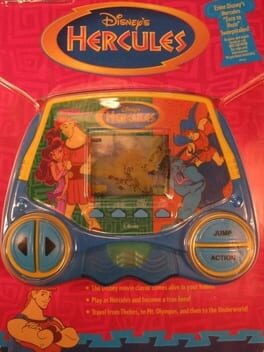
Disney's Hercules
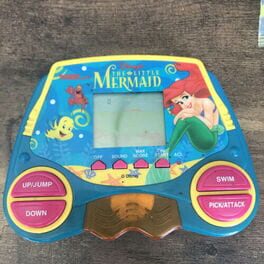
Disney's The Little Mermaid
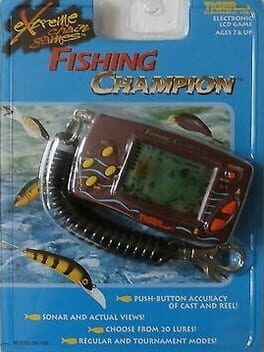
Fishing Champion
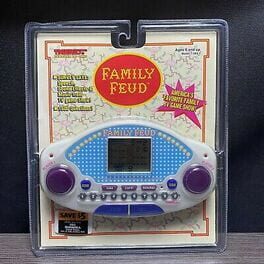
Family Feud
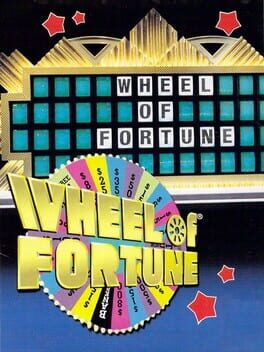
Wheel of Fortune
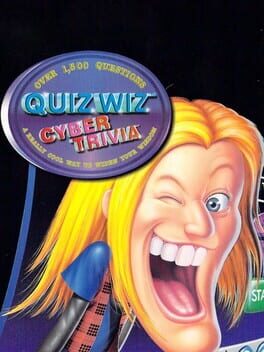
Quiz Wiz: Cyber Trivia
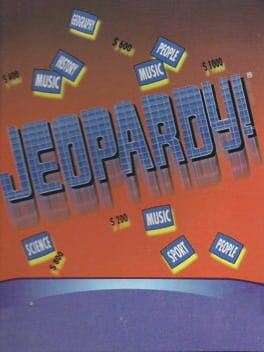
Jeopardy!
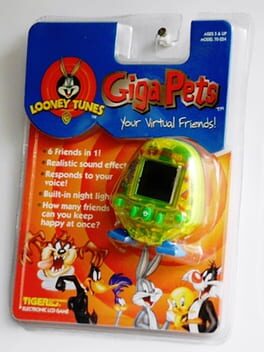
Giga Pets: Looney Tunes
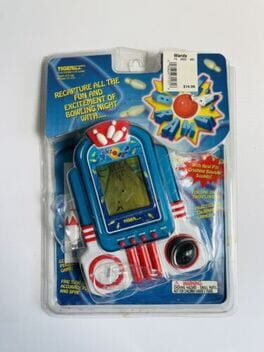
Bowl-A-Rama
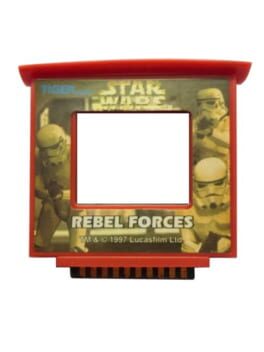
Star Wars: Rebel Forces
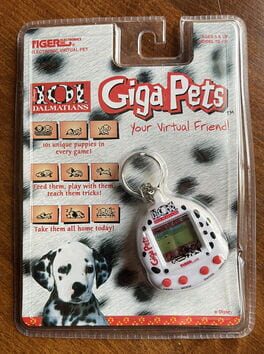
Giga Pets: 101 Dalmatians
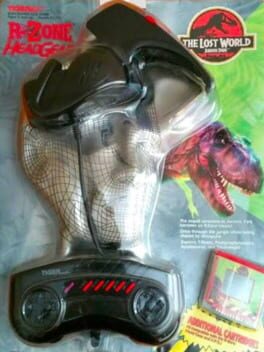
The Lost World: Jurassic Park
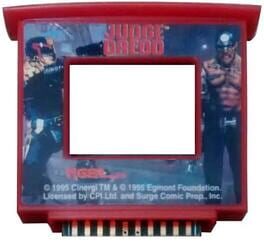
Judge Dredd
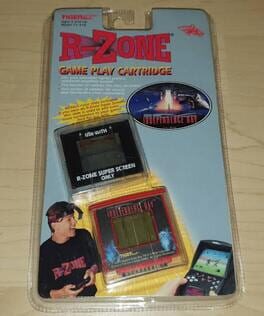
Independence Day
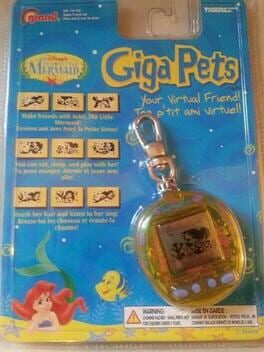
Giga Pets: The Little Mermaid