At Fate's End Preview: Thunder Lotus Brings Family Drama to the Battlefield
Thunder Lotus combines Spiritfarer's emotional storytelling with action combat. Fight your siblings, collect their swords, and reconcile with your dysfunctional family.
Indie game enthusiast and pixel art admirer. I play everything so you don't have to — but you'll want to after reading my picks.
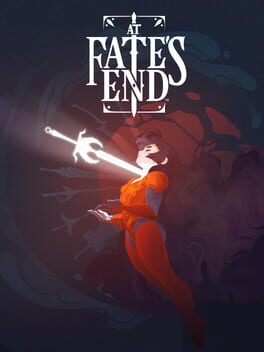
Shan twirls, her hair shifts from black to white, and a glowing blade manifests from her throat. It sounds like body horror, but it plays more like magical girl anime. That transformation is my first real moment with At Fate's End, and it tells me everything I need to know about Thunder Lotus: they are still making games that look and feel like nothing else.
Thunder Lotus Returns to Action
Most players know Thunder Lotus from Spiritfarer, their cozy 2020 management sim about ferrying souls to the afterlife. But the Montreal studio has always had action in their DNA. Jotun and Sundered came before, both built around precise combat and hand-drawn animation that frames every swing and dodge like a painting in motion. At Fate's End brings that combat focus back while keeping the emotional storytelling that made Spiritfarer resonate with so many players.
The premise is elegantly personal. You play as Shan, the youngest of the Hemlock clan of knights. Your mother has died and left you the title of Princess of Swords. The catch? To claim it, you need to collect the legendary blades held by your older siblings. Willing or not.
Your Skill Tree Is Your Family Tree
This is where the design gets clever. Each sibling you face grants you their tarot-associated abilities. Camilla, the brash eldest with an eyepatch and a mane of blonde hair, gives you The Chariot: a dash that covers the entire screen. Roman, a sultry older brother who pulls a whip dramatically from his spine (releasing demonic wings, naturally), gives you The Devil. Each card can also be reversed, unlocking an alternate ability. The Chariot reversed becomes Vehemence, granting a double jump.
Combat revolves around angles. Enemies have shields with gaps, sometimes fixed, sometimes rotating. You attack in any direction with the right stick, positioning yourself to hit those openings. A freeze-time mechanic lets you pause the action to assess the field or trigger special abilities. It feels strategic without overwhelming you.
Dialogue That Actually Matters
Here is what surprised me most. During the duel with Camilla, dialogue breaks appear between combat phases. Your choices matter mechanically. An empathetic response based on what you learned about her struggles as the family leader? She loses a health bar. A blunt dismissal? You take damage instead.
Before the fight, you explore the family estate in "black-hair mode" (no combat transformation). You talk to characters, observe the environment, and collect cards representing facts about your siblings. These slot into a character journal, building your understanding of each family member. The information you gather directly influences how the fights play out.
It ties narrative and gameplay together in a way that rewards paying attention. Camilla calls you "Muffin" and needles you about missing your mother's funeral. That layer of realistic sibling dynamics grounds the mythic premise. You are not just defeating warriors to collect swords. You are reconciling with a famous, talented, and deeply damaged family.
Hand-Drawn Animation That Justifies Every Death
Thunder Lotus has always excelled at 2D animation, but At Fate's End might be their best work yet. The way Shan picks herself up after dying, furtively looking side to side, made me care less about the retry. Every transformation sequence, every sibling's dramatic entrance, every monster attack is animated with the kind of detail that studios with ten times the budget rarely achieve.
Polygon called it "the best game at GDC 2026." Xbox Wire praised the blend of Spiritfarer's emotional writing with Thunder Lotus's action roots. After playing the demo, I understand why. The studio has combined everything they have learned from their previous games into something that feels distinctly new.
What We Know So Far
At Fate's End is coming to PlayStation 5, Xbox Series X|S, and PC in 2026. No specific release date has been announced yet, but the GDC demo suggests the game is far enough along that a reveal cannot be too far off. If you missed Spiritfarer, this might be the game that puts Thunder Lotus on your radar for good. If you loved Spiritfarer, this is the action-focused sibling story you did not know you needed.