The Cozy Game Renaissance of 2026: Why Relaxing Games Are Taking Over
I never thought I'd become a person who considers watering virtual turnips a legitimate evening activity. But here I am, two kids deep into parenthood, sneaking in 20 minutes of farm life after bed...
February 28, 2026 · 7 min read
Been gaming since the PS1 days. I have opinions and I'm not afraid to share them. If a game respects my time, I'll respect it back.
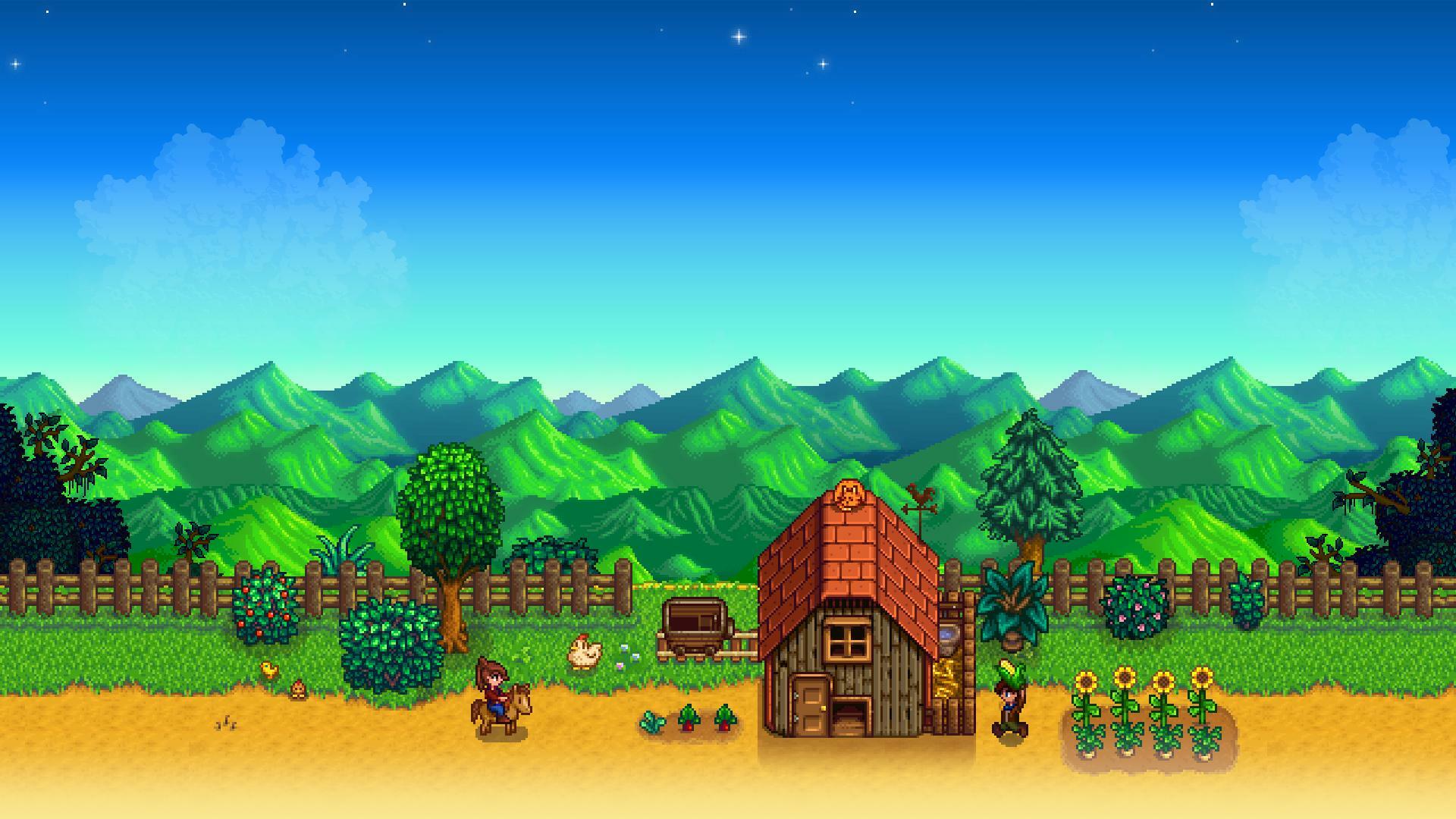
I never thought I'd become a person who considers watering virtual turnips a legitimate evening activity. But here I am, two kids deep into parenthood, sneaking in 20 minutes of farm life after bedtime while the dishes sit unwashed in the sink. And apparently, I'm not alone. The cozy game genre has gone from a niche corner of the indie scene to one of the biggest movements in gaming, and 2026 feels like the year it fully arrived.
How We Got Here
Stardew Valley: Collector's Edition
ConcernedApe · 505 Games
Apr 11, 2017
Chuckle Fish teamed up with 505 Games and ConcernedApe to produce this Collector’s Edition, which includes: - A copy of Stardew Valley for Xbox On…
The seeds were planted years ago. Stardew Valley proved in 2016 that a solo developer could build a farming sim that rivaled anything a big studio could produce. Then Animal Crossing: New Horizons launched right when the world shut down in 2020, and suddenly millions of people who had never touched a controller were designing island getaways. That timing was almost too perfect.
But the pandemic didn't create the demand for relaxing games. It just revealed how large the audience had always been. People were burned out, anxious, and looking for something that didn't ask them to perform under pressure. Traditional gaming's obsession with competition, reflexes, and kill/death ratios left a massive gap, and cozy games walked right into it.
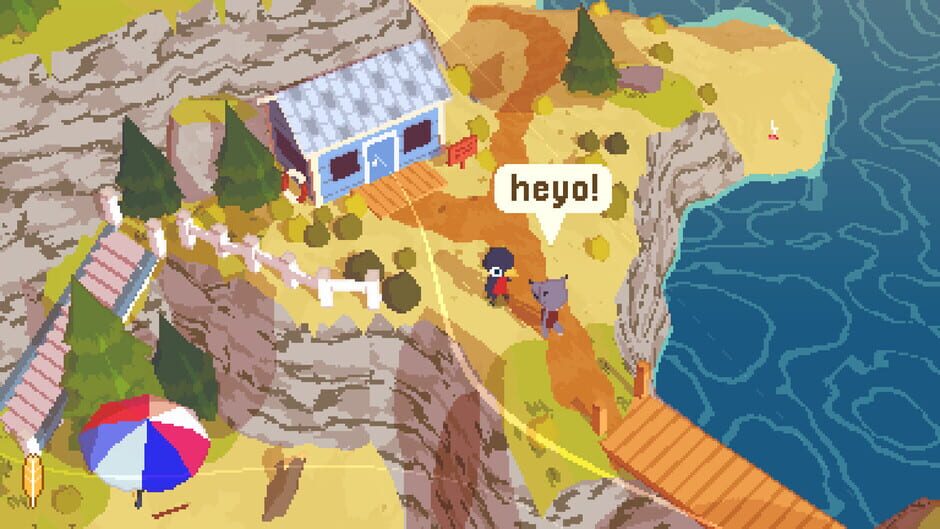
What followed was a slow build. Games like Spiritfarer, Unpacking, and A Short Hike showed that "cozy" wasn't a single template. It could mean managing a boat for the dead, organizing boxes in a new apartment, or hiking up a small mountain to get cell phone reception. The genre's definition was loose enough to welcome all kinds of design philosophies, and that flexibility became its greatest strength.
Why 2026 Is the Tipping Point
Look at the release calendar this year. Fields of Mistria is pulling in enormous player counts with its early access updates. Coral Island keeps expanding into something genuinely impressive. Palia launched its console versions and found a massive audience of players who just want to fish and decorate houses together. These aren't small releases anymore. They're competing for attention alongside AAA shooters, and they're winning.
The production values have shifted too. Early cozy games could get by on pixel art and a chill soundtrack. Now studios are investing real money into these projects because the audience is proven. You're seeing fully voice-acted narratives, gorgeous hand-painted art styles, and soundtracks composed by people who've scored films. The bar is high, and developers are clearing it.
Major publishers noticed. Nintendo has always understood this space, but now PlayStation and Xbox are actively courting cozy developers for their subscription services. When Coffee Talk and Ooblets show up on Game Pass, that's not an accident. These platforms need variety, and cozy games bring in demographics that shooters simply don't reach.
The Audience Isn't Who You Think
There's a lazy assumption that cozy games are "for people who aren't real gamers." I've seen it in comment sections and forum threads. It's wrong, and it's becoming increasingly obvious how wrong it is.
The average cozy game player in 2026 is not a newcomer to gaming. Studies from multiple analytics firms point to the same pattern: the core cozy audience skews toward people in their late 20s to early 40s who grew up gaming and now have less time and energy for intense sessions. They've played the Souls games. They've grinded competitive ladders. They just don't want to do that every single night anymore.
I fit that profile perfectly. I played competitive Halo for years. I've beaten every FromSoftware game since Demon's Souls. But when I have 30 minutes between putting my daughter to bed and falling asleep on the couch, I don't want to get screamed at by a 14-year-old in ranked. I want to plant some crops, talk to some friendly animal characters, and feel like I accomplished something small and pleasant.
Parents make up a huge chunk of this audience, and the industry is finally recognizing that. Games with pause-anywhere functionality, no fail states, and sessions that can be satisfying in 15 minutes aren't dumbed down. They're designed with respect for people whose time comes in unpredictable bursts.
What Makes a Cozy Game Actually Good
Not every game that calls itself cozy earns the label. I've played plenty of games marketed as relaxing that are actually full of tedious resource management, punishing time limits, or progression walls that demand daily logins. That's not cozy. That's a mobile game wearing a flannel shirt.
The best cozy games share a few qualities. First, they respect your time. A Short Hike can be finished in two hours, and every minute of it feels purposeful. Stardew Valley can consume 200 hours, but it never punishes you for stepping away. The game waits for you. Your farm doesn't die while you're at work.
Second, good cozy games have genuine emotional depth. Spiritfarer is about grief and letting go. It made me cry three separate times, and I'm not someone who cries at games. The cozy aesthetic isn't about avoiding difficult themes. It's about approaching them gently.
Third, they prioritize player expression. Decorating, customizing, arranging, creating. The best cozy games give you tools and then get out of the way. Unpacking understood this perfectly. There's no right way to arrange your kitchen. The joy is in the choosing.
The Cozy Boom Brings Growing Pains
I'd be dishonest if I said everything about the cozy game explosion is positive. The genre's popularity has attracted a wave of low-effort clones that slap some pastel colors on a basic crafting loop and call it cozy. Steam is full of them. For every Fields of Mistria there are ten games that feel like they were assembled from a template.
There's also a monetization creep that worries me. Palia is free-to-play, and while the implementation is relatively fair, the model creates pressure to design around spending rather than around fun. When your cozy game has a battle pass and a premium currency shop, you've introduced a kind of stress that runs counter to the entire point.
The good news is that players in this space are vocal and thoughtful about what they want. When a cozy game gets greedy, the community pushes back hard. And developers who listen tend to thrive. ConcernedApe continues to support Stardew Valley years after release with free updates, and that generosity built a loyalty that no marketing budget could buy.
Where This Goes Next
Cozy games are not a trend. They're a permanent expansion of what gaming means. The audience is too large and too committed to disappear. What I expect we'll see over the next few years is more genre blending. Cozy elements showing up in games that aren't traditionally relaxing. Farming in your RPG. Decorating your base in a survival game. The influence flows in every direction.
VR is another frontier. Imagine a cozy gardening game where you physically reach out and tend your plants. The technology is getting there, and the audience for low-stress VR experiences is massive among people who get motion sick from fast-paced VR shooters.
For me personally, the cozy game renaissance means I get to keep gaming through this chaotic stretch of parenting. These games meet me where I am. They don't demand hours I don't have or reflexes I've lost. They just ask if I want to water some turnips. And yeah, I really do.