Bullfrog Productions
Bullfrog Productions was a British developer. It was founded in 1987 by Les Edgar and Peter Molyneux. They were best known for their strategy god games such as Populous. In January 1995, to strengthen its global positioning, Bullfrog Productions merged with long time publishing partner Electronic Arts. In August 1997, Bullfrog co-founder, Peter Molyneux, left to establish a new development team, Lionhead Productions (who, incidentally, has also signed a distribution deal with Electronic Arts). In September 1999, Les Edgar changed his role to consultant for Bullfrog Productions Limited, enabling him to pay more equitable attention to his other business interests. Edgar handed the reins to Bruce McMillan from Electronic Arts' Canadian studio. Following its purchase by EA, Bullfrog continued to work in its original offices in Guildford as an EA studio, and continued to display its own Bullfrog logo on the boxes of its games. In 2000, Electronic Arts merged its EA-UK offices, which had been in Langley near Slough, with the Bullfrog offices, into a new facility in Chertsey. Around August of that year the company decided to drop all further production of Bullfrog-branded products, and the former Bullfrog employees were put onto new projects such as the Harry Potter series. The last Bullfrog-branded game was Sim Theme Park (also known as Theme Park World and Theme Park 2), released in 1999. A few compilations of older games that Bullfrog worked on have been published since, but to all intents and purposes the brand has been dead since the move to Chertsey in 2000. Many Bullfrog developers left to found their own studios and these became Intrepid Computer Entertainment Ltd., Big Blue Box Studios Ltd. and Lionhead Studios. The latter eventually absorbed the first two and became the only studio to carry on the Bullfrog legacy.
Bullfrog Productions at a Glance
Bullfrog Productions was a British developer founded in 1987 by Les Edgar and Peter Molyneux. The company released 23 games during its active years from 1988 to 2001, acting solely as a developer rather than a publisher on the PlayPile database. Their output peaked heavily in the 1990s with 18 titles, while they only managed two releases in the 1980s and another two in the 2000s. The studio focused primarily on Strategy games, which accounted for 16 of their total titles. They also produced a significant number of Real Time Strategy (RTS) and Simulator games, with 11 and 9 releases respectively. Their portfolio included smaller runs of Role-playing, Shooter, Tactical, Racing, Adventure, Platform, and Puzzle games. Bullfrog built its library across many platforms, with the most frequent appearances on PC, DOS, and Mac systems. They also released games for the Amiga, various PlayStation consoles, Atari ST/STE, Super Nintendo, and Sega Mega Drive. The average IGDB rating for their 15 rated titles stands at 74.4 out of 100. This score reflects a generally positive reception, with five games rated as great and nine rated as good. There was only one mixed title and no poor-rated games in the sample data. Their highest-rated work includes PowerMonger from 1990 with an 89 score, followed by Dungeon Keeper 2 at 86.7, Theme Hospital at 85.5, and Magic Carpet 2 at 85. The company operated independently until January 1995 when it merged with Electronic Arts to strengthen its global position. Peter Molyneux left in August 1997 to start Lionhead Productions. Les Edgar stepped back into a consultant role in September 1999, and Bruce McMillan took over leadership from EA. In 2000, the studio moved to Chertsey after merging with other EA-UK offices. Around August of that year, the decision was made to stop producing games under the Bullfrog brand entirely. The final branded release was Sim Theme Park in November 1999, which received a score of 65.8. While some older compilations appeared later, the brand effectively ceased operations after the move to Chertsey. Many former developers went on to form their own studios, including Intrepid Computer Entertainment and Big Blue Box Studios, with Lionhead eventually absorbing them.
Genre Breakdown
Platform Spread
Release Timeline
Rating Distribution
Highest Rated Titles
SimCoaster
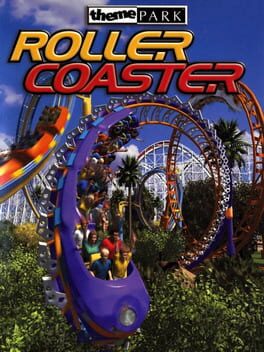
Theme Park Roller Coaster
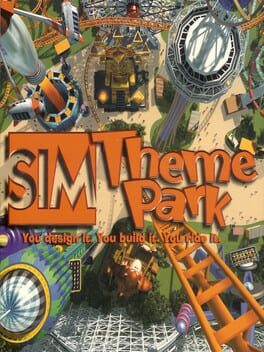
 6.6
6.6Sim Theme Park
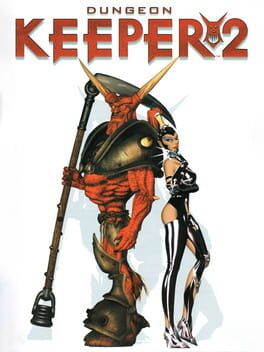 8.7
8.7Dungeon Keeper 2
Aquarium
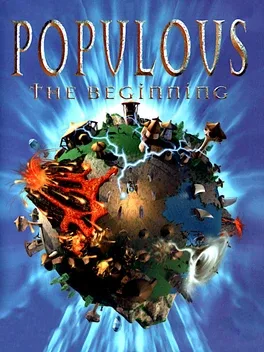 7.5
7.5Populous: The Beginning
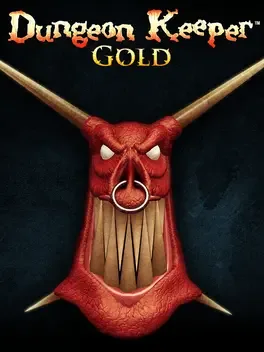 8.1
8.1Dungeon Keeper Gold
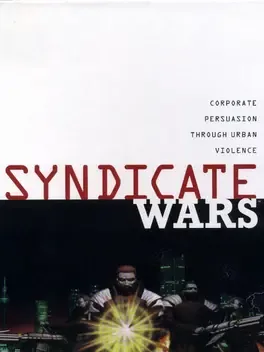
Syndicate Wars
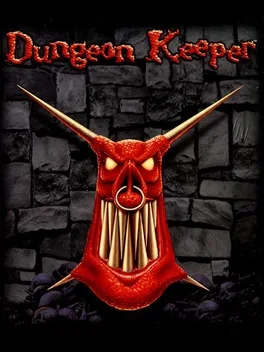 4.7
4.7Dungeon Keeper
 8.6
8.6Theme Hospital
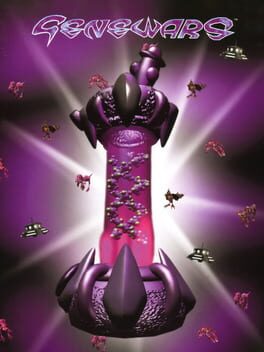
Genewars
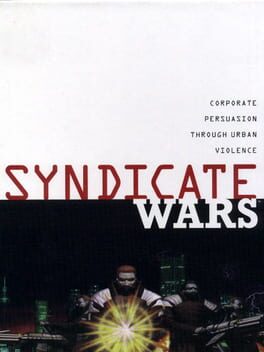 6.0
6.0Syndicate Wars
 6.7
6.7Hi-Octane
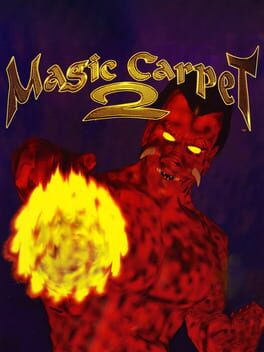 8.5
8.5Magic Carpet 2: The Netherworlds
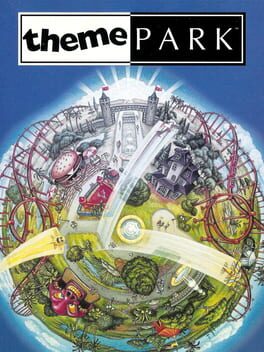 7.4
7.4Theme Park
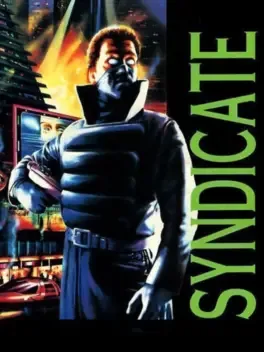 6.0
6.0Syndicate
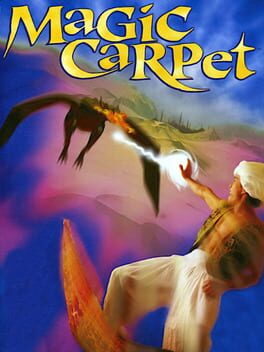 7.5
7.5Magic Carpet
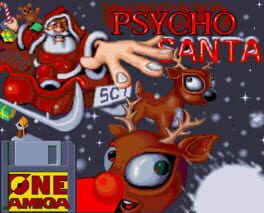
Psycho Santa
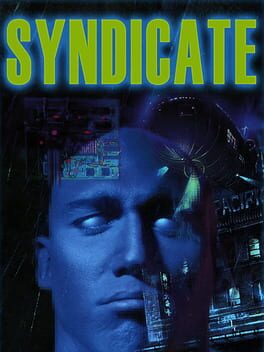 7.6
7.6Syndicate
 7.6
7.6Populous II: Trials of the Olympian Gods
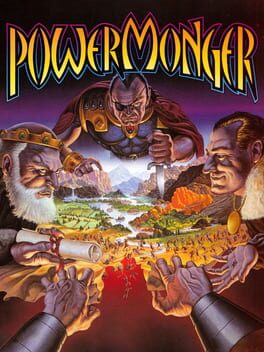 8.9
8.9PowerMonger
Flood
 7.4
7.4Populous
Fusion