Colestia
Colestia is the solo game development company of David Cribb, an Australian indie developer who makes games that incorporate left-wing political theory and content. Based in Canberra, Cribb has produced a substantial number of games since 2015, ranging from a short anti-capitalist city builder to a first-person narrative about communist witches.
Colestia at a Glance
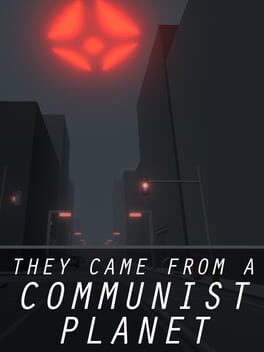
Colestia is the name David Cribb uses for his solo game development company based in Canberra, Australia. He started releasing games in 2015 and stopped active development around 2022. His work on PlayPile shows a total of 18 titles where he served as the developer, with six additional releases where he acted as a publisher. The catalog spans two decades, with fifteen games appearing in the 2010s and only three released in the 2020s. The studio focuses heavily on the Indie genre with seventeen entries. Simulators are also a major part of the output, accounting for eight titles. Adventure games make up six releases, while there are two role-playing games and one puzzle game. Most of his work targets PC via Microsoft Windows, Linux, and Mac, with sixteen, thirteen, and thirteen versions respectively. Web browser support appears in eight games. Colestia is known for making games that incorporate left-wing political theory and content. The IGDB bio describes a range from short anti-capitalist city builders to first-person narratives about communist witches. Recent releases include Scotty Goes to Centrelink in May 2022, Innocent Passage in January 2022, and A Hand With Many Fingers in June 2020. Other notable titles are A Worker's Guide to Espionage from June 2019 and They Came From a Communist Planet from November 2019. Quality metrics for the publisher show limited data on PlayPile since only one title has been rated. That single game, They Came From a Communist Planet, received a score of 70 out of 100. This places it in the good range between 60 and 79. The breakdown shows zero great ratings above 80, zero mixed scores between 40 and 59, and zero poor ratings below 40. The data indicates a consistent focus on specific political themes rather than broad genre experimentation or high-volume commercial output.
Genre Breakdown
Platform Spread
Release Timeline
Rating Distribution
Highest Rated Titles

Scotty Goes to Centrelink

Innocent Passage

A Hand With Many Fingers
 7.0
7.0They Came From a Communist Planet

A Worker's Guide to Espionage
The Interlude

A Bewitching Revolution

Moloch's Priest
Croatan
Daydreams in Red

Acephalus
A Night in Nowhere
Post/Capitalism

The Visible City

The Somerton Man
Crisis Theory
New Lethes