Beam Software
Later renamed Melbourne House, this was Australia's first game development and publishing studio. It was acquired by Krome Studios in 2006 to become Krome Studios Melbourne.
Beam Software at a Glance
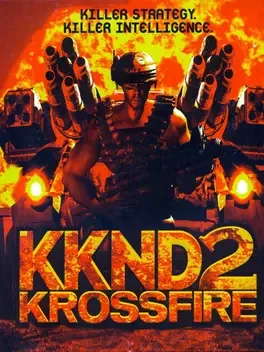
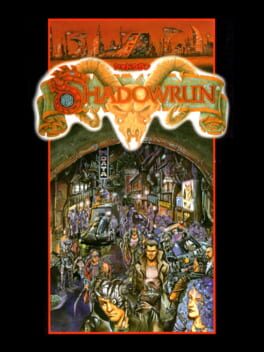
Beam Software stands as a significant chapter in Australian gaming history, operating from 1982 until 1998. This studio released 64 games during its active years, establishing itself as the country's first game development and publishing house. Their catalog spans three decades of output, with 26 titles appearing in the 1980s and a larger volume of 37 games released throughout the 1990s. The company served multiple platforms heavily, with the Commodore C64 family accounting for 24 releases and the ZX Spectrum hosting 19 games. DOS systems saw 15 titles, while PC Windows received 13. Beam Software also delivered content to Nintendo consoles, including 11 games on the NES and 10 each on the Super Nintendo and Game Boy. Genre diversity was a major part of their strategy, though Adventure games led the pack with 16 releases. Sport and Strategy followed closely with 15 and 14 titles respectively. Arcade, Shooter, and Fighting genres each had nine entries, while Platform and Puzzle games rounded out the majority of their work. Despite this wide reach, the critical reception across their 31 rated titles shows a mixed average score of 59.8 out of 100. The breakdown reveals that only two games achieved great status with ratings above 80, while 13 were considered good. Fourteen titles fell into the mixed category, and two received poor ratings below 40. High points in their portfolio include Shadowrun from 1993, which holds an 81.7 rating, and Choplifter III: Rescue Survive from 1994 at 80.3. The Way of the Exploding Fist (1985) reached 77.7, and The Hobbit: A Software Adventure (1982) scored 75.9. Bill & Ted's Excellent Game Boy Adventure also earned a solid 75 rating. By the end of their run in the late 1990s, they released Alien Earth in December 1998 and KKnD2: Krossfire in October of the same year, which received a 73 score. Other late-era titles like Cricket 97 and Caesars Palace appeared in 1997. The studio eventually changed its name to Melbourne House and was acquired by Krome Studios in 2006, evolving into Krome Studios Melbourne.
Genre Breakdown
Platform Spread
Release Timeline
Rating Distribution
Highest Rated Titles

Alien Earth
 7.3
7.3KKnD2: Krossfire
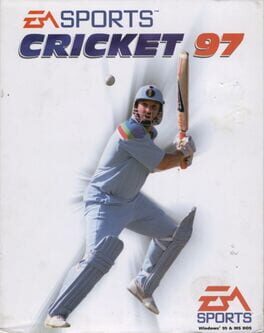
Cricket 97
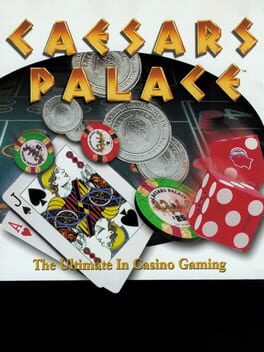
Caesars Palace

KKND: Krush Kill 'n Destroy Xtreme
 5.8
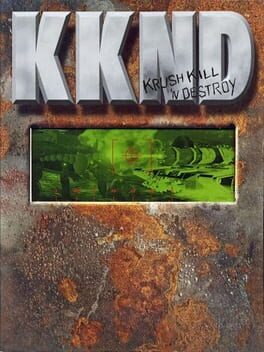
5.8KKND: Krush, Kill 'N' Destroy
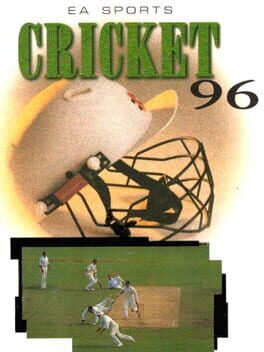
Cricket 96
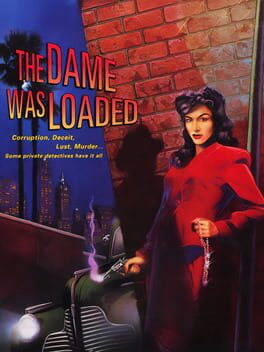 6.7
6.7The Dame Was Loaded
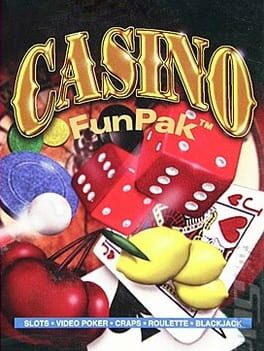 4.5
4.5Casino FunPak
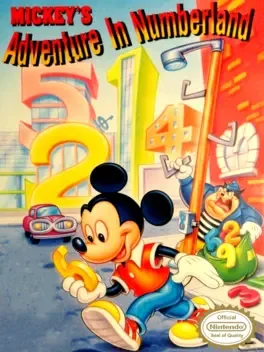 1.3
1.3Mickey's Adventure in Numberland
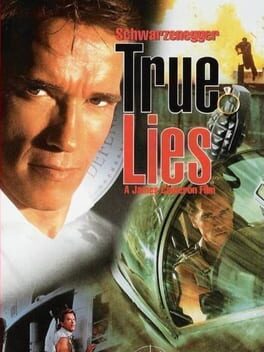 6.0
6.0True Lies
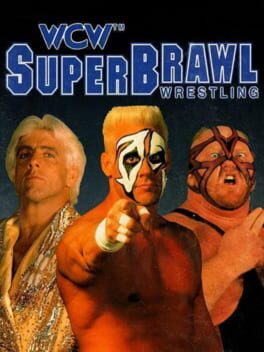
WCW SuperBrawl Wrestling
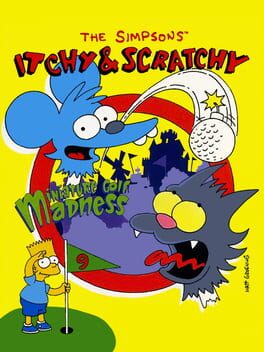 5.0
5.0The Simpsons: Itchy & Scratchy in Miniature Golf Madness
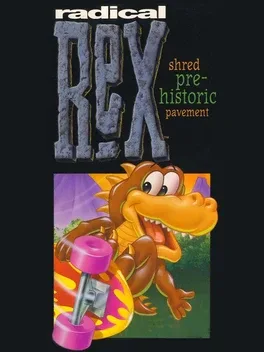 5.0
5.0Radical Rex
WCW: The Main Event
 8.0
8.0Choplifter III: Rescue Survive
Super Solitaire
 7.1
7.1Blades of Vengeance
 7.1
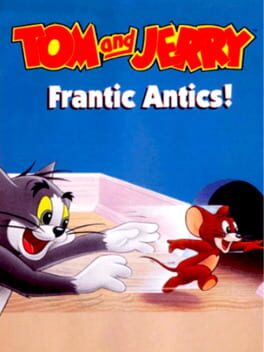
7.1Tom and Jerry: Frantic Antics!
 5.4
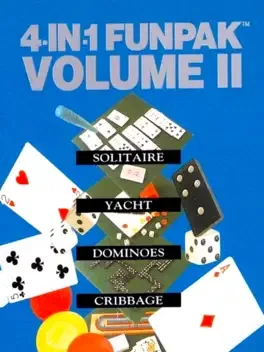
5.44-in-1 Funpak Volume II
 8.2
8.2Shadowrun
 6.5
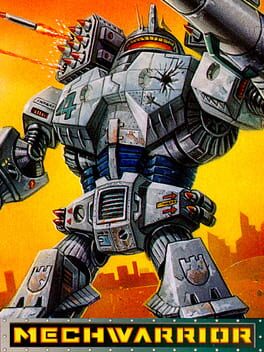
6.5MechWarrior
 6.0
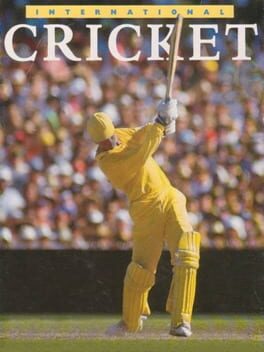
6.0International Cricket
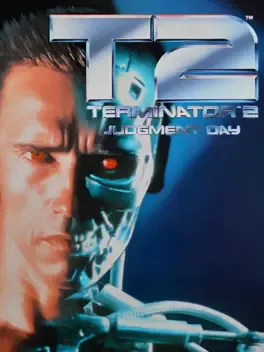
Terminator 2: Judgment Day
 5.8
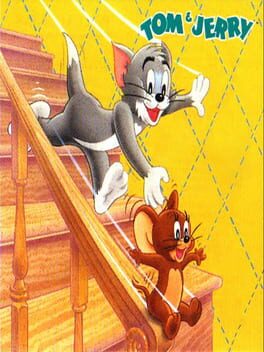
5.8Tom & Jerry
 5.8
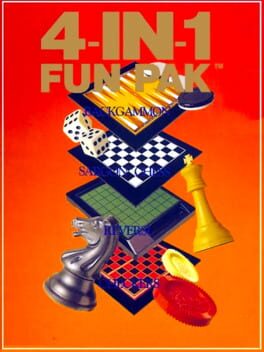
5.84-in-1 Fun Pak
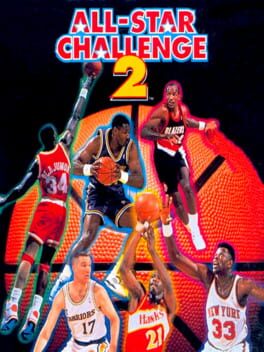 2.3
2.3NBA All-Star Challenge 2
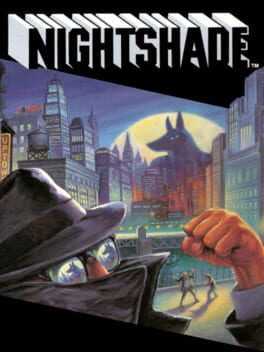 6.2
6.2Nightshade
 5.3
5.3George Foreman's KO Boxing
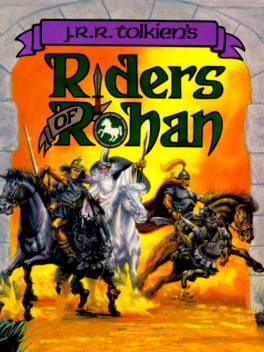
J.R.R. Tolkien's Riders of Rohan
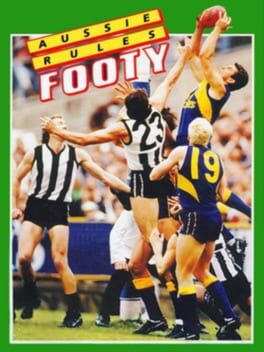
Aussie Rules Footy
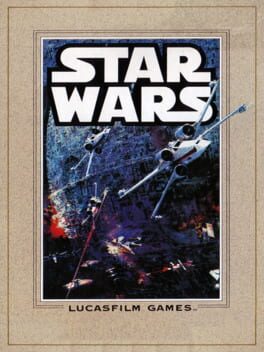 7.3
7.3Star Wars
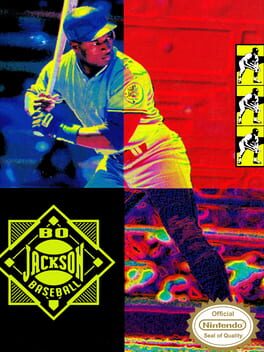
Bo Jackson Baseball
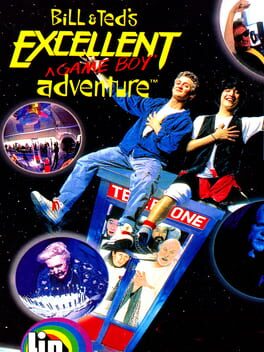 7.5
7.5Bill & Ted's Excellent Game Boy Adventure: A Bogus Journey!
 7.0
7.0Choplifter II: Rescue Survive
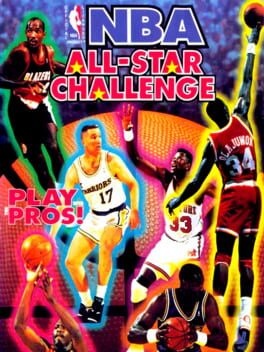 4.8
4.8NBA All-Star Challenge
 6.1
6.1The Punisher
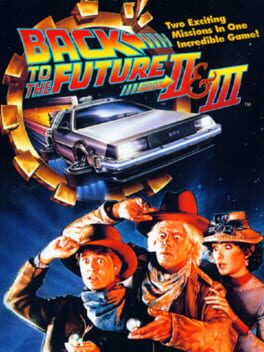
Back to the Future Part II & III

Bigfoot
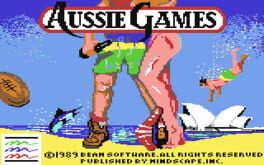
Australian Games
 4.5
4.5Back to the Future
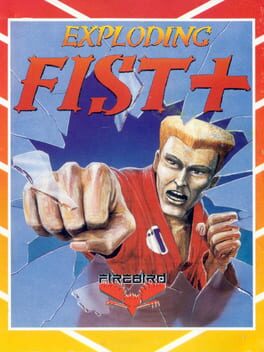
Exploding Fist +
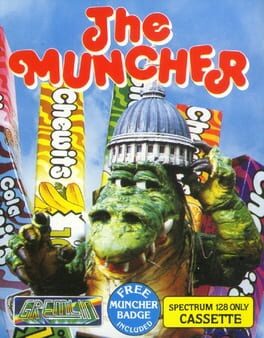
The Muncher
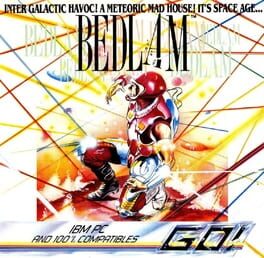
Bedlam
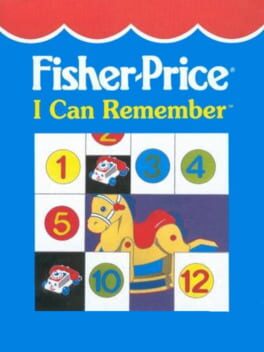
Fisher-Price: I Can Remember
 3.5
3.5Airwolf
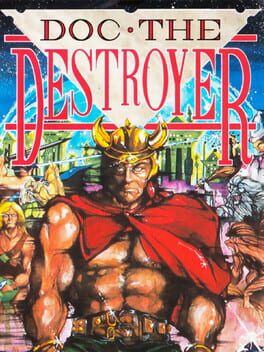
Doc the Destroyer