Dro Soft
Dro Soft was a Spanish software distributor during the second half of the 1980s and the first half of the 1990s. It started in 1984 from the record label Discos Radioactive Organizados (DRO), linked to the musical group Aviador Dro. Apart from distributing imported software, Dro Soft also distributed to small Spanish companies (Magic Hand, Josko Soft, Silicon Games, Techno Arts, Xortrapa Soft, Gamart, Animagic, Juliet Software, New Frontier) and developed its own production, including arcade titles (El Cid, 1987, or Explorer XXXI, 1988) or licensed games (the ZX Spectrum version of Budokan: The Martial Spirit, 1991). In 1994 it was acquired by Electronic Arts for the creation of its delegation in Spain.
Dro Soft at a Glance
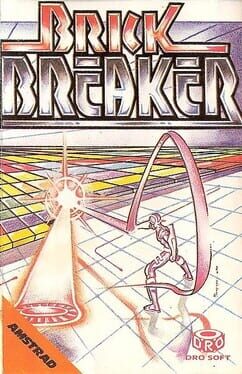
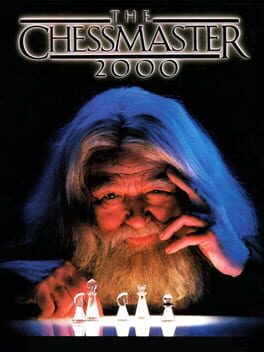
Dro Soft was a Spanish publisher and developer active from 1986 to 1998. The company began as a subsidiary of the record label Discos Radioactive Organizados, which was linked to the musical group Aviador Dro. For most of its history, it functioned primarily as a distributor for imported software and small Spanish studios like Magic Hand and Josko Soft. They also produced their own titles, ranging from arcade games such as El Cid in 1987 to licensed ports like Budokan: The Martial Spirit on the ZX Spectrum in 1991. In 1994, Electronic Arts acquired Dro Soft to establish its Spanish delegation. The catalog listed on PlayPile contains ten games where the company acted as a publisher and one game developed by them. Their output was heavily concentrated in the 1980s with eight releases, dropping to just two titles in the 1990s before the company ceased operations under its original name. The platform focus shows a clear reliance on home computers from that era, particularly the Amstrad CPC which supported nine games, followed by the ZX Spectrum with eight and the MSX with seven. They also released five games for DOS and Commodore systems, with fewer titles appearing on the Amiga or Atari ST. Their genre list is broad, covering four arcade entries alongside simulator, strategy, and adventure games. Quality control varied across their library. The average rating of 68.8 comes from only three titled releases that have been scored by users. One title stands out as a strong entry with an 88.3 score for The Duel: Test Drive II in 1989. Another entry, The Chessmaster 2000 from 1986, holds a good rating of 78.2. However, the catalog also includes mixed or lower-rated content, such as Brick Breaker which sits at 40/100. Most games were released between 1986 and 1991, with later releases like Triple Comando in December 1998 appearing much later than the main body of work. The company did not maintain a high volume of production over time, ending its independent run shortly before the turn of the millennium.
Genre Breakdown
Platform Spread
Release Timeline
Rating Distribution
Highest Rated Titles
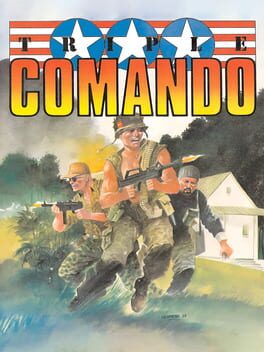
Triple Comando
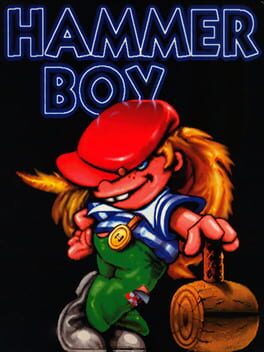
Hammer Boy

 8.8
8.8The Duel: Test Drive II
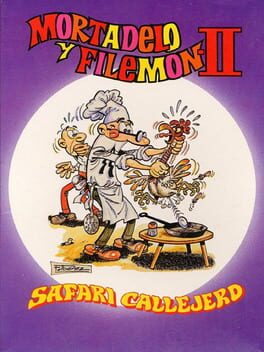
Mortadelo y Filemón II: Safari Callejero
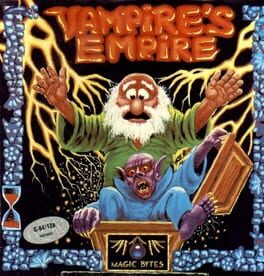
Vampire's Empire
 4.0
4.0Brick Breaker
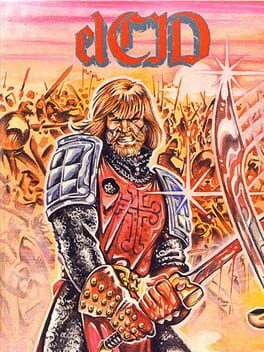
El Cid

Chuck Yeager's Advanced Flight Trainer
 5.0
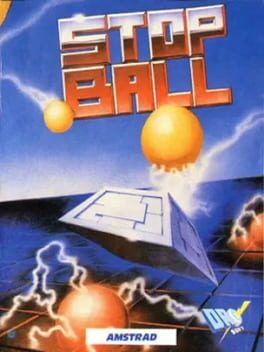
5.0Stop Ball
 7.8
7.8