Graphic Research
Graphic Research Co., Ltd. (グラフィックリサーチ株式会社; also went by GRC for short) was established in May 1982, incorporated on June 8, 1984. They worked on numerous systems, most notably the Famicom, Super Famicom, Game Boy, Game Boy Color, Game Boy Advance, WonderSwan, Genesis, and PlayStation.
Graphic Research at a Glance
Graphic Research is a Japanese developer established in May 1982 that has released 29 titles exclusively as a developer between 1988 and 2002. The company produced almost no games before the 1990s, with just one title appearing in the 1980s. Their output peaked during the 1990s when they released 23 games. They slowed down significantly in the new millennium, releasing only five titles between 2000 and 2002 before their activity stopped. Their catalog shows a clear preference for action-oriented genres. Sport games make up the largest portion of their work with 10 releases, followed by Racing games at six and Platformers at four. They also touched on Role-playing, Adventure, and Strategy titles, though these accounts made up a smaller slice of their portfolio. The studio worked across a wide range of hardware but focused heavily on handheld systems. Eight of their games appeared on the Game Boy, while seven went to the Family Computer. They also released six titles for the Super Famicom and five for the PlayStation. Other platforms like the WonderSwan Color, MSX, and Sega Master System saw far fewer releases from them. The quality of their work appears mixed based on the limited data available. Only two titles have user ratings recorded on PlayPile, both falling into the good range between 60 and 79. Solomon's Club scored 64 points in 1991, and Mickey no Tokyo Disneyland Daibouken received a slightly higher score of 68.3 in 1994. The average rating across these two games is 66.1 out of 100. Recent releases from their final years include Runabout 3: Neo Age and two versions of Shaman King: Asu he no Ishi in late 2002. They also handled One Piece: Treasure Wars earlier that same year. While they covered many systems including the Genesis and Game Boy Advance, the majority of their visible output remains tied to the Game Boy and Famicom eras.
Genre Breakdown
Platform Spread
Release Timeline
Rating Distribution
Highest Rated Titles
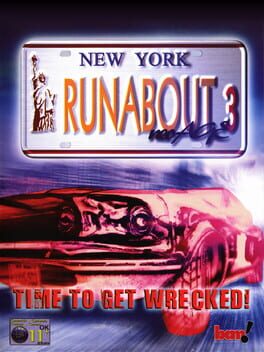
Runabout 3: Neo Age
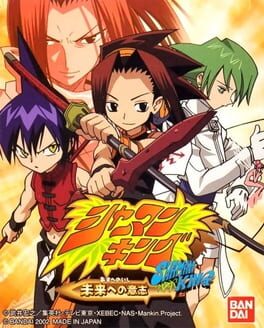
Shaman King: Asu he no Ishi
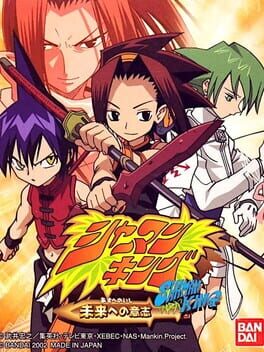
Shaman King: Asu he no Ishi
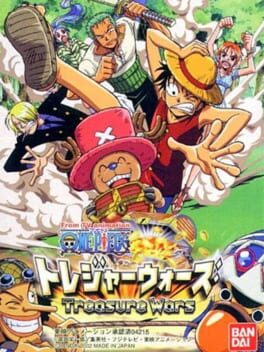
One Piece: Treasure Wars
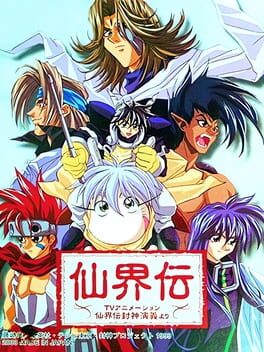
Senkaiden: TV Animation Senkaiden Houshin Engi Yori
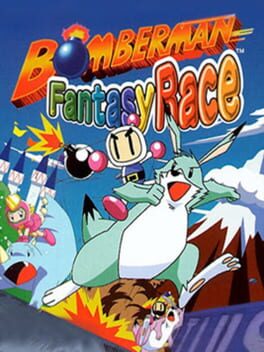
Bomberman Fantasy Race
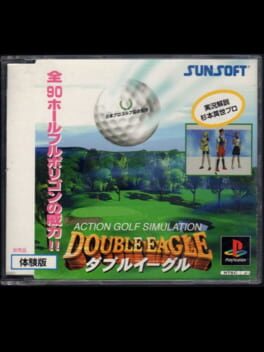
Double Eagle
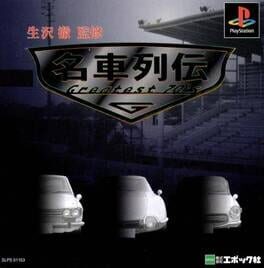
Tetsu Ikuzawa Kanshuu Meisha Retsuden: Greatest 70's
Nihon Pro Golf Double Eagle
Speed Racer
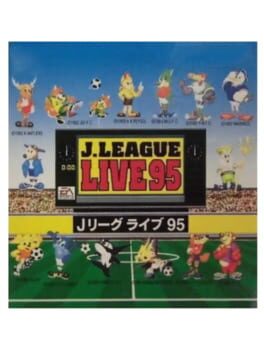
J.League Live '95
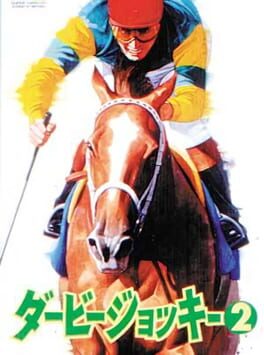
Derby Jockey 2
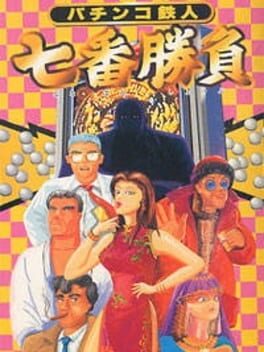
Pachinko Tetsujin: Shichiban Shoubu
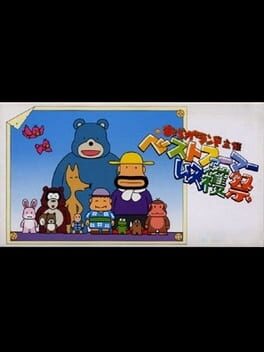
Oraga Land Shusai: Best Farmer Shuukaku-Sai
 6.8
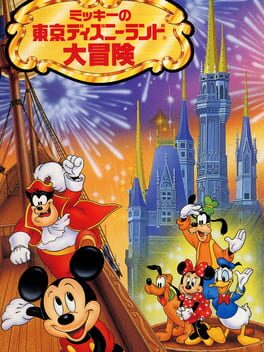
6.8Mickey no Tokyo Disneyland Daibouken
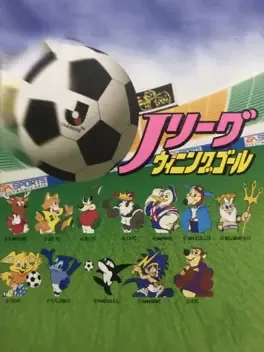
J.League Winning Goal
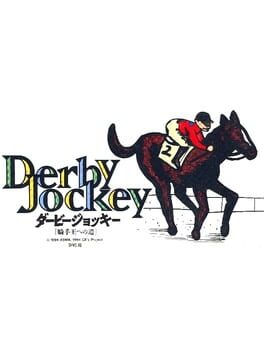
Derby Jockey: Kishou he no Michi
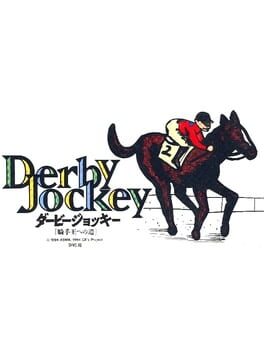
Derby Jockey: Kishu-ou he no Michi
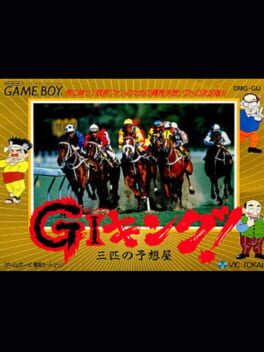
GI King!: Sanbiki no Yosouya
Xerd no Densetsu 2: Xerd!! Gishin no Ryouiki
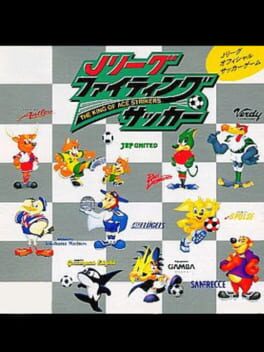
J.League Fighting Soccer: The King of Ace Strikers
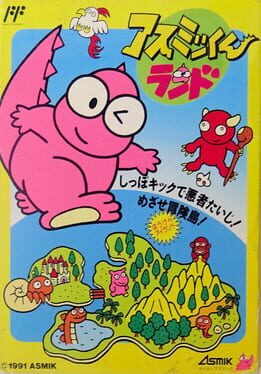
Asmik-kun Land
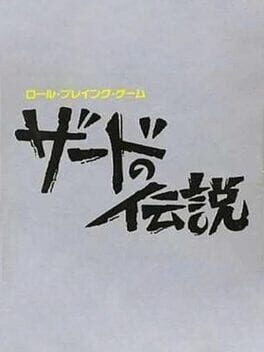
Xerd no Densetsu
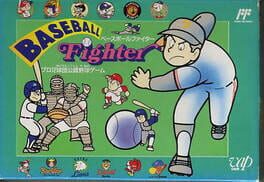
Baseball Fighter
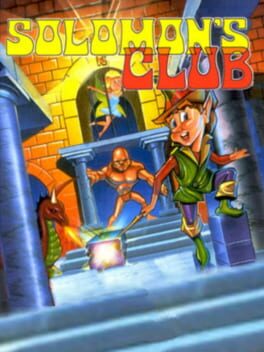 6.4
6.4Solomon's Club
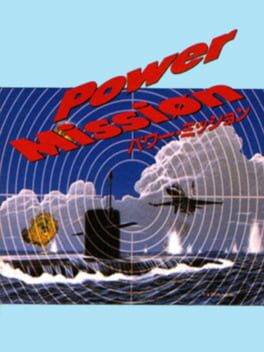
Power Mission
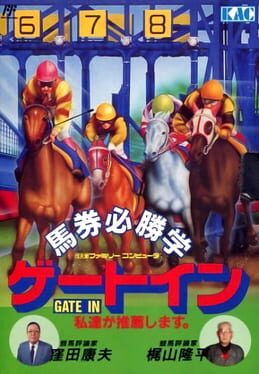
Baken Hisshou Gaku: Gate In
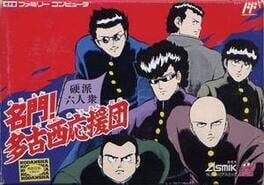
Meimon! Tako Nishi Ouendan