Image Works
Image Works was a British video game publisher that served as a publishing label for Mirrorsoft between 1988 and 1992, when the parent company went bankrupt. Image Works notably became the European publisher for all the titles developed by The Bitmap Brothers, starting with their second game Speedball, until The Bitmap Brothers founded their own publishing brand Renegade Software.
Image Works at a Glance
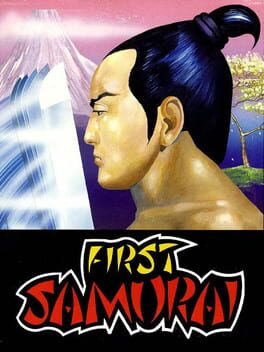
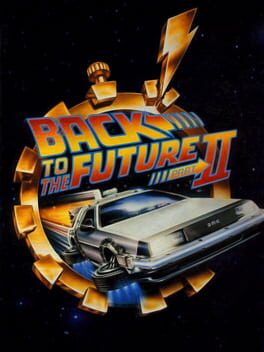
Image Works operated as a British video game publisher from 1987 to 2000. They released 23 games on PlayPile while acting as a developer on five of those titles. The company started as a publishing label for Mirrorsoft and continued until the parent company went bankrupt in 1992. During this time, they served as the European publisher for all titles created by The Bitmap Brothers. This partnership began with Speedball and ended only when The Bitmap Brothers launched their own brand called Renegade Software. The studio focused heavily on the 16-bit era, with most of their catalog appearing on the Amiga and Atari ST platforms. Their output shifted slightly over time as they released ten games in the 1980s and twelve in the 1990s. Only one game appeared in the 2000s. This final release was Sotsugyou Graduation for the WonderSwan console in January 2000. Their genre list shows a strong preference for Arcade titles, which account for ten games, followed by Strategy and Adventure games with eight entries each. They also published seven shooters and five platformers. Ratings for Image Works projects show mixed results across their catalog. The average IGDB rating sits at 57.2 out of 100 based on eight reviewed titles. There are no great rated games in their history, but they have three good titles and five that fall into the mixed category. Their highest rated game is Tyrants: Fight Through Time from 1991, which holds a score of 79.8. First Samurai released the same year scored 72.5. Bloodwych from 1989 received a 63.5, while Back to the Future Part II sits at 59.9. Some releases struggled significantly, such as Back to the Future Part III from 1991, which holds a score of 41.5. The studio also released Blasteroids in 1987 with a score of 52.9. Their later efforts like Pixygarden and Ecsaform did not appear to generate high scores or widespread attention on the platform.
Genre Breakdown
Platform Spread
Release Timeline
Rating Distribution
Highest Rated Titles
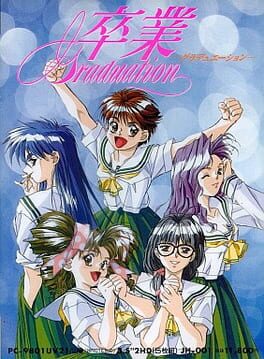
Sotsugyou Graduation for WonderSwan
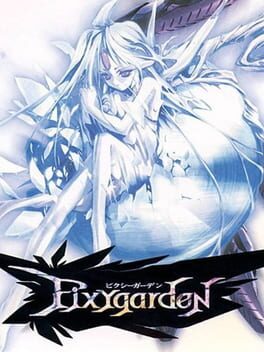
Pixygarden
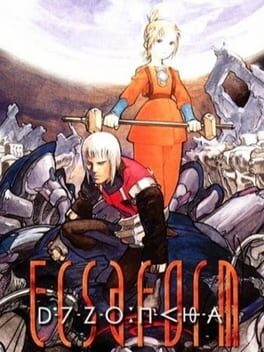
Ecsaform
 8.0
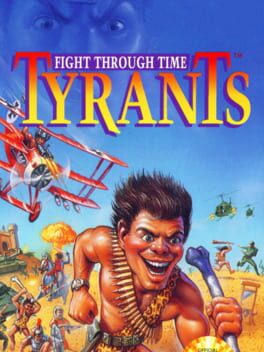
8.0Tyrants: Fight Through Time
Devious Designs
 4.2
4.2Back to the Future Part III
The Killing Cloud
Blade Warrior
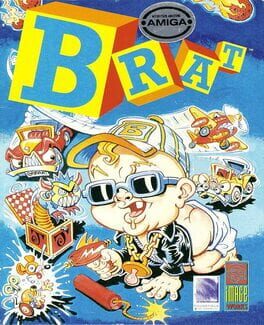
Brat
 7.3
7.3First Samurai
 6.0
6.0Back to the Future Part II
 4.0
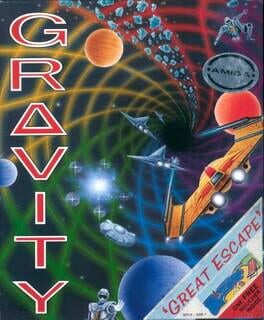
4.0Gravity
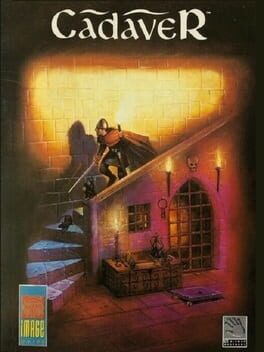 4.8
4.8Cadaver
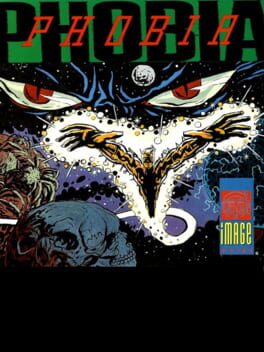
Phobia
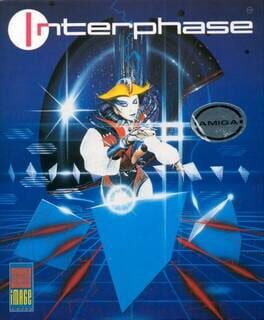
Interphase
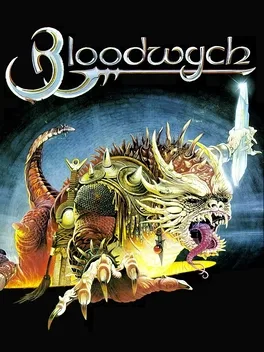 6.4
6.4Bloodwych
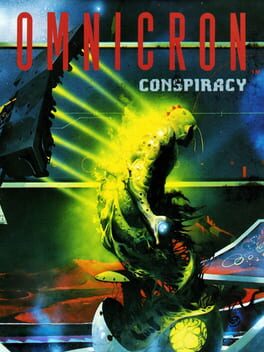
Omnicron Conspiracy
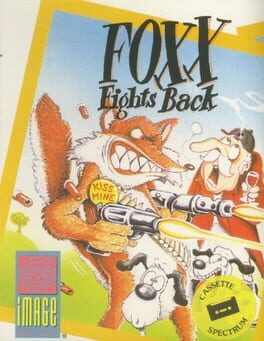
Foxx Fights Back
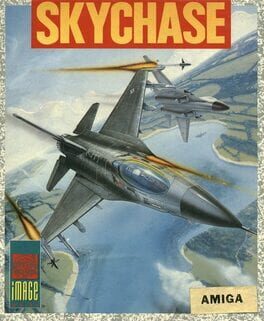
SkyChase
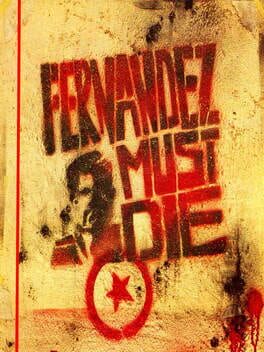
Fernandez Must Die
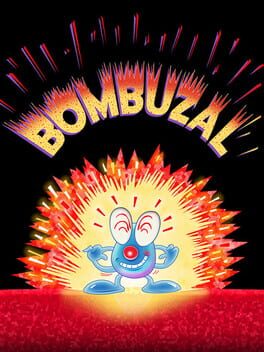
Bombuzal
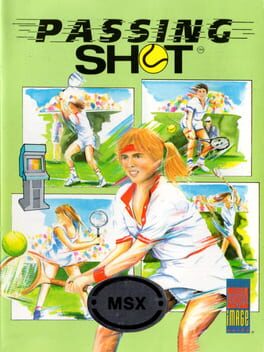
Passing Shot
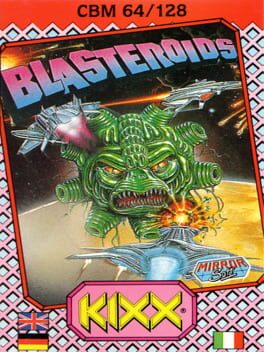 5.3
5.3