Interchannel
Renamed from NEC Interchannel in 2004, merged into Interchannel-Holon in 2006 (under parent company Index). Its games catalog was later purchased by GungHo Works in 2007, becoming a new brand (GungHo Works). Index reinstated the Interchannel brand in 2008.
Interchannel at a Glance
Interchannel is a Japanese publisher that operated from 2002 through 2009. The company released exactly 14 titles during this period, with thirteen of those entries listed as published works and three as developed projects. Their catalog shows a heavy reliance on the PlayStation 2 platform, which accounts for ten of their releases. They also touched the Nintendo DS with three games and the PlayStation Portable with another three. The company had minimal reach outside these console systems, releasing only one game for PC and one for the PlayStation Vita. The genre focus for Interchannel is clearly defined by visual novels. Eight of their fourteen titles fall into this category. The remaining six entries span adventure, role-playing games, strategy, tactical, arcade, puzzle, simulator, and fighting genres. This distribution indicates a primary business model centered on narrative-driven experiences rather than broad action or sports titles. Several specific games illustrate this range, including the visual novel School Days LxH from 2008 and the fighting game Hokuto no Ken: Raou Gaiden - Ten no Haou from 2009. Other releases like Chara Chenko appeared in late 2009, marking one of their final output dates before the brand shifted again. Corporate changes disrupted their timeline significantly. The entity known as NEC Interchannel renamed itself to Interchannel in 2004. By 2006, they merged into Interchannel-Holon under the parent company Index. Their entire catalog was then purchased by GungHo Works in 2007. Despite this sale, Index reinstated the Interchannel brand in 2008 to handle a few more releases before operations ceased around 2009. The data does not provide specific rating scores for their library. However, the sheer volume of visual novels relative to other genres suggests a niche market approach. With only fourteen games total over seven years, their output was quite small compared to major industry players. The shift in corporate ownership during their active years likely impacted their long-term stability and development capacity. Players interested in this publisher will find a limited selection concentrated on the PlayStation 2 era of Japanese visual novels.
Genre Breakdown
Platform Spread
Latest & Upcoming
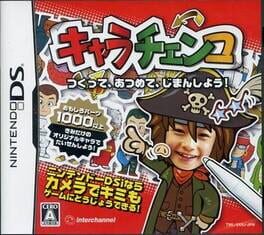
Chara Chenko
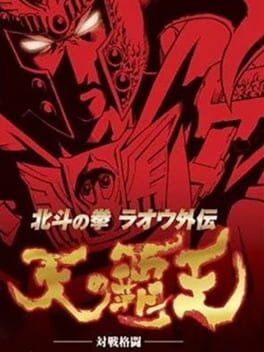
Hokuto no Ken: Raou Gaiden - Ten no Haou
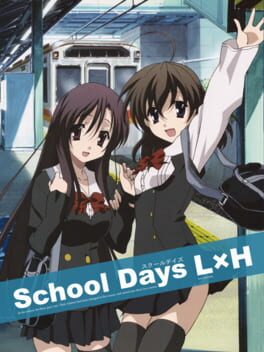
School Days LxH
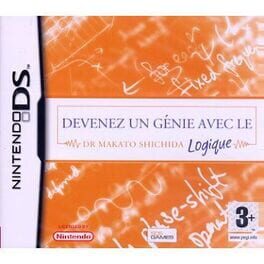
Unou Tanren UnoTan DS: Shichida Shiki Otona no Shun Kan Training
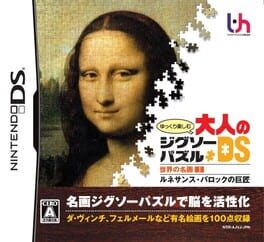
Yukkuri Tanoshimu Otona no Jigsaw Puzzle DS: Sekai no Meiga 1 - Renaissance, Baroque no Kyoshou
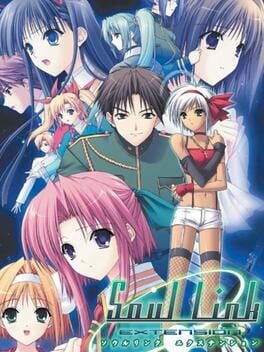
Soul Link Extension
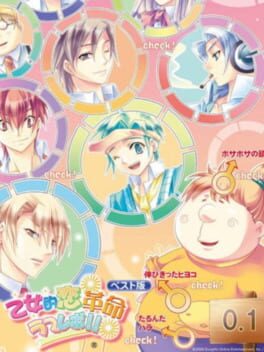
Otometeki Koi Kakumei Love Revo!!

Rilakkuma: Ojama Shitemasu 2-shuukan

Gakuen Heaven: Okawari!
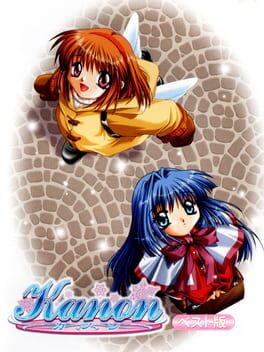
Kanon: Best Edition
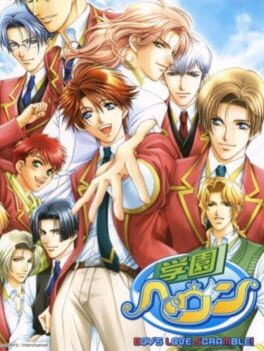
Gakuen Heaven: Boy's Love Scramble! Type B
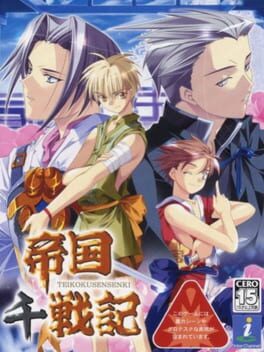
Teikoku Sensenki

Gakuen Heaven: Boy's Love Scramble