Kaboose
Kaboose was a Canadian media company targeting the broader English-speaking market across North America. It published a website of the same name which focused on family activities and parenting for mothers of children under 12.
Kaboose at a Glance
Kaboose operated as a Canadian media company from 2000 until it ceased activity in 2008. The firm launched with a clear goal to reach families across North America, specifically targeting English-speaking households with children under the age of twelve. Their digital presence centered on a website dedicated to parenting resources and family activities. While they positioned themselves as a publisher and developer, their actual output for this platform was quite limited. PlayPile currently lists only nine games associated with the studio, all released within the same decade. The company focused heavily on arcade titles, which make up seven of their nine projects. They also produced five platformers and two adventure games. Every single game they created was built for web browsers, meaning players needed an internet connection to access these titles. This narrow platform strategy defined their entire run from founding to closure. Their catalog includes specific licensed titles such as Froot Loops: Black Beak's Treasure Cove and Transylmania II: The Vampire Bites Back! alongside original concepts like Protectron 23 vs. the Alien Armada and Aargh! the Pirate in… Shark Attack Smackdown! Their release schedule shows a steady but brief period of activity. Most games appeared between late 2005 and late 2008, with no significant output before or after these years. The final game listed for the studio is Colonel Kerfuffle in Tiki Treasure, which arrived in December 2008 just as operations seem to have wound down. The data does not provide specific rating scores for these titles, so it is impossible to determine if their work was generally well-received or poor based on this dataset alone. What is clear is that Kaboose maintained a consistent output of browser-based games for children throughout the 2000s before disappearing from the market entirely. They did not expand into other genres or platforms during their eight years of operation.
Genre Breakdown
Platform Spread
Colonel Kerfuffle in Tiki Treasure
Aargh! the Pirate in… Shark Attack Smackdown!
Transylmania II: The Vampire Bites Back!
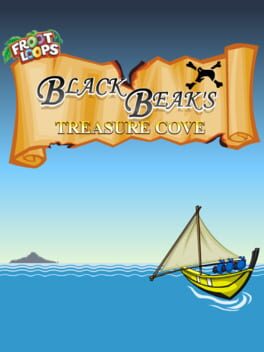
Froot Loops: Black Beak's Treasure Cove
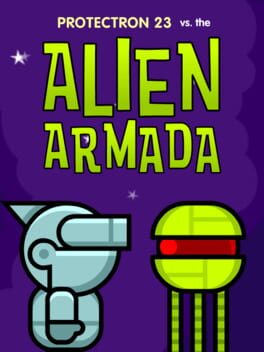
Protectron 23 vs. the Alien Armada

Evil Elves II: The Return of the Christmas Presents!
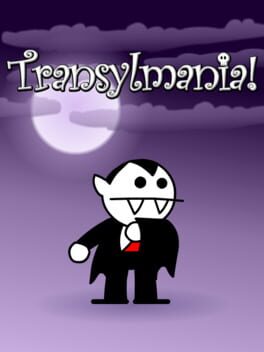
Transylmania
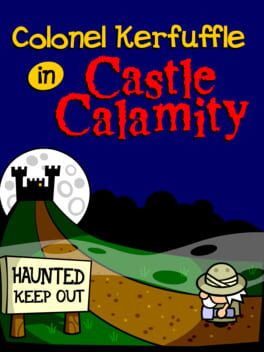
Colonel Kerfuffle in Castle Calamity