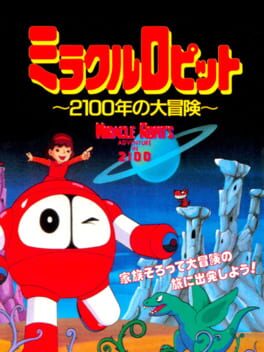
King Records
King Records is one of Japan's largest record companies founded in the 1930s. Even though the main company is not focused on video games, their name has been used for publishing some games over the 2000s.
King Records at a Glance
You might know King Records as a major Japanese music label established in the 1930s, but they also have a footprint in the video game industry. Their involvement is quite small compared to their main business. PlayPile lists only 17 games under their name, with just one title where they acted as a developer while handling publishing duties for the rest. This limited output spans from 1987 all the way to 2023, showing activity over four decades. Most of their work appeared in the 1990s when they released 11 titles. The following decade saw a drop to just four games, and the 1980s and 2020s each contributed only a single entry. Their catalog covers a wide range of genres without sticking to one style. Sports games make up their largest group with five releases, followed by card and board games, adventure titles, and fighting games which all have three entries. They also dabbled in role-playing games, puzzles, platformers, point-and-click adventures, visual novels, and turn-based strategy. King Records focused heavily on older Nintendo hardware. Five of their 17 games are for the Super Famicom, while they released three titles for the Game Boy Color. Other platforms include the Family Computer, PlayStation, Android, iOS, Turbografx-16/PC Engine CD, PC, and PlayStation 3. Recent releases show they still have a presence in the market. In April 2023, they published MagiDes Kai: Mahou Shoujo Magical Destroyers Kai. Other recent titles include Azumanga Daioh Advance from 2003, two versions of Shaman King Chou Senjiryokketsu in late 2001, and Dejiko no Mahjong Party from 2000. The data does not provide specific review scores for their games on PlayPile, so we cannot definitively state if the quality is consistently great or poor. However, the sheer volume of titles suggests they were more interested in licensing and publishing rather than creating deep gaming experiences. Their portfolio reflects a company that used its name to publish various licensed properties across many systems rather than building a dedicated game development studio. While they operated for 36 years, their game output remains a minor side project compared to their primary role in the music industry.
Genre Breakdown
Platform Spread
Release Timeline

MagiDes Kai: Mahou Shoujo Magical Destroyers Kai

Azumanga Daioh Advance

Shaman King Chou Senjiryokketsu: Funbari Version

Shaman King Chou Senjiryokketsu: Meramera Version

Dejiko no Mahjong Party

Doki-doki Poyacchio!!

3x3 Eyes: Tenrin-ou Genmu

Bakuretsu Hunter R

Fishing Koushien
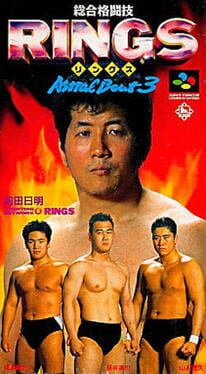
Sougou Kakutougi Rings: Astral Bout 3

Sougou Kakutougi: Astral Bout 2 - The Total Fighters

Super Kyousouba: Kaze no Silpheed
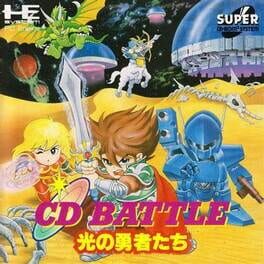
CD Battle: Hikari no Yuushi-tachi

Sougou Kakutougi: Astral Bout

The Adventures of Star Saver

Akagawa Jirou no Yuurei Ressha