Marvelous Interactive
Marvelous Interactive (株式会社マーベラスインタラクティブ) was a developer and publisher of video games, established as Victor Interactive Software. On March 20, 2007, Marvelous Entertainment Inc. announced Marvelous Interactive Inc. would be merged into its parent company, Marvelous Entertainment Inc., effective on June 30, 2007.
Marvelous Interactive at a Glance
Marvelous Interactive operated as a Japanese developer and publisher from the early 2000s until around 2010. The company released 31 titles across its lifespan, with 17 published and 25 developed under its name. Their output was almost entirely concentrated in the 2000s decade, where they launched 30 games. Only a single title appeared in the 2010s before the entity merged into Marvelous Entertainment Inc. in mid-2007. Their library shows a clear preference for simulation and role-playing games. The data lists 18 simulator titles and 20 role-playing games as their top genres. They also released adventure, sport, and strategy games, but these categories had significantly fewer entries. Most of their work targeted Nintendo hardware. The PlayStation 2 saw 10 releases from them, while the Nintendo DS held seven titles. They also supported platforms like the Game Boy Advance, GameCube, and Wii with multiple projects each. The quality of their catalog varied considerably. Across 17 rated games on PlayPile, the average score sat at 68.4 out of 100. Their best work included several Harvest Moon entries that achieved great ratings. Harvest Moon: Friends of Mineral Town reached 88.4, and Harvest Moon: A Wonderful Life scored 84.5. Another Wonderful Life and its special edition also crossed the 80 mark. These high scores suggest their early farming simulators were well-received by players. However, their later releases in the late 2000s did not maintain that peak performance. Games like Harvest Moon: Animal Parade dropped to a 70.2 rating, and Sunshine Islands fell further to 66.5. The overall rating breakdown shows four great titles and 11 good ones, but also two poor games that scored below 40. This indicates a decline in consistency as the decade progressed. Their output volume was modest compared to larger publishers, and their focus remained narrow on specific genres for handheld consoles before they ceased independent operations.
Genre Breakdown
Platform Spread
Release Timeline
Rating Distribution
Highest Rated Titles
 7.2
7.2Harvest Moon: The Tale of Two Towns
Harvest Moon: My Little Shop
 7.6
7.6Harvest Moon DS: Grand Bazaar
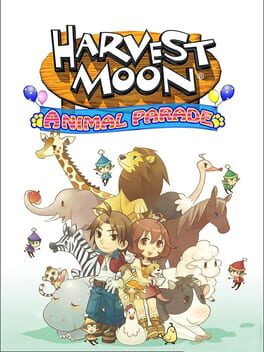 7.0
7.0Harvest Moon: Animal Parade
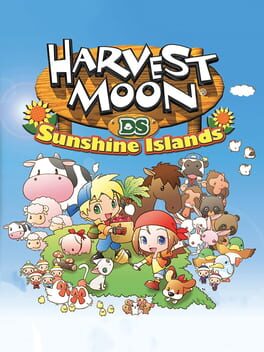 6.6
6.6Harvest Moon DS: Sunshine Islands
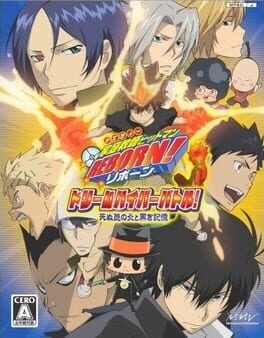
Katekyou Hitman Reborn!: Dream Hyper Battle!
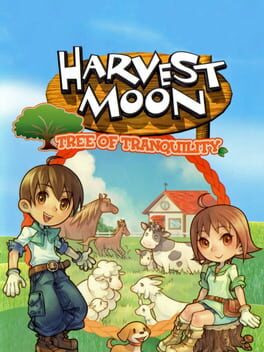 7.2
7.2Harvest Moon: Tree of Tranquility
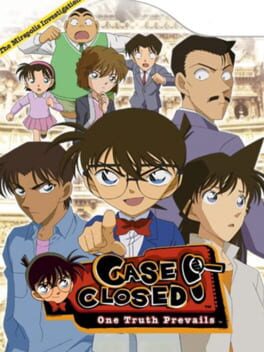
Case Closed: The Mirapolis Investigation
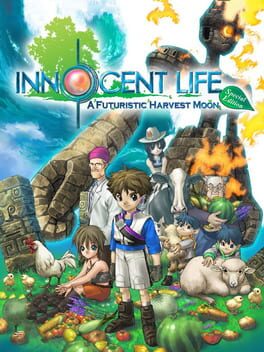
Innocent Life: A Futuristic Harvest Moon - Special Edition
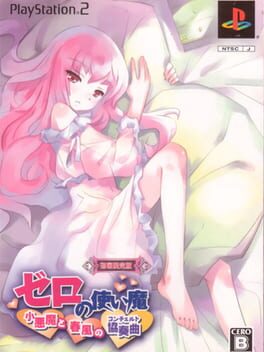
Zero no Tsukaima: Ko-akuma to Harukaze no Concerto
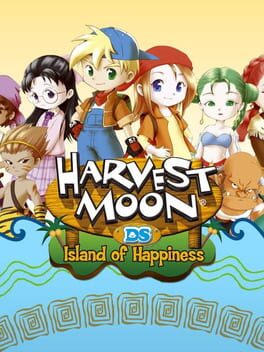 7.2
7.2Harvest Moon DS: Island of Happiness
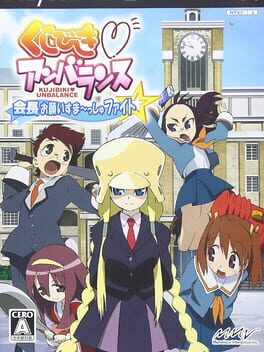
Kujibiki Unbalance: Kaichou Onegai Smash Fight
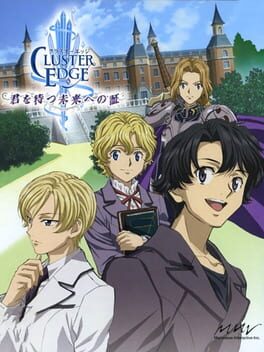
Cluster Edge: Kimi wo Matsu Mirai he no Akashi
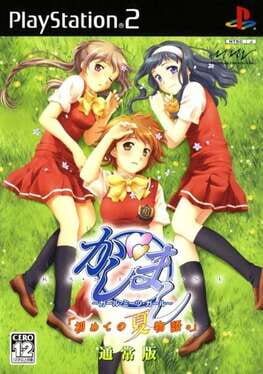
Kashimashi Girl Meets Girl: Hajimete no Natsu Monogatari
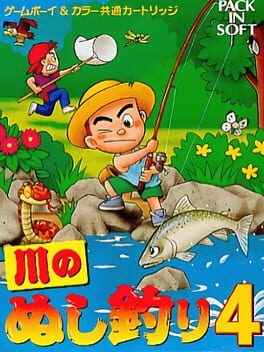
Kawa no Nushi Tsuri 4
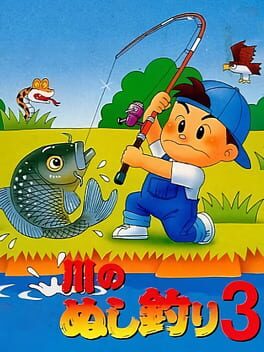
Kawa no Nushi Tsuri 3
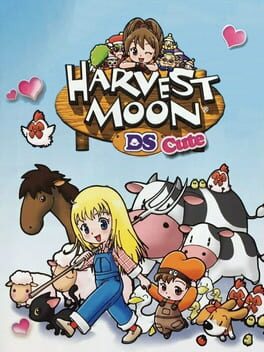 6.5
6.5Harvest Moon DS Cute
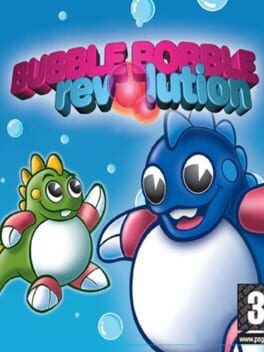 3.5
3.5Bubble Bobble Revolution
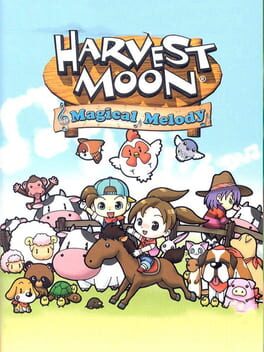 6.6
6.6Harvest Moon: Magical Melody
Gakkou wo Tsukurou!! Happy Days
 6.6
6.6Harvest Moon DS
Bokujou Monogatari: Shiawase no Uta
 6.0
6.0Swords of Destiny
 3.0
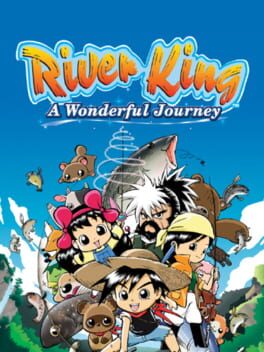
3.0River King: A Wonderful Journey
 8.0
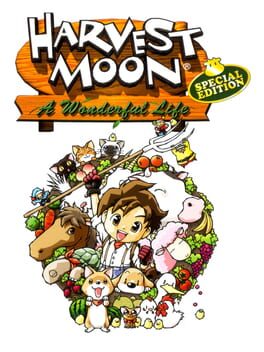
8.0Harvest Moon: A Wonderful Life Special Edition
 8.2
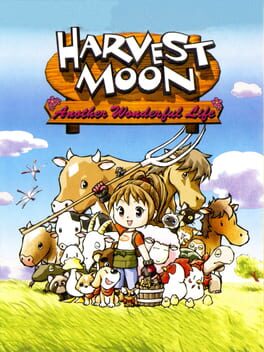
8.2Harvest Moon: Another Wonderful Life
Licca-chan no Oshare Nikki
 7.7
7.7Harvest Moon: More Friends of Mineral Town
 8.5
8.5Harvest Moon: A Wonderful Life
 8.8
8.8Harvest Moon: Friends of Mineral Town