Millennium Interactive
From the Wiki: "The company was founded by Michael Hayward, Tony Beckwith, Ian Saunter in 1988. In 1993, Steve Grand began developing a project based on artificial life. In November 1994, Cyberlife was established to further the development of Steve Grand's concept for artificial life game. By November 1996, there were 10 people in this department. On 4 July 1997, Millennium Interactive, along with several of their upcoming projects, was sold to Sony Interactive Entertainment for an undisclosed amount and was subsequetnly renamed to SCE Cambridge Studio, which was later reorganized as Guerrilla Cambridge as a subsidiary to the Dutch first-party video game developer Guerrilla Games, which is also owned by Sony."
Millennium Interactive at a Glance
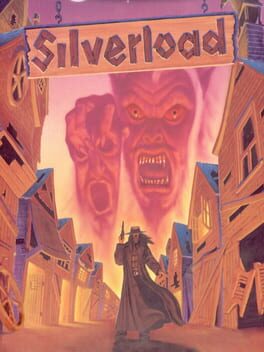
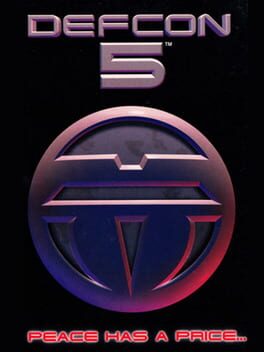
Millennium Interactive operated as a British publisher and developer from 1986 until 1995. The company released 18 titles listed on PlayPile, with the vast majority appearing in the 1990s. They only managed to release one game during the 1980s before their output surged in the following decade. Their catalog spans several platforms, but they clearly focused on older 16-bit systems. The Amiga held the most titles with 13 games, followed by the Atari ST and STE with 9 releases. They also published 8 games for DOS and smaller numbers for the Sega Mega Drive and Super Nintendo Entertainment System. The company had a strong preference for platformers, which accounted for 8 of their total releases. Adventure games made up 5 titles, while strategy and arcade games each appeared in 4 and 3 instances respectively. Their average rating across five tracked titles sits at 58.1 out of 100. This score reflects a mix of outcomes rather than consistent quality. Two of their games rated as good, falling between 60 and 79 points. Three others landed in the mixed category between 40 and 59 points. They did not have any titles that reached the great tier above 80 points, nor did they produce anything considered poor below 40 points. Their most recent releases show a slight upward trend in critical reception. SilverLoad and Defcon 5 both came out in late 1995 with scores of 60 and 70 respectively. Defcon 5 stands as their highest-rated game. Earlier James Pond entries like Underwater Agent and Operation Starfish scored lower, sitting around 50 to 59 points. The company was founded by Michael Hayward, Tony Beckwith, and Ian Saunter in 1988. They later explored artificial life concepts through a project led by Steve Grand, which eventually became Cyberlife. This division grew to include ten people by November 1996. In July 1997, Sony Interactive Entertainment purchased the company and its remaining projects. The studio was renamed SCE Cambridge Studio before reorganizing into Guerrilla Cambridge.
Genre Breakdown
Platform Spread
Release Timeline
Rating Distribution
Highest Rated Titles
 6.0
6.0SilverLoad
 7.0
7.0Defcon 5
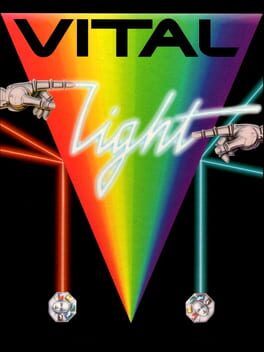
Vital Light
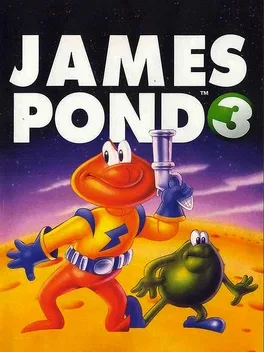 6.0
6.0James Pond 3: Operation Starfish
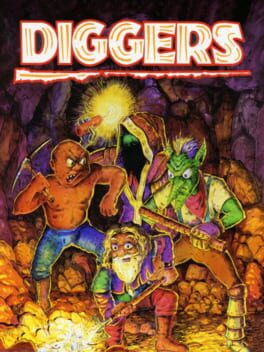
Diggers
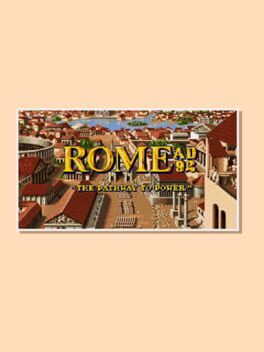
Rome Pathway to Power
 5.0
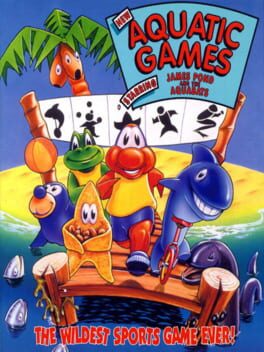
5.0The Aquatic Games: Starring James Pond and the Aquabats
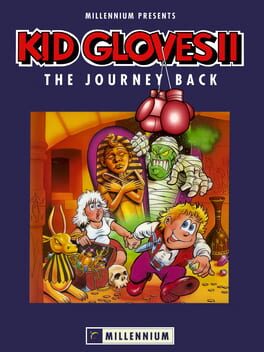
Kid Gloves II: The Journey Back
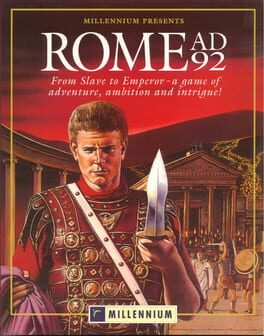
Rome: AD 92
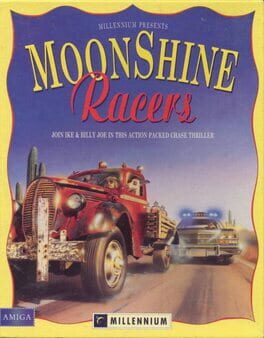
Moonshine Racers
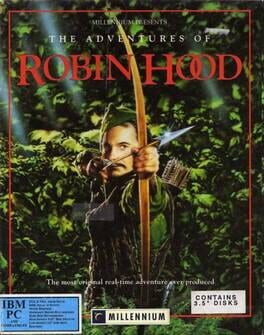
The Adventures of Robin Hood
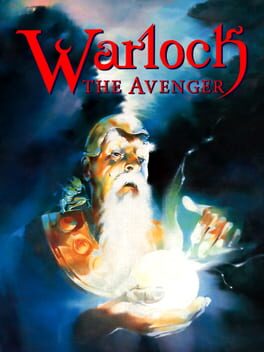
Warlock: The Avenger

Yolanda: The Ultimate Challenge
 5.1
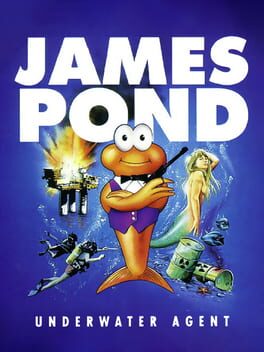
5.1James Pond: Underwater Agent

Kid Gloves
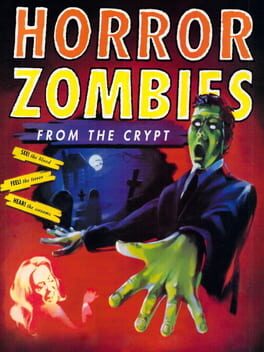
Horror Zombies from the Crypt
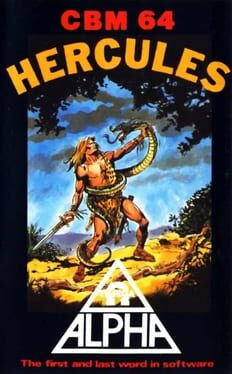
Hercules