PopCap Games
PopCap Games, Inc. is an American video game developer based in Seattle, and a subsidiary of Electronic Arts.[3] The company was founded in 2000 by John Vechey, Brian Fiete and Jason Kapalka.
PopCap Games at a Glance
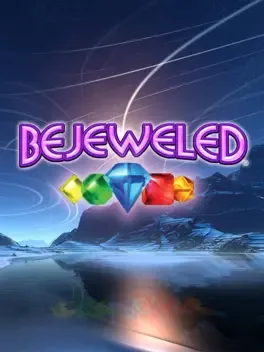
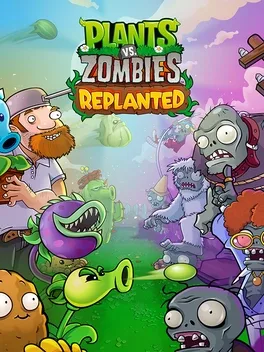
PopCap Games started in 2000 as an independent studio in Seattle before becoming part of Electronic Arts. The company has released 88 titles across PlayPile, acting as both publisher and developer on most of these projects. Their work spans from 2000 through 2025, though the volume of output changed drastically over time. You will find 59 games from the 2000s, but only 23 in the 2010s and just two releases in the 2020s so far. The studio focuses heavily on puzzle games with 51 titles in that genre, followed by strategy with 26 entries. They also made 21 arcade games and 12 adventures. Their catalog reaches many platforms, with PC being the most common home for their work at 72 titles. Mac comes next with 21 games, while mobile platforms like iOS and Android each hold 19 and 13 titles respectively. They have also touched consoles like Xbox 360, PlayStation 3, and newer systems like PlayStation 4 and Xbox One. Quality varies across their long history. The average rating for the 57 rated titles is 69.1 out of 100. Six games scored great ratings above 80, while 45 received good scores between 60 and 79. There are six mixed titles that fell between 40 and 59, but no poor games below 40. Their highest rated works include Bejeweled from 2001 at 83.6, Peggle Nights in 2008 at 84.7, and Plants vs. Zombies from 2009 at 81.7. More recent efforts show a mix of results. Plants vs. Zombies: Replanted released in October 2025 with an 80.1 rating, which is strong. In contrast, Plants vs. Zombies: Battle for Neighborville from 2019 scored only 67.7, and Plants vs. Zombies 3 launched in January 2024 without a listed score yet. The company has produced very little content in the last few years compared to their peak. Their output dropped from nearly 60 games in one decade to just two in the current one. This slowdown suggests a shift in their production schedule or strategy. Fans looking for their classic puzzle titles will find plenty of options, but newer releases are fewer and further between. The data shows they still aim for quality with no failed titles, yet their presence on the market has clearly diminished since the mid-2010s.
Genre Breakdown
Platform Spread
Release Timeline
Rating Distribution
Highest Rated Titles
Latest & Upcoming
 8.0
8.0Plants vs. Zombies: Replanted
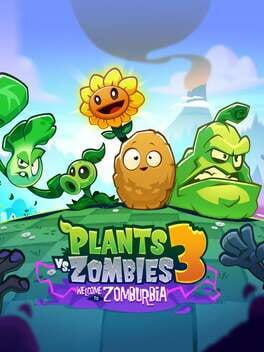
Plants vs. Zombies 3: Welcome to Zomburbia
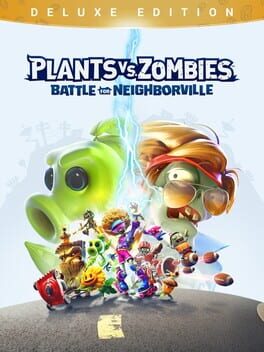
Plants vs. Zombies: Battle for Neighborville - Deluxe Edition
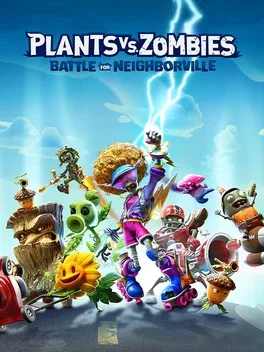
6.8Plants vs. Zombies: Battle for Neighborville
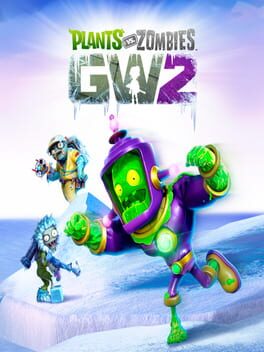
Plants vs Zombies: Garden Warfare 2 - Frosty Deluxe Edition
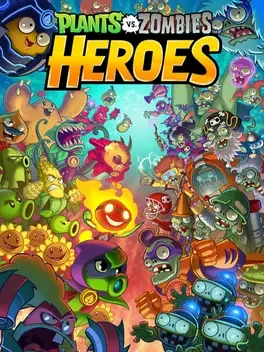 7.7
7.7Plants vs. Zombies: Heroes
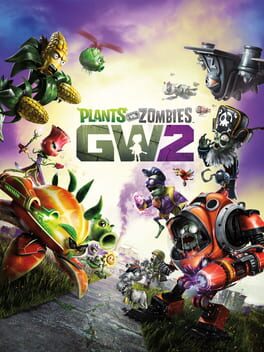 7.8
7.8Plants vs. Zombies: Garden Warfare 2
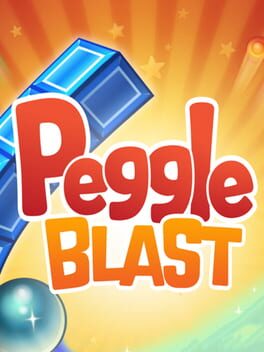 8.0
8.0Peggle Blast
 7.4
7.4Plants vs. Zombies: Garden Warfare
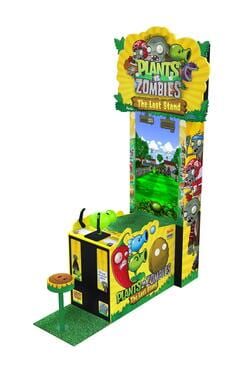
Plants vs. Zombies: The Last Stand
 7.7
7.7Peggle 2
 7.6
7.6Plants vs. Zombies 2: It's About Time
Plants vs. Zombies 2: A Journey Through Time and Space
 5.2
5.2Risk
Plants vs. Zombies Adventures
 4.0
4.0The Game of Life
Plants vs. Zombies: Endless Edition
 6.0
6.0Monopoly
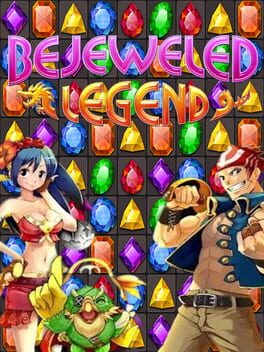
Bejeweled Legend
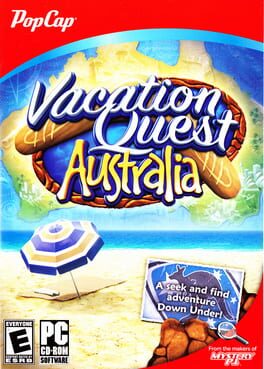
Vacation Quest Australia
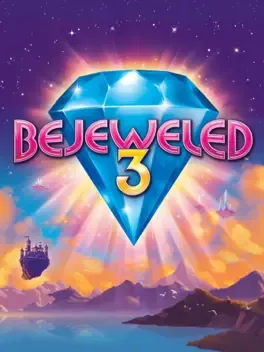 7.7
7.7Bejeweled 3
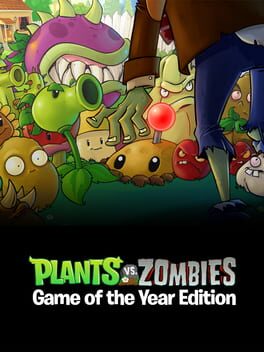 7.9
7.9Plants vs. Zombies: GOTY Edition

Risk: The Official Game
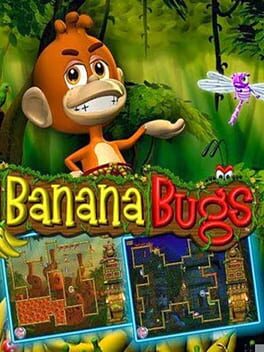
Banana Bugs
 6.2
6.2Bejeweled Blitz
 7.8
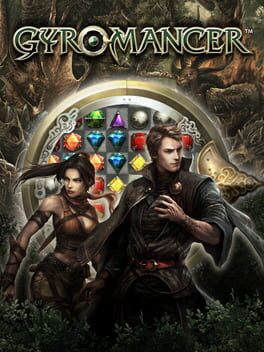
7.8Gyromancer
 7.4
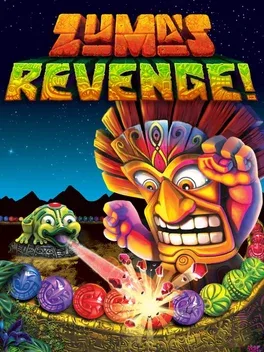
7.4Zuma's Revenge!
 7.0
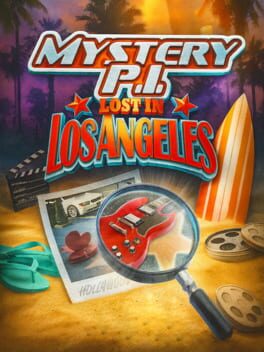
7.0Mystery P.I. - Lost in Los Angeles
 8.0
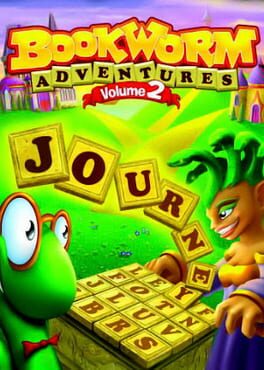
8.0Bookworm Adventures Volume 2
 86
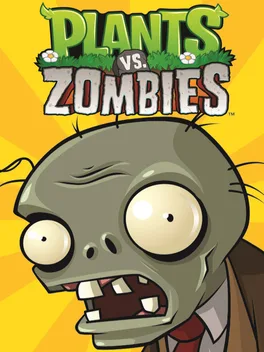
86Plants vs. Zombies
 5.0
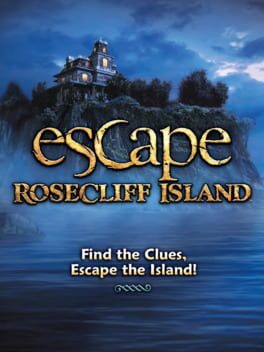
5.0Escape Rosecliff Island
 6.0
6.0Amazing Adventures Around the World
 6.0
6.0Mystery P.I. - The New York Fortune
Mystery P.I. Portrait of a Thief
Chuzzle: Christmas Edition
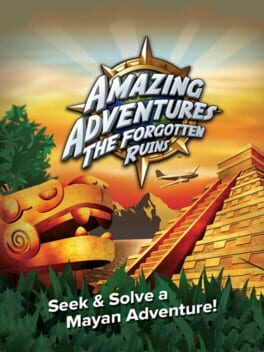
Amazing Adventures: The Forgotten Ruins
 7.9
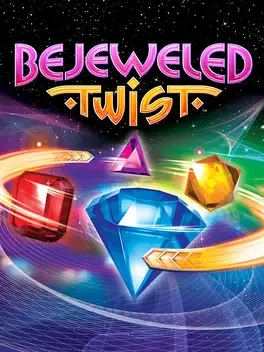
7.9Bejeweled Twist
 7.0
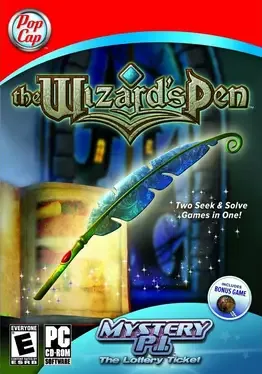
7.0The Wizard's Pen
 76
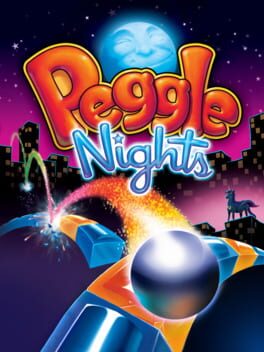
76Peggle Nights

Mystery P.I. - The Vegas Heist
 6.0
6.0Mystery PI: The Vegas Heist
 6.0
6.0Amazing Adventures: The Lost Tomb
 6.3
6.3Peggle Extreme
 6.0
6.0Mystery P.I.: The Lottery Ticket
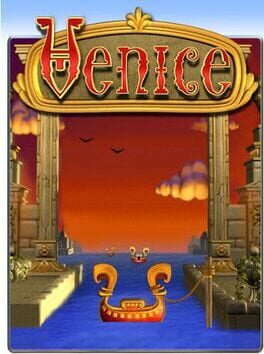 7.0
7.0Venice
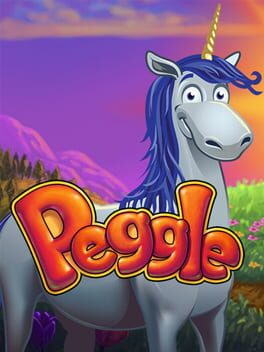 7.8
7.8Peggle Deluxe
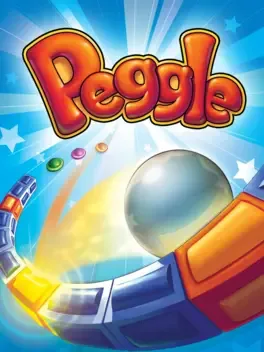 88
88Peggle
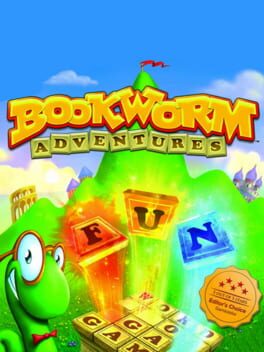 7.5
7.5