Sonic Team
Sonic Team is a video game developer owned by the Japanese video game company Sega as part of its Sega CS Research and Development No. 2 division. Sonic Team is best known for its namesake long-running Sonic the Hedgehog series and games such as Nights into Dreams and Phantasy Star Online. The initial team, formed in 1990, comprised staff from Sega's Consumer Development division, including programmer Yuji Naka, artist Naoto Ohshima, and level designer Hirokazu Yasuhara. The team took the name Sonic Team in 1991 with the release of their first game, Sonic the Hedgehog, for the Sega Genesis. The game was a major success and contributed to millions of Genesis sales. The next Sonic games were developed by Naka and Yasuhara in America at Sega Technical Institute, while Ohshima worked on Sonic CD in Japan. Naka returned to Japan in late 1994 to become the head of CS3, later renamed R&D No. 8. During this time, the division took on the Sonic Team brand but developed games that do not feature Sonic, such as Nights into Dreams (1996) and Burning Rangers (1998). Following the release of Sonic Adventure in 1998, some Sonic Team staff moved to the United States to form Sonic Team USA and develop Sonic Adventure 2 (2001). With Sega's divestiture of its studios into separate companies, R&D No. 8 became SONICTEAM Ltd. in 2000, with Naka as CEO and Sonic Team USA as its subsidiary. Sega's financial troubles led to several major structural changes in the early 2000s; the United Game Artists studio was absorbed by Sonic Team in 2003, and Sonic Team USA became Sega Studios USA in 2004. After Sammy Corporation purchased Sega in 2004, Sonic Team was reincorporated to become Sega's GE1 research and development department. Naka departed during the development of Sonic the Hedgehog (2006), and Sega Studios USA was merged back into Sonic Team in 2008. The following decade was marked by Sonic games of varying reception, with head of studio Takashi Iizuka acknowledging that Sonic Team had prioritized shipping over quality.
Sonic Team at a Glance
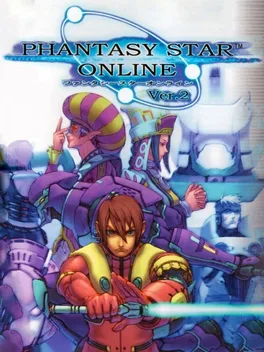
Sonic Team is a Japanese developer founded in 1990 and fully owned by Sega. They have released 96 games as a developer but zero titles solely as a publisher on PlayPile. The company operates across a wide range of platforms, with their largest output appearing on PC Microsoft Windows at 25 titles, followed by Legacy Mobile Devices with 20 releases. Their catalog spans from the Sega Genesis to modern systems like the PlayStation 4 and Nintendo Switch. While they have released games on Xbox One and Xbox 360 as well, their presence on current generation consoles remains consistent with roughly 11 releases each for the PlayStation 4, PlayStation 3, and Nintendo Switch. The studio is most active in the platform genre with 36 games, followed closely by adventure titles at 34. They also have a strong history in puzzle games with 14 entries and have ventured into sport, role-playing, and hack and slash categories. Their output volume shifted significantly over time. The 2000s were their most productive decade with 56 games, compared to just 14 in the 1990s and 15 in the 2010s. Recent years show a slowdown, with only nine releases logged in the 2020s so far. Quality trends for Sonic Team are mixed. Across 54 rated titles, the average IGDB score sits at 69.4 out of 100. The rating breakdown shows 37 good games, but also seven mixed and one poor title. Only nine titles reached the great category with scores over 80. Their highest-rated work includes Phantasy Star Online Ver. 2 from 2001 at 89.8 and Sonic the Hedgehog from 1991 at 83.4. However, recent releases have seen lower reception. Sonic Generations from October 2024 scored 70, and Shadow Generations earned a 71.9 in late 2024. The newest entry, Sonic Rumble, launched in November 2025 with a score of 66.2. The company history reflects internal changes that affected their direction. After the success of their first game in 1991, they expanded into titles without Sonic like Nights into Dreams and Burning Rangers during the mid-1990s. By the early 2000s, structural shifts at Sega led to mergers with other studios like United Game Artists. Head of studio Takashi Iizuka later admitted that the team prioritized shipping products over quality during the last decade. This shift appears reflected in the varying reception of their recent Sonic entries compared to their earlier classics.
Genre Breakdown
Platform Spread
Release Timeline
Rating Distribution
Highest Rated Titles


 6.6
6.6Sonic Rumble
 8.1
8.1Sonic Racing: CrossWorlds

Sonic Racing: CrossWorlds - Digital Deluxe Edition
 7.0
7.0Sonic Generations
 7.2
7.2Shadow Generations
 8.2
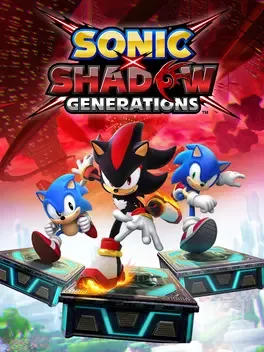
8.2Sonic X Shadow Generations
Sonic x Shadow Generations: Digital Deluxe Edition
 7.4
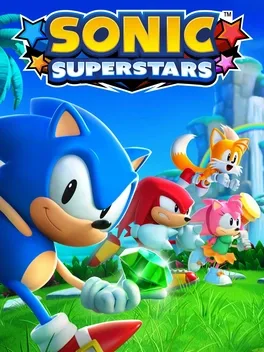
7.4Sonic Superstars

Sonic Frontiers: Sonic’s Birthday Bash
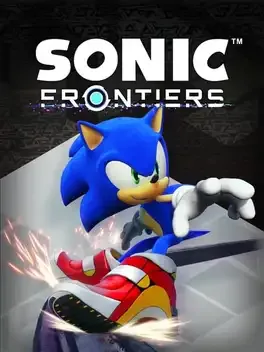
Sonic Frontiers: Sonic Adventure 2 Shoes
 7.2
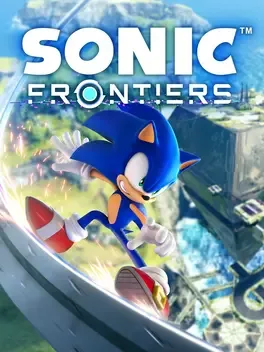
7.2Sonic Frontiers
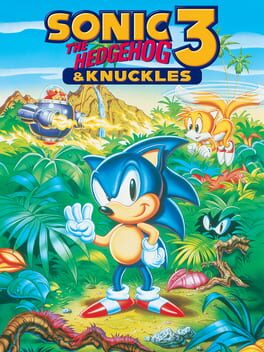
Sonic the Hedgehog 3 & Knuckles
 5.8
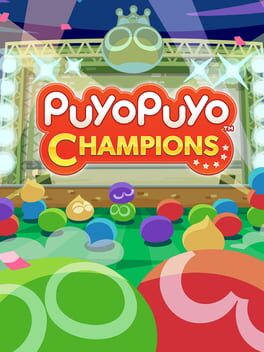
5.8Puyo Puyo Champions
 5.6
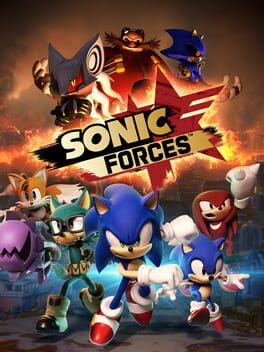
5.6Sonic Forces
Puyo Puyo Chronicle
Puyo Puyo Touch
 6.0
6.0Sonic Runners
 81
81Puyo Puyo Tetris
 5.5
5.5Sonic Lost World
Puyo Puyo!! Quest
Puyo Puyo!! 20th Anniversary: Mini Version
 8.0
8.0Puyo Puyo!! 20th Anniversary
Sonic Generations: White Time and Space 20th Anniversary Set

Sonic Generations: Collector's Edition
 7.6
7.6Sonic Generations
 7.2
7.2Sonic Colors
 4.3
4.3Sonic Free Riders
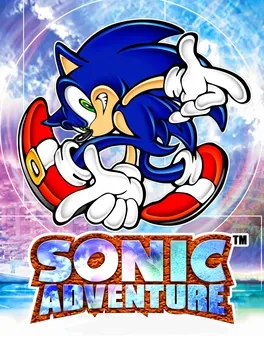 6.3
6.3Sonic Adventure

Puyo Puyo! The Medal Edition
Sonic Putter
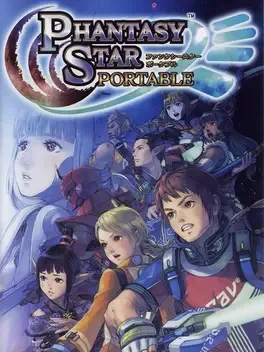 6.7
6.7Phantasy Star Portable
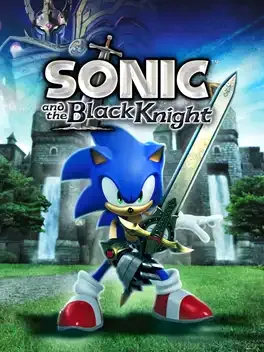 5.8
5.8Sonic and the Black Knight
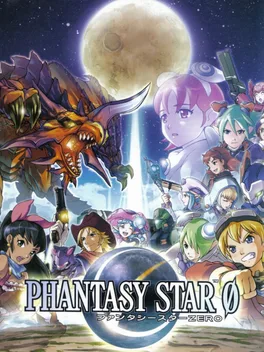 6.4
6.4Phantasy Star 0
 6.2
6.2Sonic Unleashed

Sonic Jump 2
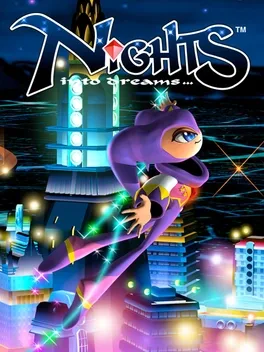 7.5
7.5Nights Into Dreams
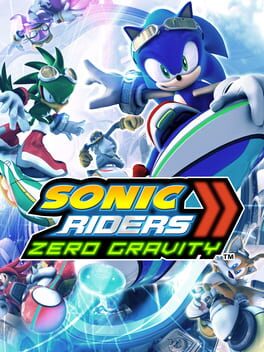 6.1
6.1Sonic Riders: Zero Gravity
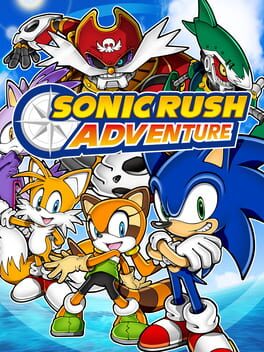 7.5
7.5Sonic Rush Adventure
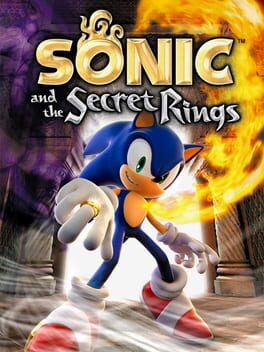 7.1
7.1Sonic and the Secret Rings
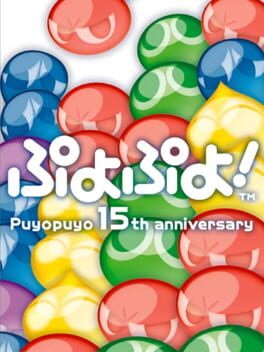 7.5
7.5Puyo Puyo! 15th Anniversary
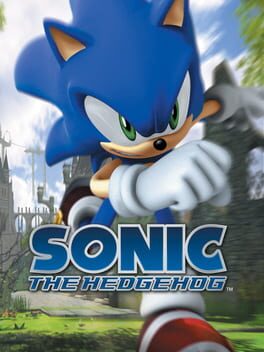 2.8
2.8Sonic the Hedgehog
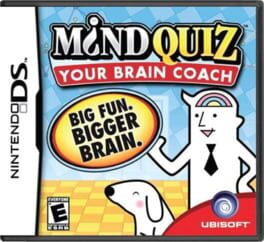
Mind Quiz: Your Brain Coach
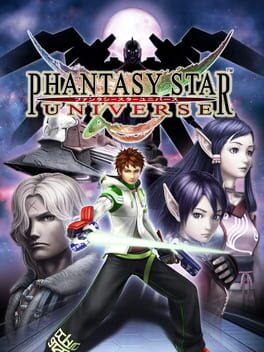 7.2
7.2Phantasy Star Universe
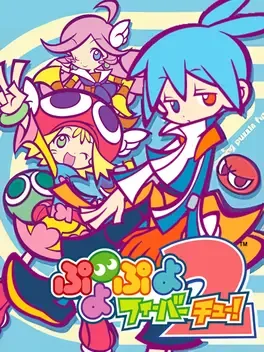 7.4
7.4Puyo Puyo Fever 2
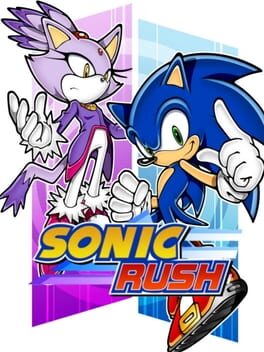 7.6
7.6Sonic Rush
 4.8
4.8Shadow the Hedgehog
 7.3
7.3The Rub Rabbits!